


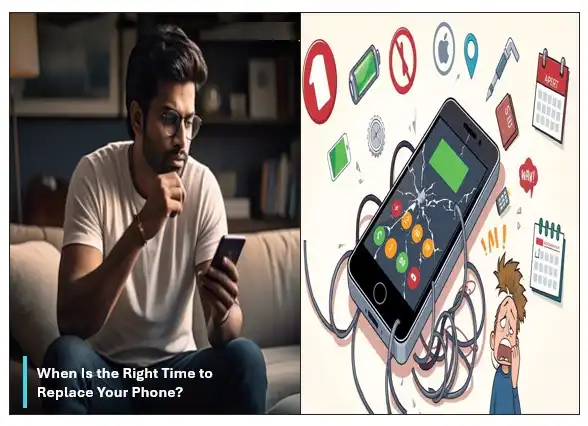
Many smartphone users find it hard to figure out when to get a new one. People often wonder if their current device is still good enough or if it is already out of date because technology changes so quickly and new models are pushed hard. Experts in the field say that age alone shouldn’t be used to make the choice. Instead, speed, software support, battery health, and ease of use should all be considered.
How Long Most Modern Smartphones Last
Most smartphones today, whether they’re an iPhone or an Android, are made to last about two to three years before they start to show signs of wear or stop working with new technologies. This lifespan is about the same as how long software updates and security patches from the makers usually last to keep devices safe and working smoothly.
Experts say phones may still work after this time, but they may have trouble with new apps, system updates, and multitasking. As hardware ages and program needs increase, performance drops become more obvious.
Early Signs That Your Phone Is Old
Analysts say that instead of changing a phone based on its age alone, you should look for these clear signs that it may no longer be meeting your needs
- Slow Job Performance: The processor might be having trouble keeping up if it feels slow and jerky to open apps, scroll through screens, or switch between tasks. Years of software changes can make gear less useful, causing a lag that makes everyday tasks harder.
- Battery Life Is Short: Over time, batteries usually get worse, which shortens the time a phone can be charged and used. Many types let you change the battery, but if you have to charge it all the time, especially within a few hours, that means the device isn’t lasting as long as it used to.
- Few software updates: After a certain number of years, manufacturers often stop making big changes. On iPhones, this usually happens after 5 to 6 years. For many Android phones, it happens after three to four years. If the phone doesn’t get updates, it might not have new features or important security changes after that.
- Problems with how the camera works: As mobile photography keeps improving, older phones may not be able to match the movie and picture quality of newer models. If your device always takes blurry photos, bad pictures in low light, or can’t keep up with new editing apps, it might be time to get a new one.
- Limits on storage: As time goes on, apps, pictures, movies, and system files take up more and more room. When your phone keeps telling you it has “low storage” and you can’t run big apps or updates, this can be a usability problem that can lead to a replacement.
When it’s better to fix something than order a new one
Experts say not all speed problems require a whole new gadget. If you replace the battery, fix the screen, or clean up storage, you can often make your phone last much longer. This method can save you a lot of money if the gadget still gets software patches and works well for most people.
Getting the price and features right
Cost vs. value is often what makes people decide to update. People who are buying new phones should think about whether the new features that come with them, like faster processors, better pictures, 5G connection, or better security, will work with how they normally use their phones. A three-year-old phone can still work well for many people who use their phones only for calls, texts, social media, and light reading.
On the other hand, people who are good with technology, content makers, gamers or workers who need the latest and greatest performance may benefit from faster update cycles.
How the cycle of upgrades is changing
Analysts in the field say that the idea of a annual upgrade cycle is losing its usefulness. The difference between models from one year to the next is not as great as it used to be because major software improvements have stopped improving hardware. As a result, many phone users are keeping their phones for longer, sometimes up to four or five years, as long as they can still meet their daily needs.
Last Words from Experts
Experts say that users shouldn’t just look at how old their phone is; they should also look for real speed and software problems. Even after three years, a device that still works well, gets updates, and meets daily needs might not need to be replaced.
People say that you should get a new phone when it stops doing the things you need it to do, when security updates stop coming, or when power and speed problems make daily use very hard.
