


A senior U.S. trade delegation would visit India next week to negotiate a new set of economic and technology–focused talks, a top government official indicated on Thursday. The visit is likely to rejuvenate the bilateral trade relationship, which has experienced both co-operation and conflict over the last year due to global supply chain disruptions and a shift in geopolitical orientation.
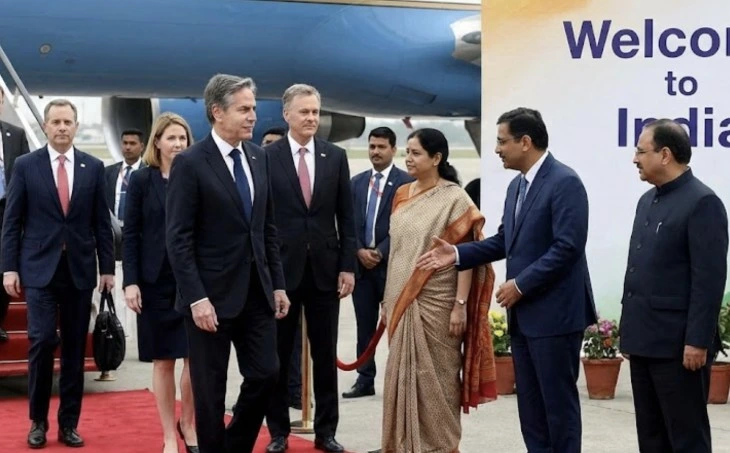
The team is supposed to consist of representatives from the Office of the United States Trade Representative (USTR), the Department of Commerce, and senior advisers on technology partnerships and strategic trade controls.
Talks Expected to Cover Trade Barriers, Tech Cooperation, and Supply Chains
As the source says, the discussions will be based on a wide range of issues such as:
- Cutting of tariff and non-tariff barriers.
- Increased availability of agricultural and manufactured products.
- Ensuring the India- U.S. Initiative on Critical and Emerging Technologies (iCET) is further fortified.
- Cooperation on semiconductor production and export.
- Pharmaceutical, electronic, and clean energy supply chain security.
It is also likely that India will raise issues about U.S. visa delays, high duties on steel and aluminum, and scrutiny of Indian IT services firms operating in the United States.
The officials state that the negotiations are to work on the old-time aggravators and develop new directions of collaboration in the high-tech areas where the governments are gaining strategic interests.
Read also:
- Trump Pushes New Big Beautiful Bill
- India and Netherlands Forge Deeper Ties
- The Existential Reckoning
- Zoho CEO Sridhar Vembu wants India to hire people
Visit Comes Ahead of Crucial Election Cycles
It is also interesting how the visit occurred, considering that the two nations are going through politically sensitive times. As India is preparing to conduct a significant election year, the United States is in the middle of a period of increased domestic criticism of foreign trade policies.
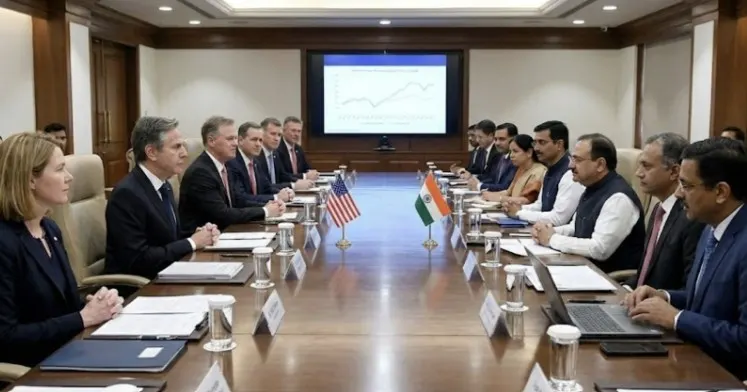
Analysts believe that the talks can assist both parties to show an intention to make diplomatic progress without committing themselves in such a way that can be perceived as politically risky. Nevertheless, the idea of the enhancement of commercial relationships is likely to receive bipartisan support due to the strategic significance of the U.S.–India relations in Indo-Pacific.
Trade Relationship Improving but Still Facing Roadblocks
The United States is the largest trading partner of India, has bilateral trade of over 190 billion dollars last year. Nevertheless, the relationship is still marred by a number of problems.
These include:
- U.S. concerns over India’s data localization rules
- India’s desire for lower tariffs on textiles and engineering goods
- Outstanding disputes at the World Trade Organization
- Differing positions on digital trade regulations
Notwithstanding, both governments have repeatedly reiterated that they will settle the differences through dialogue. The collaboration in defense technology, clean energy, and digital infrastructure has also occurred recently and has contributed to an expanded economic agenda beyond traditional trade issues.
Possible Announcements Expected After the Meetings
Government officials made no confirmations on whether the visit will lead to formal agreements, but indicated that the two parties might declare progress in their areas of:
- Expanding semiconductor partnerships
- Harmonizing standards for electric vehicle components
- New frameworks for cybersecurity and trusted technology supply chains
- Collaboration on investment in critical minerals
India will also insist on increased access to its pharmaceutical exports to the markets, whereas the U.S. will want enhanced intellectual property.
Signals Strengthening Strategic Alignment
Scholars indicate that the probable visit is an emphasis of Washington to further economic integration with India as an extension of the wider Indo-Pacific policy. As the tension in international trade grows and the issues concerning the resilience of the supply chain evolve and demonstrate a growing concern, the alliance can be viewed as win-win.
To India, the trip gives an occasion to demonstrate its emerging status in the world as a manufacturing industry, technology, and defence cooperation, wherein the U.S. has a major stake.
