


Three senior American Congress members presented a bipartisan proposal to cancel the 50 percent tariffs on Indian imports as part of the Trump trade policy. The relocation is an indication of increasing anxiety in Washington that the high tariffs are damaging American businesses, damaging diplomatic relationships with a major strategic partner, and disruption of global supply chains.
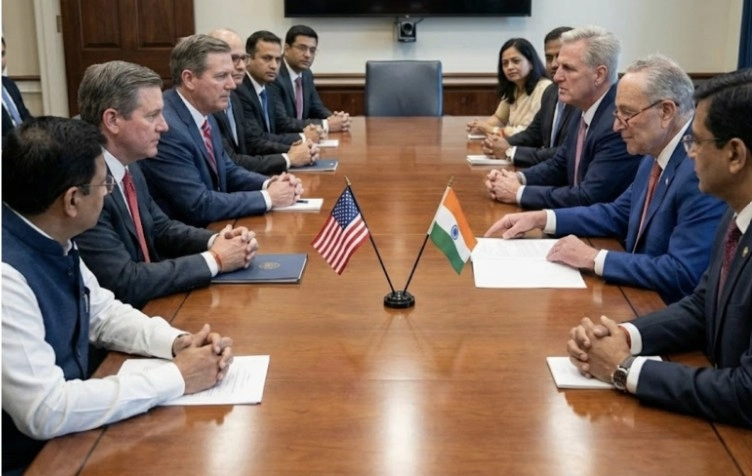
Lawmakers Introduce Measure Targeting Tariff Policy
The members of parliament have officially passed a resolution to the administration to re-examine and lift the punitive tariffs, citing that they were imposed under emergency trade provisions that are not reflective of the current economic reality. They claimed the responsibilities have made it more expensive for U.S manufacturers and consumers, with insignificant protection to the domestic industry.
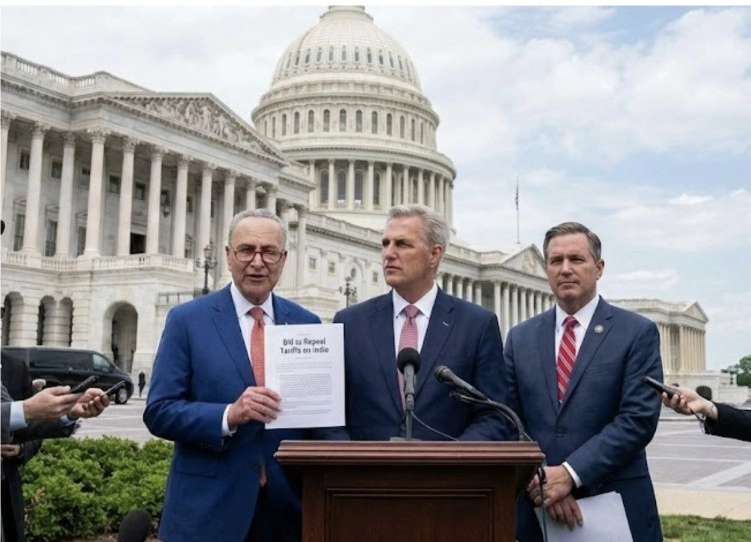
The proposal, according to congressional aides, is going to start debating and mount political pressure on the administration to review tariff policies used during times of increased trade.
Concerns Over Impact on US Businesses
The lawmakers also, in their statements justifying the move have noted the response of American companies that depend on the Indian imports of raw materials, engineering products, pharmaceuticals and technology elements. Some companies and groups have also cautioned that higher duty rates are compelling them to either pass the costs on to customers or outsource to less efficient suppliers.
Industry organisations affirm that India is very important in U.S supply chains especially in areas where there are no substitutes or are costly. They claim that the competitiveness is compromised, not enhanced, by the tariffs at these levels to boost domestic manufacturing.
India-US Strategic Relationship Cited
The legislators also referred to the larger strategic relationship between the United States and India and said that the disagreements on trade must not be used to mar the cooperation on defence, technology and regional security. In Washington, it is considered that India is a key ally in preserving Indo-Pacific stability and decreasing dependence on antagonistic supply chains.
They warned that long-term trade friction would erode trust and make collaboration in other aspects of life beyond commerce, climate efforts and new technologies challenging.
Tariffs Introduced Amid Trade Tensions
The 50 percent tariffs came in the presidency of Trump in an expansive effort to deal with the imbalances in trade and the protection of the home industry. India was one of the many countries that were targeted in this policy, and this prompted the economists to caution that such traditions would raise a strong reaction and upset the trade routes across the world.
Although certain tariffs have been reconsidered or revised, some tariffs on Indian exports still exist and have become the subject of more and more examination by both legislators and business organisations.
What Happens Next
The introduction of the resolution does not imply immediate rollback of the tariffs, yet the fact that the resolution is made is a pointer of increasing political momentum towards change. The issue is to be further looked into by the congressional committees, and there might be hearings with trade officials.
Temporarily, the relocation puts an additional twist to the current debates regarding U.S. trade policy and how it is consistent with long-term economic and diplomatic objectives. New Delhi is keenly following the developments and is likely to maintain the same level of diplomacy as they consider the impacts of exporters.
