


The PlayStation Store, once a curated sanctuary for high-end console gaming, is facing a mid-2025 identity crisis. While the industry is currently reeling from the Clair Obscur: Expedition 33 controversy—a scandal that saw the year’s most beloved RPG stripped of its “Indie Game of the Year” titles—a quieter, more insidious problem is rotting the digital storefront from within: the uncontrollable rise of AI Slop.
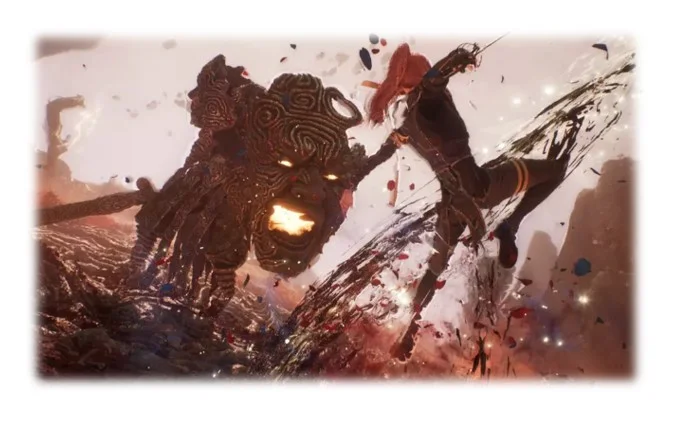
The Expedition 33 “Trial by Fire”
The current outrage was ignited by Sandfall Interactive, the developers of Clair Obscur: Expedition 33. Despite the game being a critical darling and a commercial juggernaut with over 5 million copies sold, it was recently disqualified from the Indie Game Awards. The reason? The discovery of AI-generated placeholder textures—specifically newspaper clippings and background posters—that were accidentally left in the shipping build.
While Sandfall patched the offending assets within five days of launch and maintained that no generative AI exists in the current version of the game, the “zero-tolerance” policy of award bodies has turned Expedition 33 into a sacrificial lamb. This high-profile fallout has shifted the spotlight onto a much larger issue: if a masterpiece can be “tainted” by a few rogue textures, why is the PlayStation Store allowing thousands of games built entirely on AI-generated “trash” to flood its pages?
The Rise of the AI Shovelware
While gamers debate the ethics of a AA studio using AI for placeholders, the “New Releases” tab on the PS5 has become a digital junkyard. Players are reporting an explosion of “AI Slop”—low-effort, asset-flipped games that use AI for everything from their nonsensical scripts to their distorted, “uncanny valley” cover art.
Prominent titles cluttering the store include:
- Generic Simulators: Dozens of “OF Model Simulators” and “Doctor Simulators” that use stolen assets and AI-generated dialogue.
- Meme Cash-Grabs: Variations of the “Tung Tung Tung Sahur” trend, where developers release near-identical versions of the same AI-generated concept.
- Look-alike Scams: Games like Liar’s Pub (a blatant AI-fueled clone of the hit Liar’s Bar) that use misleading, AI-generated screenshots to trick casual buyers.
“It feels like rummaging through a digital junkyard,” noted one viral Reddit post from a frustrated indie developer. “Genuine human-made projects are being buried three pages deep by 800 versions of AI-generated shovelware that Sony refuses to moderate.”
Sony’s Curation Crisis
The irony is not lost on the community. Sony has been aggressive in the past about “cleaning up” trophy-spam games (simple games designed only to give out easy Platinum trophies), yet generative AI has created a loophole. Because these games technically have “content”—even if that content is a hallucinating mess of AI code and art—they bypass current automated filters.
The Battlefield 6 store drama has only added fuel to the fire, with EA facing accusations of selling AI-generated skins and badges. If the industry’s titans and the store’s “New Releases” are both leaning into “slop,” the artisanal quality that once defined the PlayStation brand is under threat.
Read also
The Verdict: A Fractured Future
The Expedition 33 disqualification feels like a “thumb blocking the sun.” By punishing a high-quality game for a minor technicality, award bodies and platforms are missing the forest for the trees. The real enemy isn’t the developer using a tool to fix a texture; it’s the wave of automated, soul-less “slop” that is making the PlayStation Store as difficult to navigate as a spam-filled mobile marketplace
