


Only a few days since Russian President Vladimir Putin ended a much-anticipated two-day state visit to India, New Delhi is already quietly working on the next big diplomatic move, which would involve confirming potential dates of a visit by Ukrainian President Volodymyr Zelenskyy and that could come as early as January 2026.
The sequence highlights how India is still trying to maintain diplomatic ties with both parties in the Russia-Ukraine dispute despite the pressure on New Delhi by the international community to more explicitly contribute towards peace processes.
Balancing Act After Putin’s High-Profile Visit
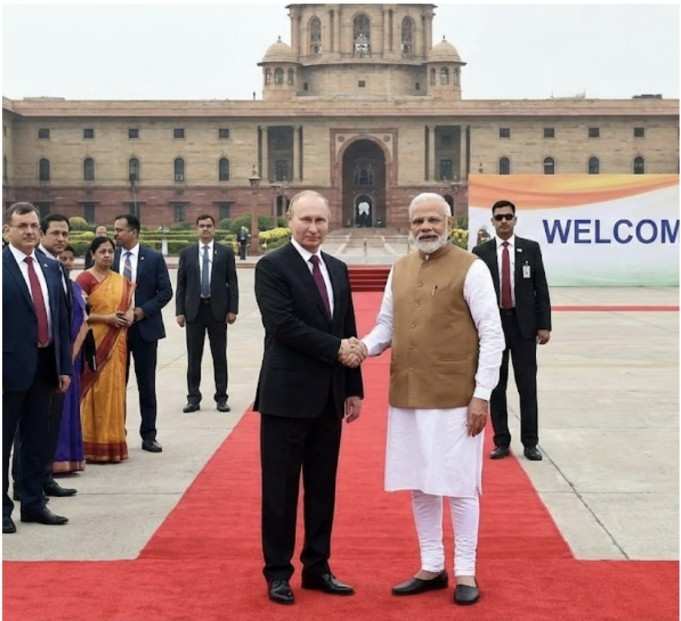
Putin was accorded the maximum state protocol during the visit to Delhi on December 5 and received meetings at Hyderabad House and was hosted at Rashtrapati Bhavan. Off the record, however, authorities had already begun to talk about a trip to Zelenskyy, as part of an Indian balanced strategy since the war broke out in February 2022.
Indian officials claimed that planning for the Ukrainian President’s visit began weeks ago, with discussions between Indian diplomats and the Zelenskyy office, even before Putin’s arrival in India.
The timing of the visit, though, will still be pegged to a variety of political and security considerations, such as what is happening on the battlefield and the various diplomatic peace plans advanced by the previous US President Donald Trump.
Delhi Engages Both Sides Amid Global Scrutiny
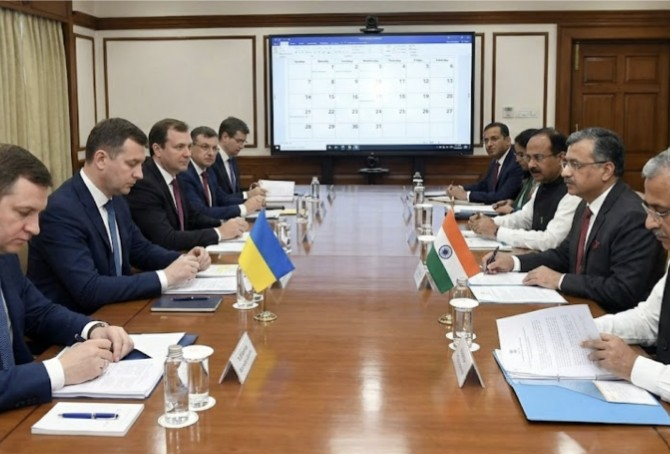
The Indian stand has been emphasized a number of times: even though it has not directly criticized Moscow, New Delhi has demanded negotiations and volunteered to act as an intermediary towards peace.
Prime Minister Narendra Modi has already made eight phone calls to Zelenskyy, and they have met four times since the war broke out. Modi visited Moscow in July and, in August, travelled to Kyiv, which symbolically appears to be repeating itself.
This means that the Ukrainian president’s visit in 2026 will be diplomatically important, as the country has made only three visits to India in the past 30 years: 1992, 2002, and 2012.
Europe Watches Closely
European governments closely monitored Putin during their visit. Some Western representatives in Delhi urged India to leverage its ancient relationship with Russia in order to facilitate negotiations, although India reaffirmed that it is not neutral but on the side of peace.
Modi reiterated that during the visit by Putin, stating that India is willing to make a contribution towards a solution, and with spiritual messages based on Buddha and Mahatma Gandhi.
What passed unstated is that neither Modi nor Putin ever spoke of war in their official statements, but of the situation as a crisis; a stylistic device that according to analysts, is intended to leave room in the atmosphere to both a diplomatic and a business relationship.
Read also
Ukraine’s Domestic Politics Add Complexity
The government of Zelenskyy is now facing pressure over a corruption scandal in Kyiv. New Delhi was reported to have been in touch with Andriy Yermak, a powerful chief of staff of Zelenskyy, who resigned. India is in the meantime making efforts to re-establish diplomatic contact with the new officials in his office, prior to the visit dates being hardened.
The character of the visit, whether it will be a bilateral agenda visit or a broader utterance about peace effort, will be partly determined by the domestic political stability of Ukraine in the coming few weeks.
Next Steps
Authorities indicate that talks with Kyiv are still ongoing, and Delhi is hoping to get a better picture by the end of the year. Providing the timing, Zelenskyy might visit India at the beginning of 2026 a unique occasion when the leaders of the two warring countries are hosted by India within weeks of the first one.
To date, India still finds itself walking a delicate path between Moscow and Kyiv – both an element of diplomatic imperative, and indeed a calculation of strategic value – as the world observes how Delhi balances influence, energy pressure, and geopolitical risk in the coming months.
