


In a textbook example of strategic depth, Prime Minister Narendra Modi has embarked on a four-day three-nation trip that will take him first to Jordan and then to Palestine, Iran and Oman. It’s more than a feel-good exercise; it is a calculated, plotted course towards a diplomatic mission to that cement India’s place along the strategic nodes of West Asia and Africa. Stitching together countries that India has “age-old civilizational ties” with, the visit is designed to translate historical connections into strong 21st-century relationships based on trade, security and a united vision of the Global South.
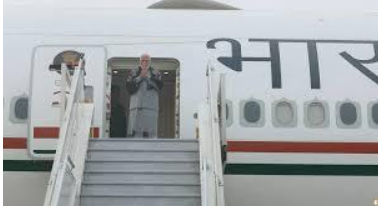
The itinerary itself is a message, connecting an ancient West Asian kingdom, a key African Union headquarters and a strategic partner in the Gulf. This emphasis brings out the essence of India’s multi-faceted engagement and demonstrates that Indian foreign policy is neither one-dimensional nor reactive but rather constitutes a structured attempt to cross continents.
The Hashemite Bridge, Celebrating 75 Years with Jordan
The Hashemite Kingdom of Jordan is the first stop on this tour, a visit which is farther away because of an important reason – it coincides with that country’s 75th anniversary as a diplomatic partner of India. This context turns the talks with King Abdullah II ibn Al Hussein and Prime Minister Jafar Hassan from procedural steps into a historical review of an entire relationship.
Jordan is an oasis of stability in a turbulent region and India views it as an important partner in promoting peace and stability in the region’. From an economic standpoint, the talks are likely to work stand out over India being Jordan’s third largest trading partner, with much of the attention on vital commodities such as phosphates and potash – both critical components for India’s agriculture sector. On a non-business note, PM Modi is to engage with the thriving Indian community, establishing them as a living bridge between the two countries forging the relationship intimate and intense.
The Africa Trip: India’s Engagement with Ethiopia and the Global South
The second leg shall be to Adis Ababa, Ethiopia; the Prime Minister’s first visit to the Federal Democratic Republic of Ethiopia. This stop is symbolic and strategic as Addis Ababa is the seat of the African Union (AU).
On the back of the easing fear that the AU’s permanent membership to the G20 has been dealt a blow during India’s presidency, this visit is a strong reiteration of India’s resolve in driving forward with the agenda of Africa. During his visit, Modi will have extensive talks with Ethiopian Prime Minister Abiy Ahmed Ali and also deliver an address to the joint session of Ethiopian parliament. This speech would give the opportunity for India to speak about its experience as a “Mother of Democracy” and highlight the channelled advantage that the India-Ethiopia collaboration offers to Global South – alliances promulgated on sustainable development goals, capacity building and shared technological progress.
The Lighthouse: Oman Relations on the Rise
And the last stage of the trip is perhaps the most strategically important: Oman’s Sultanate. It demonstrates the celebration of 70 years diplomatic relations and follows a State visit to India by the Sultan in 2023, offering a strong momentum in high level engagement.
Oman is one of India’s oldest and closest strategic partners in the Gulf. The talks with Sultan Haitham bin Tarik will cover all aspects of the landmark Strategic Partnership, especially defence cooperation, energy security and trade ties. Prospects for a Free Trade Agreement (FTA) to be concluded are one of the most significant objectives in order to underpin what is already a strong commercial and economic relationship. Moreover, the engagement with the large Indian community in Oman – who form a bed-rock of Sultanate’s thriving economy – serves as a reminder of the robust people-to-people dynamic that underpins the formal bilateral relations.
This three-nation trip is a strong indicator that India has been working actively to consolidate its relations across crucial geopolitical blocks; this is being done to ensure economic progress, military strength and diplomatic leverage in what has become an extremely volatile world.
