


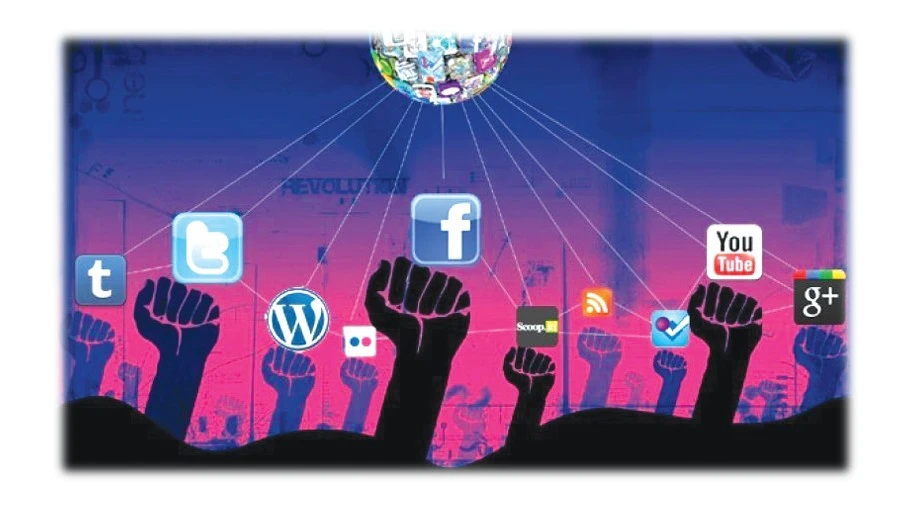
The rise of the digital era has brought about a tremendous change in the world of activism. What was once restricted to physical protests, print pamphlets, and social interactions now occurs in the digital world. The new form of digital activism today willfully utilizes technology and digital resources for creating awareness and inspiring action through social networking sites. Despite its own set of problems, digital activism today represents one of the most effective forces for positive change in the world of the 21st century.
Power of digital activism in contemporary society
Accessibility is at the core of digital or online activism. Social media networks like X (formerly Twitter), Instagram, TikTok, or Facebook give anyone access to join world-wide discussions instantly, no matter where they are located. One can reach several million people in a matter of hours through social networks. With #BlackLivesMatter, #MeToo, or #ClimateStrike, these social movements spread globally to a certain extent only due to social networks, which gave voice to marginalized communities to an unprecedented extent. By making social movements more accessible, digital networks make social movements easier to join, even for those who are unable to physically join due to reasons such as distance or lack of accessibility.
Another important strength in digital activism is speed. Online, information spreads fast, and activists can immediately respond to social injustices, political decisions, or humanitarian crises. Live events, viral videos, and instant updates flash out issues that might otherwise be ignored by traditional media. Such immediacy builds quick public pressure that can force quicker responses by governments, corporations, and institutions than ever before. More often than one would imagine, online outrage has ensured policy reviews, public apologies, or corporate accountability within days.
Digital activism is also superlative at storytelling. In using visual information like short videos, infographics, and personal stories, this humanizes complex issues and provides an emotional punch. Platforms such as TikTok and Instagram have become a force for educating audiences with pithy and relatable content. Personal stories told online have the ability to encourage empathy, shift public opinion, and dispel misinformation. They frame the issue through lived experiences other than abstract statistics, thus creating deeper emotional connections among those it will inspire into action.
The Digital Double-Edged Sword: From Likes to Anxiety in Children’s Minds
Revolutionizing the online platforms
In addition, the internet has greatly impacted the realm of organizing and fundraising. Petition sites, fundraising sites, and secure messaging applications mean that activists can organize their efforts effectively. Campaigns that would otherwise require fundraising efforts that span a span of months can achieve their objective within hours. Such online services ensure that grassroots movements are able to organize on a shoestring budget and at the same time have a worldwide reach. Data analysis is also enabled.
However, digital activism has been criticized too. Critics of digital activism quickly point out that social engagement on the internet can be shallow and involve actions such as liking a post without necessarily doing the actual work required to fix a certain issue. Spreading misinformation on the internet, cyberbullying, and the development of echo chambers on the internet are some of the problems associated with digital activism. Additionally, some authoritarian regimes use digital surveillance to censor dissent on the internet.

Furthermore, the internet has had a big impact on organizing and fundraising. The existence of petition sites, fundraising sites, and secure messaging applications ensures that activists can organize their efforts remarkably well. Campaigns that hitherto required fundraising efforts running up to months are able to get their target in an hour or two. In addition, these online services ensure grassroots movements on a shoestring budget have a worldwide reach. Data analysis is also enabled.
However, there is also some criticism against digital activism. Critics of digital activism quickly point to the superficiality of such internet social engagement through liking a post without the actual application of effort that may be required for fixing a certain issue. Misinformation on the internet, cyberbullying, and the development of echo chambers on the internet are some problems associated with digitalactivism. Besides this, some authoritarian regimes use digital surveillance to censor dissent on the internet.
Screen Smart: Lessening the Effects of Digital Addiction on Young Minds
Bottom line
Furthermore, the internet has had a big impact on organizing and fundraising. The existence of petition sites, fundraising sites, and secure messaging applications ensures that activists can organize their efforts remarkably well. Campaigns that hitherto required fundraising efforts running up to months are able to get their target in an hour or two. In addition, these online services ensure grassroots movements on a shoestring budget have a worldwide reach. Data analysis is also enabled.
However, there is also some criticism against digital activism. Critics of digital activism quickly point to the superficiality of such internet social engagement through liking a post without the actual application of effort that may be required for fixing a certain issue. Misinformation on the internet, cyberbullying, and the development of echo chambers on the internet are some problems associated with digitalactivism. Besides this, some authoritarian regimes use digital surveillance to censor dissent on the internet.
