


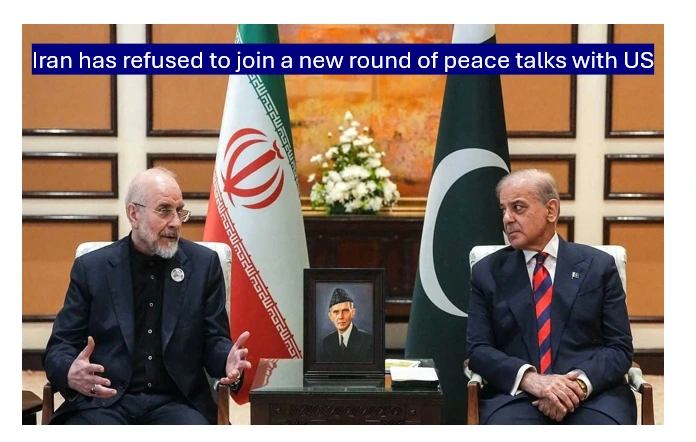
The Islamic Republic of Iran has turned down an invitation to participate in talks that may have occurred April 24-26 in Pakistan in an effort at finding a peaceful resolution to the ongoing violence in the region.
Tehran Refuses Second Round of Negotiations
This decision comes at a time when there is an escalating amount of tension between the two nations and close to no hope for the current cease-fire on fighting that is near its expiration; therefore, if there will not be a second round of peace talks soon. In addition, the Iranian state-run media has clearly stated that there are “no plans” for further conversations until these conditions are resolved. This is in contradiction with U.S. media’s previous statements which indicated that the possibility of peace talks was still being considered.
This decision to turn down peace negotiations represents another serious setback for U.S. diplomatic efforts in the region and all countries involved. Only recently, Pakistan has made attempts to assert its role as a mediating influence in resolving differences between both nations.
Reasons Behind Iran’s Rejection
Iran has given multiple reasons for having ceased participating in future negotiations. They feel the United States made “unreasonable demands” throughout prior negotiations. They also state there have been several discrepancies between the positions of the United States and Iran during previous negotiations.
The United States is responsible for setting up a naval blockade against Iran, which is also a violation of the ceasefire agreement. Officials in Iran state there is no way for any substantive conversation to take place until the blockade is lifted; therefore, they will not be able to exchange thoughts, ideas or opinions about anything until the blockade is removed.
Iran has been very clear in its complete rejection of any proposals or requests made by the United States relating to its nuclear and missile programs. Iran maintains that it will not change its self-defense policy, including any means of protecting itself. This includes both nuclear and missile means of defending itself from aggressors.
Read also: India postpones global steel conference: Highlights impact on industries
Triggering Events Escalating Tensions
The U.S.-Iranian relationship has been further strained by the American seizure of an Iranian cargo ship in the Strait of Hormuz, claiming that the ship was in breach of the blockade; the Iranians condemned this act as “armed piracy,” threatening retaliation.
The United States has added to Iran’s mistrust by failing to respect the current ceasefire agreement, which was intended to provide both sides a chance to discuss obtaining a peaceful settlement. The ceasefire agreement is scheduled to expire soon, and both parties have accused the other of violating the agreement.
Furthermore, in addition to deteriorating relations between the United States and Iran due to U.S. actions, there is also a growing risk that returns to an escalated armed conflict due to Iran’s intermittent closing of the Strait of Hormuz, one of the world’s most crucial oil shipping routes. U.S. authorities have issued threats against Iran in response to its actions, and have claimed that if the Iranian government doesn’t comply with U.S. demands, Iran will face severe repercussions.
The Standoff’s Global and Regional Effects
In reality, the standoff has enormous consequences for the world. The Strait of Hormuz transports much of the world’s crude oil, and any disruption in oil shipments through the strait would significantly increase the price of oil and create financial instability throughout the world.
The conflict over this section of the Middle East and surrounding region has generated greater instability (e.g., increased deaths, displacement) around the globe because a state’s refusal to engage with another state diplomatically has created an unpredictable, potentially dangerous, future (e.g., Pakistan).
Read also: Iran wrote “Thank You India” on some missiles before launching attack on Israel
A Cloudy Diplomatic Outlook for Iran and the United States
Given their total commitment to their positions, it is unlikely that either side will reach a diplomatic resolution to this issue. Iranian officials have publicly recognized that there are “no bright prospects” for productive discussions between the U.S. and Iran at this time.
The United States of America is working hard for continued diplomacy with Iran, and at the same time, taking additional steps, if necessary, should diplomacy be unsuccessful. With an increased distance between the United States and Iran, and no alternative diplomatic approach in the future, the likelihood of escalating tensions between the two nations is possible.
Bottom line
The conclusion of this situation can be summarized by noting that due to the continued lack of diplomatic talk from Iran in Pakistan, the historic mistrust and un-resolvable differences that have existed between Tehran and Washington have sustained only increased levels of hostility. As a result of this escalating hostility, the Military level of tension between the two nations continues to worsen each day and the possibility of a complete breakdown in diplomatic relations is increasing substantially and therefore create serious threats to peace in the region and to the global economy.
