


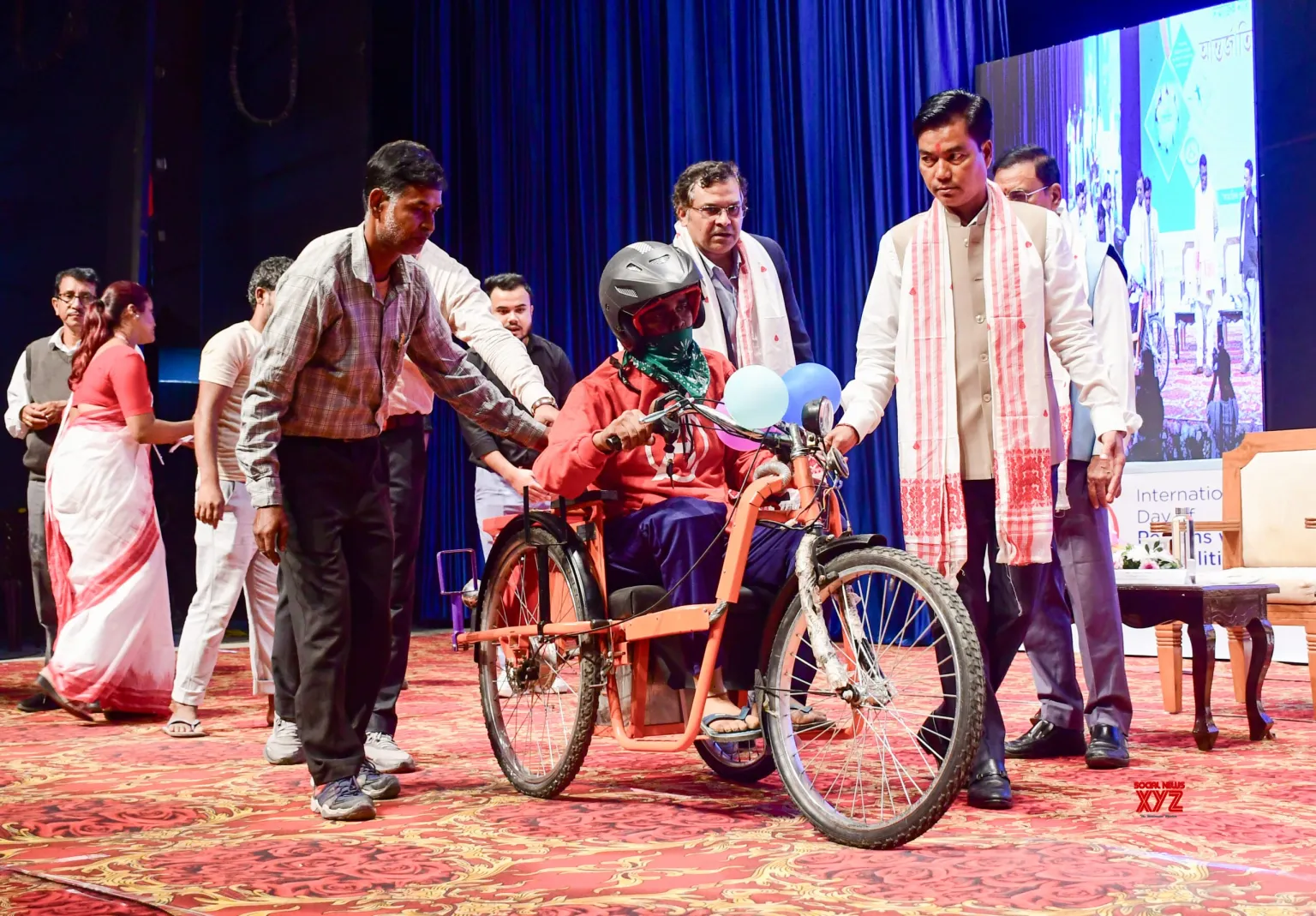
An Enabling opportunity for differently-abled community at Ghy (FTP) Guwahati: Guwahati city is now getting wheels to empower differently-abled, as part of smart mobility initiative and inclusive campaign through distribution of battery operated Cycle by philanthropist in a gala event where cutting across political divide from Mayor to local MLA, elders to activists were present – never have been seen here. The project is part of an increasing movement in Assam to increase accessibility and empowerment for individuals with disabilities.
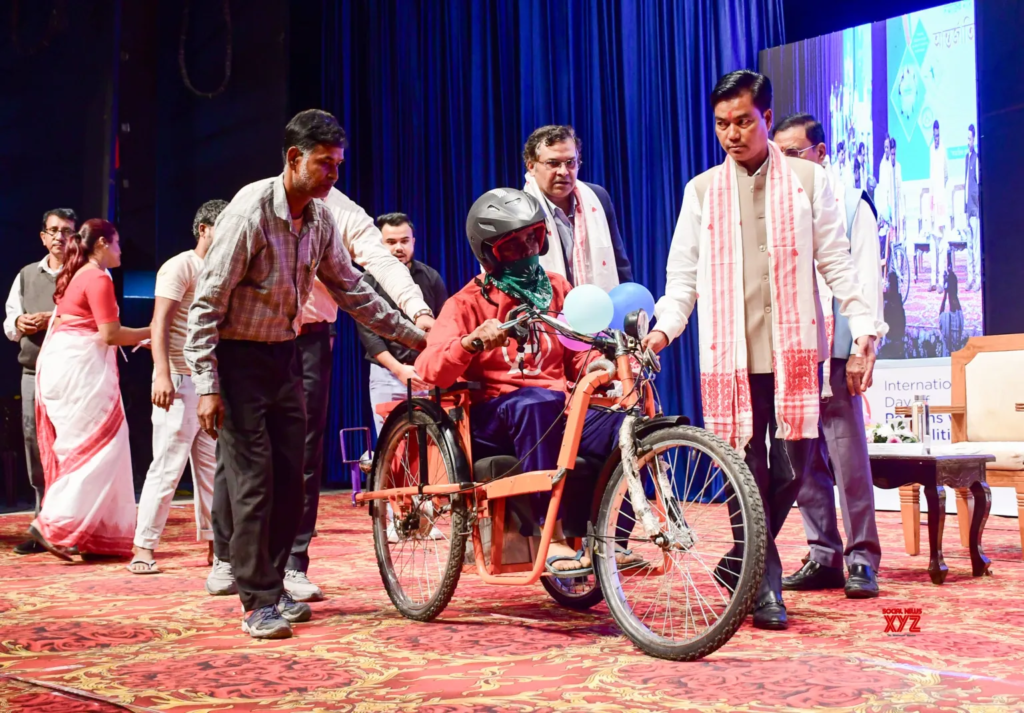
Ceremony and Distribution
The ceremony was held at a hall in the city where awardees were presented bicycles officially along with some dignitaries. Municipal officials highlighted the critical role that mobility plays in helping people engage more fully in daily functions related to life activities, education, employment and participation in society. The distribution of battery-powered cycles is part of a wider endeavour by the government to introduce technology into the support schemes for differently-abled people.
You may alslo like this:
- What’s New in the Gemini 3 Nano Banana Pro Release?
- Apple Faces Legal Action in the US
- How to Download Your Ration Card Online with
- Sanchar Saathi App No Longer Mandatory for All Smartphones
Features of Battery-Powered Cycles
Battery powered cycles are designed to allow a user manual pedaling and electric assist, making them ideal for those who have limited physical capabilities or weaker body condition. The bikes that were handed out in Guwahati have a lightweight frame with adjustable seat and are easy to manouevre for recipients on roads, parks and public places. Recipients responded with “They’re excited, they’re grateful and those cycles represent freedom and independence that really were not available to them because of mobility,” she said.
Officials underscored that mobility aids, including battery operated cycles, not only help in movement but also add to mental and emotional well being. (We all need to be able to reclaim our lives) Independence can increase the confidence and self worth of individuals, diminish their dependence on care providers and contributes towards enhancing their sense of empowerment. Local leaders also observed that such initiatives create awareness regarding the significance of inclusive urban planning and infrastructure to realise diverse needs.
The Guwahati model is in consonance with the national policies advocating assistive technology for people with disability. The government has also been spending more to foster innovations for accessibility such as electric mobility devices, wheelchairs, prosthetics and rehabilitation equipment. The proposed measures aim to make it possible for individuals with various disabilities to live a life fully and take part in social, educational and economic spheres.
The people who the bicycles were given to passed on personal testimonials about what it is like for them moving through public space. Numerous reported the struggle of going to schools, work or clinics due to lack of physical movement and poor public transportation. They travel better on battery operated cycles in a convenient and economical manner to reach from one place to other. Local organizations have hailed the effort as filling a pressing need in the community.
The distribution was complemented by guidance sessions on the use and care of the cycles to ensure recipients make good use of them. Volunteers helped participants to set the seat height, control mechanisms and the battery management process. They also stressed the need for continued support, maintenance and community involvement to ensure long-term success.
Urban planners and advocates for the disabled have pointed out that programs like this can shape a society’s larger attitudes toward people with disabilities. Offering mobility assistance with dignity, in the public eye, speaks volumes about inclusion and equality. It promotes an understanding of disability as a feature that individuals with disabilities have rather than an identity and helps communities to embrace the skills and abilities of all people, regardless of their disabilities.
Conclusion
In summary, the emergence of battery-operated cycles in Guwahati has initiated a significant effort to enhance mobility, independence and social participation for PWD. The initiative’s approach combines technology, government backing, and the power of community to solve real-world problems and build a culture that better welcomes everyone. Recipients, officials and advocates are all hoping that others like it will be scaled so that every citizen has a chance to travel how they choose, engage in society and live with dignity.
