


In Ayodhya, a bronze statue of Queen Heo Hwang-ok, a famous figure in Korean history thought to have come from India, was recently unveiled. India and South Korea have a cultural link that goes back almost 2,000 years that has been brought to light by the event. Korean legend says that Queen Heo Hwang-ok was born as Suriratna, an Indian princess who crossed the sea to marry a Korean king.
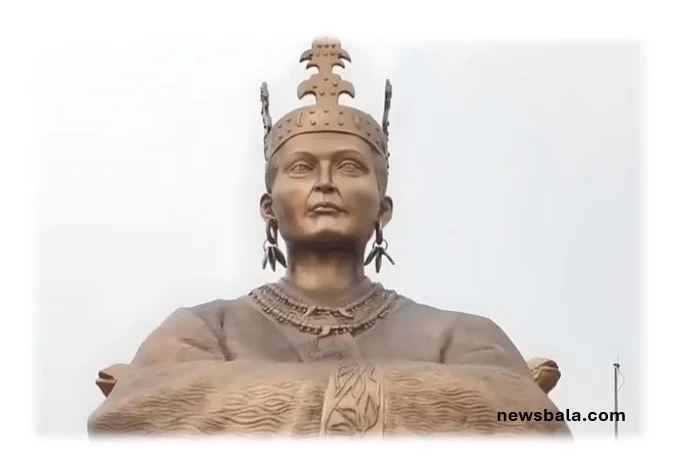
There were officials and cultural representatives at the opening event, which shows that people from both countries are becoming more interested in their shared history. India and Korea have a lot of history, tradition, and friendship that the figure now stands for.
This is the story of Princess Suriratna
Korean tales say that Queen Heo Hwang-ok was born in India as Princess Suriratna. Korean historical texts say that she left her home country around 48 AD after receiving a sign from God to marry King Kim Suro, who founded the Gaya Kingdom in what is now South Korea.
She is said to have taken a long sea voyage and then married King Kim Suro to become queen. They may have had several children together, and some of those children went on to start important Korean houses. Many Koreans today think they have ancestors who were part of this royal family.
Indian historical records don’t mention Princess Suriratna by name, but her story has been told and honored in Korea for hundreds of years. The story is still a big part of how Koreans understand their country’s early past.
A Sign of the Cultural Link Between India and Korea
It is thought that putting the figure in Ayodhya is a strong memory of India and South Korea’s long cultural relationship. Ayodhya is thought to be where Princess Suriratna was born, which makes it a fitting place for the monument.
Many Koreans see Ayodhya as the land of their ancestors, and trips to the city are often seen as cultural pilgrimages. The figure brings people from both countries closer together through history and feeling, and it shows how old stories can unite them in the present.
The figure was described by officials as a monument to shared ideals and respect for each other. The project is also aligned with broader efforts to improve cultural exchange and personal ties between Indians and South Koreans.
Cultural tourism in Ayodhya gets a boost
When the figure is unveiled, it will likely add something new to Ayodhya’s cultural scene. Ayodhya is already known as an important spiritual and historical city. Now, people interested in international history and old global links may come to visit.
South Korean tourists are especially interested in going to Ayodhya because of its connection to Queen Heo Hwang-ok. The figure might lead to more cultural contacts, academic study and actions linked to tourists between the two countries.
The government in the area thinks that the statue will be a symbol that will attract historical tourists and teach them about less well-known parts of history.
Read also
Putting together legends and modern diplomacy
Historians say that the story of Queen Heo Hwang-ok is a mix of myth and custom, but that doesn’t change the fact that it is an important part of Korean culture. The story has affected many generations and continues to have symbolic significance for the relationship between India and Korea.
It’s important to remember that cultural ties don’t always have to be written down. Telling stories, having views, and respecting each other can bring people from different countries together, even after thousands of years.
By recognizing Queen Heo Hwang-ok in Ayodhya, both countries acknowledge a shared history and work to improve future cultural understanding.
