


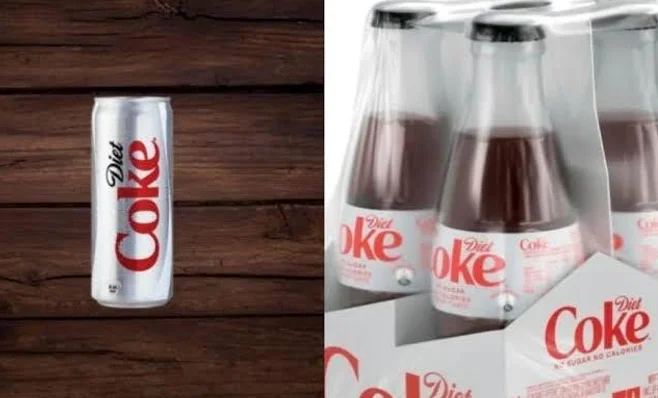
After a protracted period of being unavailable, Diet Coke has recently made its way back onto store shelves and quick-delivery platforms throughout Indian cities, but in an unusual new format — glass bottles. Controversies have arisen regarding this return, since the new glass bottle version of Diet Coke has over three times higher price than the previous aluminium can version.
Reasons for Diet Coke’s Disappearance From India
The Diet Coke shortage began in late April, when supply issues with aluminium cans disrupted the import and availability of cans for packaging. Since most Diet Coca-Cola sold in India was sold in cans, the disruption in shipping due to the disruption in cans affected Diet Coca-Cola significantly more than other soft-drink competitors who used plastic or glass packaging. Further reports confirmed significant delays in shipping from Gulf countries, likely due to the ongoing geopolitical situations developing within the countries of West-Asia.
The Diet coke shortage quickly became a trending topic of discussion on a variety of social media outlets including memes, hoarding jokes and complaints about the unavailability of cans at Grocery Stores and Delivery Apps primarily among Gen Z and Urban Professionals who regard Diet Coke as an essential part of their daily routine.
Coca-Cola’s New Glass Bottle Strategy
To address the crisis, the Coca-Cola Company has introduced Diet Coke in returnable glass bottles in select regions of India. The bottles have begun to appear in cities like Delhi, Gurugram and Chandigarh. Industry observers view this move as tactical based on the aluminium shortage and capitalising on the existing glass bottling infrastructure in India.
Unlike imported aluminium cans, glass bottles can be collected and cleaned locally, which reduces reliance on increasingly volatile raw material supply chains. Packaging experts believe that this closed-loop system may help Coca-Cola continue to have product availability during the current disruption.
The price shock of the new glass Diet Coke has created a lot of buzz among consumers, with the leading topic being price. According to a list posted on the quick-commerce platform Blinkit, a 200 ml glass bottle of Diet Coke costs Rs. 100, compared to approximately Rs. 30 for a 200 ml can prior. The price of a pack of six bottles was listed at Rs. 600 (prior to sale discounts taking the price to as low as Rs. 480).
The price increase means that consumers are paying to consume over 200% more for the same volume of beverage. Consumers are calling the new glass Diet Coke “luxury Diet Coke” on social media, while others feel the nostalgia factor and premium glass packaging justify the price.
Read also: Afternoon Kokum Boost- Can This Traditional Drink Calm Acidity and Bloating
Diet Coke Parties Turn Scarcity Into Trend
An interesting side effect of this shortage is that it has created a new trend in the bars and cafes throughout Delhi and Mumbai. These places have been holding ’ Diet Coke parties’ wherein the attendees can expect themed cocktails, merchandise related to the drink, and games and giveaways based on Diet Coke. Some of these parties had entry fees equal to the prices of a number of cans of Diet Coke.
According to marketing experts, due to the scarcity of Diet Coke, urban youth have begun to group together forming a ” cult” drink among themselves which has made Diet Coke’ s exclusivity very appealing to its users. The recent relaunching of Diet Coke in glass bottles has only increased the amount of activity happening on the internet with viral videos and influencer postings receiving millions of views.
