


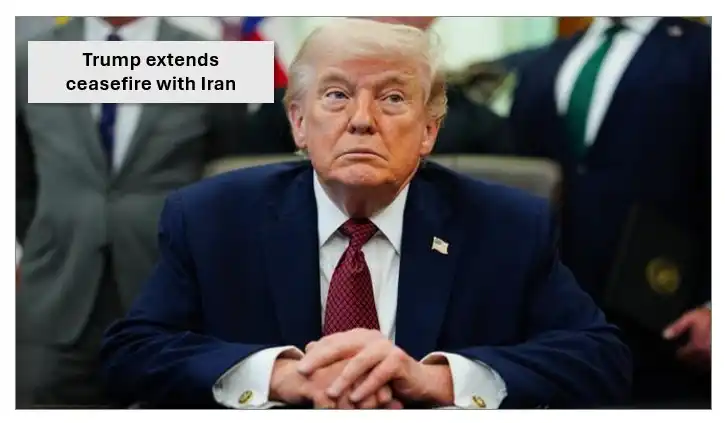
The announcement of an extension to the ongoing ceasefire with Iran is a significant change for the Trump Administration, which had previously indicated it would not extend the cessation of hostilities beyond the expiration date. The renewed commitment by both parties to remain in negotiations until they reach definitive conclusions is aimed at providing further opportunity for diplomatic discussion between them despite ongoing tensions between the two countries.
Reason Behind the Decision: Ceasefire Extended Amid Uncertainty
As we noted previously, one of the primary reasons for granting the extension was an assessment of the current state of domestic politics in Iran. The Administration is of the opinion that the leadership within Iran is divided and that they do not present a single negotiating position. President Trump himself referred to the fractured Iranian government as an impediment to forward progress.
An additional consideration for granting the extension is the belief among some U.S. officials that granting additional time will allow Iran to unify its position, and also be able to facilitate more effective engagement in the negotiation process. The decision to extend the ceasefire also follows significant discussions with various mediators including the government of Pakistan which has played an important role in facilitating communications between the two sides.
Although it remains unclear how much impact these developments may have had in Iran, Iranian officials have publicly downplayed the importance of the extension, with some stating that without any applicable change in U.S. policy, the extension is of “no real consequence.”
Media and Diplomatic Efforts
Pakistan has been in the position of key facilitator between the two sides during the time of crisis. The Pakistani leadership has played an active role in bringing both sides to the negotiating table and looks upon the proposed extension of the ceasefire as an opening for continuing diplomatic efforts.
There are also indications that a renewed proposal may have been put forth, although progress has been slow. Both U.S. and Pakistani negotiators are currently awaiting Iran’s response to the proposal from the Iranian government, with many within the Iranian government debating what steps to take next. President Trump has indicated that renewed negotiations could happen, but only if the Iranian government submits a unified and clear proposal.
you may also like:
Tensions Remain Despite Ceasefire
While the ceasefire is in effect, the situation on the ground remains very fluid, with both sides taking actions that continue to create tension between the parties despite the legislative goal of creating a truce through the ceasefire. The U.S. has continued its military posture with respect to Iran, to include naval blockade of the Strait of Hormuz.
As a result of these actions, Iran has undertaken retaliation with actions such as the seizure of foreign flagged vessels operating in the vicinity, based upon allegations of violation of Iranian territorial waters.
Collectively, these three factors demonstrate how tenuous and fragile this ceasefire agreement actually is; that is, while the ceasefire has prevented immediate conflict from possibly being of a large scale impact; the underlying problems between the two sides still exist.
Key Sticking Points
Deep fundamental disagreements about Iran’s nuclear program and regional ambitions are at the core of the conflict. The U.S.A. has demanded that Iran cease its uranium enrichment capability and reduce its missile development. Iran has been adamant about its right to a civilian nuclear energy program and the end of economic sanctions.
The other significant issue creating friction between the parties is the Strait of Hormuz, a critical oil route for the world economy. Both parties have restricted each other’s access to shipping into and out of the strait, creating disruptions to shipping and increased economic uncertainty.
Economic and Global Effects
The uncertainty associated with the arms ceasefire has created uncertain ripple effects across global markets, including extreme fluctuations in oil prices, which are indicative of the fears of supply interruptions in the Gulf.
If the fighting resumes, it will have a major effect on the global oil supply, due to the strategic importance of the Gulf. The ongoing piracy and maritime standoffs have also caused significant instability in oil trading.
What Comes Next?
Although the ceasefire extension has delayed immediate hostilities, it is largely viewed as a temporary measure, with a high probability of falling through to the next two weeks. Trump has indicated that they view the truce as being contingent upon Iran’s meaningful engagement in negotiations.
The next few days will be crucial for the parties to learn if Iran’s unified proposal can bring both sides back together, which may lead to a more comprehensive solution, or if the stalemate currently exists and will keep the threat of renewed violence high.
Final Thoughts
The US and Iranians have extended the ceasefire, which serves as indication of how quickly the parties should resolve these issues. Although negotiations are continuing, the ongoing tensions and distrust between both sides remain as obstacles preventing progress from occurring at this time. What happens over the days ahead will determine whether the two will find a solution through negotiations, or revert to confrontational actions.
