


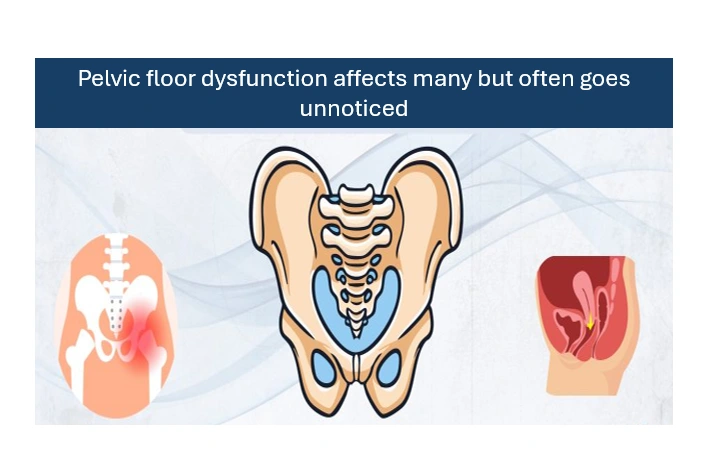
Pelvic Floor Dysfunction (PFD) is a category of conditions caused by an inability to effectively coordinate, contract, and relax the muscles of the pelvic floor. The muscles of the pelvic floor support many of the body’s organs, including the bladder, uterus (in females), and the rectum. In addition, they play an important role in bowel and urinary control, sexual function, and general health of the pelvic area, which can lead to a range of symptoms, from minimal discomfort to significant embarrassment.
Pelvic Floor Dysfunction (PFD) is a major public health concern. Many people with PFD hesitate to seek professional help due to social stigma, lack of knowledge/information about the pelvic floor, or misinformation about the pelvic floor area.
The prevalence of pelvic floor dysfunction among the general population may be overestimated when determining how many people are impacted by this issue. Although some individuals may assume that PFD affects only women who have had children, it also occurs in males and females of all ages. Many factors contribute to the development of pelvic floor dysfunction, including age, weight status, chronic constipation or straining, heavy lifting, surgery, and long-term sitting.
Individuals who are female may be particularly at risk for developing PFD as a result of the physical changes associated with pregnancy, childbirth, and menopause. However, men can also develop PFD as a result of having undergone prostate surgery or from suffering with chronic pelvic pain.
The frequency at which people normalize the symptoms associated with pelvic floor dysfunction (PFD) is what’s most alarming about PFD. Urinary leaks or pelvic pain are assumed by many to be just part of getting older and/or having babies.
Symptoms associated with pelvic floor dysfunction are variable enough that many times it takes some time between presenting symptoms and being correctly diagnosed with PFD. Common symptoms associated with PFD include:
- Difficulty starting/stopping urination
- Frequent urination or sensation of not completely emptying the bladder when you go
- Constipation/struggling during bowel movements
- Pelvic, lower back or genitals pain
- Painful sex
- Urinary or fecal incontinence
Because many of these listed symptoms share commonality’s with other conditions it can take years to receive appropriate diagnosis/treatment.
Individuals suffering from PFD suffer from a number of indicators that indicate the impact on a person’s quality of life in addition to their physical problems. Many of the
individuals affected by PFD feel embarrassed when discussing their symptoms. Embarrassment surrounding their symptoms causes many to withdraw socially and feel less confident.
For example, many individuals that experience incontinence are afraid to travel or exercise. PFD can have severe ramifications with your sex life, which can put a strain on the intimate relationships of those that suffer from PFD. Chronic pain due to PFD can cause both anxiety and depression.
People continue to suffer from PFD every day due in part to the stigma surrounding pelvic health issues, which in turn prevents many from seeking care in a timely manner.
Read also: What happens to the body when a person gadts for 36 hours at a stretch?
Diagnosis: Breaking the Silence
There are several ways to diagnose pelvic floor dysfunction, including analysing a patient’s medical history, performing a physical examination, and sometimes using imaging techniques or special tests. Doctors use pelvic muscle strength and coordination, and look for signs of pelvic prolapse, when assessing pelvic floor dysfunction using these methods.
The greatest obstacle to seeking help with pelvic floor issues is not medical in nature; rather, it is a communication gap between the patient and their healthcare provider. Many patients are hesitant to talk about pelvic symptoms unless they are specifically asked. Experts emphasize the importance of encouraging open dialogue between patients and their healthcare providers in order to facilitate early identification of problems with the pelvic floor.
Fortunately, pelvic floor dysfunction can be treated in many cases, and often even reversed with a proper treatment plan. Treatment is dependent on the underlying cause and degree of severity, but can often include the following approaches
Pelvic Floor Physiotherapy
One of the most common and effective treatments for pelvic floor dysfunction is physiotherapy. Pelvic floor physiotherapists provide patients with an exercise programme designed to help them strengthen or relax their pelvic floor muscles. These therapists also help patients improve their ability to coordinate their pelvic floor muscle actions.
Lifestyle Changes
Making changes to one’s diet, drinking plenty of fluids, maintaining a healthy body weight, and avoiding excessive straining can lead to significant improvements in the symptoms of pelvic floor dysfunction.
Biofeedback
Biofeedback is a method of retraining pelvic floor muscles that uses sensors attached to the body, which allow patients to become aware of what their pelvic floor muscles are doing and how to effectively control that activity.
Medications or Surgery
Medications or surgeries may be necessary in more severe cases of pelvic floor dysfunction, such as when there is organ prolapse or structural damage.
Early intervention yields better outcomes. Thus, awareness of pelvic floor dysfunction and seeking intervention quickly is important.
Read also: Health Experts Warn: Protein Obsession in India May Be Linked to Inflammation
Everyday prevention
While not all pelvic floor dysfunction cases can be prevented, several habits can help reduce the risk.
- Following proper posture
- Refraining from chronic straining when having a bowel movement
- Engaging in regular moderately intensive exercise
- Correctly completing pelvic floor exercises (like Kegels)
- Receiving postpartum treatment and rehabilitation.
Not all individuals who have pelvic floor dysfunction will benefit from performing generic pelvic floor exercises. In fact, performing these exercises incorrectly may exacerbate symptoms; therefore, there is a need for professional guidance.
Why awareness is important?
Due to the cultural stigma of discussing bodily functions, pelvic floor dysfunction often goes unnoticed; therefore, the delay in diagnosis, suffering, and impaired quality of life applies to the majority of individuals who have it.
Public health campaigns and more education will slowly reform this culture, permitting more individuals who are struggling to speak freely and to receive assistance.
Read also: What Your Legs and Feet Can Reveal About Hidden Health Issues
Bottom Line
Pelvic floor dysfunction is more prevalent than what most people believe, and it’s more treatable than what most people assume. The ability to identify the signs of pelvic floor dysfunction, changing the perception of it, and accessing treatment from a professional can provide greater success in recovering from this condition.
Avoiding this condition will not cause it to go away, however, you can regain your comfort, self-esteem, and overall health by addressing it.
