


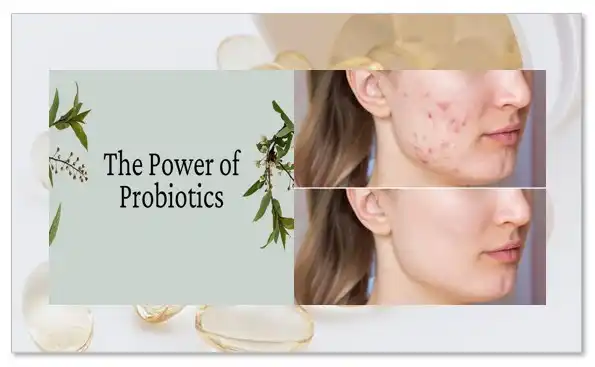
Acne is a widespread skin condition that affects millions of individuals worldwide. It can be frustrating, painful, and embarrassing, especially when it persists despite the use of over-the-counter treatments. Probiotics have become a popular alternative treatment for acne, and many people swear by their effectiveness. Today, we will explore how does probiotics help with acne.
What is Acne?
Before answering, “does probiotics help with acne,” let us understand acne and the different types. While acne can occur at any age, it is most frequently observed in teenagers and young adults. The condition occurs when hair follicles on the skin become obstructed by a buildup of oil and dead skin cells, forming pimples, blackheads, and whiteheads.
While acne can develop on any part of the body, it is most frequently observed on the face, neck, chest, and back. Hormonal changes during puberty are a significant factor leading to acne due to increased sebum production. Other factors such as genetics, stress, certain medications, and dietary factors like high glycemic index foods and dairy products may also contribute to the development of acne.
you may also like:
- Tips and Benefits to Achieve the Best Skincare
- How to lower triglycerides naturally?
- What happens to the body when a person gadts for 36 hours?
Different Types of Acne
There are several different types of acne, including:
- Blackheads: Blackheads are small bumps on the skin’s surface when hair follicles become clogged with oil and dead skin cells. They are called blackheads because the spot’s surface appears black due to the oxidation of the oil and dead skin cells.
- Whiteheads: Similar to blackheads, whiteheads are also caused by oil accumulation and dead skin cells in hair follicles. However, unlike blackheads, they appear as small white bumps on the skin’s surface. Whiteheads occur when the hair follicle is fully obstructed.
- Papules: Papules are small, red bumps tender to the touch. They are caused by inflammation in the hair follicle.
- Pustules: Pustules are like papules but contain pus. They are often called pimples.
- Nodules: Nodules are large, painful bumps deep in the skin. They are caused by oil buildup and dead skin cells deep in the hair follicle.
- Cysts: Cysts are large, painful bumps that contain pus and are deep in the skin. They are the maximum severe form of acne.
What Are Probiotics?
Probiotics are living microorganisms that offer various health benefits to the body, particularly the digestive system. Fermented foods like yogurt, kefir, sauerkraut, kimchi, and others are rich sources of probiotics. Moreover, probiotic supplements are also widely available in the market in various forms, such as capsules, tablets, powders, and liquids.
Probiotics reestablish the balance of good in addition bad bacteria in the gut. As a result, they help to boost the immune system, improve digestion, and promote overall health. The therapeutic properties of probiotics have been utilized to alleviate several health conditions, such as diarrhea, irritable bowel syndrome, inflammatory bowel disease, and certain mental health disorders.
Can Probiotics Help with Acne?
The link between probiotics and acne is still being studied, but there is some evidence to suggest that probiotics may be beneficial for acne-prone skin. So, how does probiotics help with acne? The following are a few ways that will help you understand probiotics and their effectiveness:
- Probiotics Can Reduce Inflammation
Acne is an inflammatory condition resulting from clogging pores with oil, dead skin cells, and bacteria. This inflammation can cause redness, swelling, and pain. Studies have revealed that probiotics can decrease inflammation by impeding the synthesis of pro-inflammatory cytokines.
A study published in the Clinical, Cosmetic, and Investigational Dermatology Journal found that probiotics could reduce acne severity and inflammation in patients with moderate to severe acne. The study involved 45 participants who were given a probiotic supplement containing Lactobacillus and Bifidobacterium for 12 weeks. The results showed a significant reduction in acne lesions and inflammatory markers.
- Probiotics Can Regulate Hormones
Acne is frequently caused by hormonal imbalances, particularly in women. For example, elevated levels of androgens, such as testosterone, can stimulate the sebaceous glands to produce excessive oil, resulting in blocked pores and acne formation. Probiotics may help regulate hormones by improving the gut microbiome.
According to a research study published in the Journal of Cosmetic Dermatology, a probiotic supplement containing Lactobacillus acidophilus and Bifidobacterium bifidum significantly improved hormonal balance in women experiencing acne. The study involved 56 women who were given the probiotic supplement for 12 weeks. The results showed a significant reduction in acne lesions and improved hormonal balance.
- Probiotics Can Improve Skin Barrier Function
The skin barrier is a protective layer for the skin that safeguards it against harmful environmental elements, including bacteria, pollution, and UV radiation. Conversely, a weakened skin barrier can aggravate acne by causing skin sensitivity, inflammation, and dryness. Probiotics may improve skin barrier function by enhancing the production of ceramides, which are essential lipids that help to maintain skin hydration and integrity.
A probiotic supplement that includes Lactobacillus acidophilus, Bifidobacterium bifidum, and Lactobacillus rhamnosus was found to improve skin barrier function and decrease inflammation in individuals with acne, according to a study published in the International Journal of Women’s Dermatology. The study involved 80 participants who were given the probiotic supplement for 12 weeks. The results showed a significant reduction in acne severity and an improvement in skin barrier function.
- Probiotics Can Boost Immunity
The immune system is crucial in protecting the body from infections and inflammation. The immune system can be strengthened by probiotics by stimulating antibody production and improving immune cell function. This can help prevent infections and reduce inflammation, improving acne.
The Journal of Dermatological Science published a study indicating that a probiotic supplement containing Lactobacillus and Bifidobacterium enhanced immune function and reduced inflammation in individuals with acne. The study involved 56 participants who were given the probiotic supplement for 12 weeks. The results showed a significant reduction in acne lesions and inflammatory markers.
Conclusion
Further investigation is required to comprehend the connection between probiotics and acne fully. However, some indications imply that probiotics benefit skin susceptible to acne, as detailed in this article. Therefore, we hope the content answers the “does probiotics help with acne” question many people search for!
Probiotics can reduce inflammation, regulate hormones, improve skin barrier function, and boost immunity, all of which can improve acne. However, look for a product that contains strains of probiotics that are effective for acne, such as Lactobacillus and Bifidobacterium. Like with any other treatment, consult your healthcare provider before using probiotics as a supplement for treating acne.
