


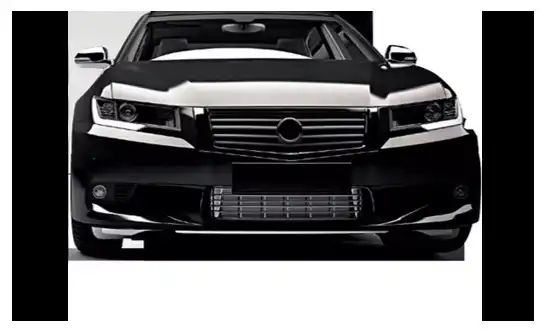
The meaning of a power move in the corner offices of the BKC, Mumbai and the Outer Ring Road, Bangalore has changed. There is no longer any question of the size of the mahogany desk or the number of countries on an itinerary; it is the parking bay.
By March 2026, the old corporate car whose presence used to signify a dead ownership is gone in favor of the dynamic, high-end leasing model. The CxOs of India are taking on the trend of leasing luxury wheels and making high-performance mobility the final tax-efficient and hassle-free executive benefit. The Indian C-suite is steering a change away of an asset-driven approach to experience in a range of vehicles, including the musing noise of a BMW i7 through to the rugged looks of a Range Rover Sport Electric.
The Rise of Ownership becoming Access
Owning a luxury car was a success milestone of Indian success in decades. However, to the modern professional CXO who is young, ownership is starting to appear as a liability. With the ever-changing nature of technology and high depreciation of luxury cars, the old-fashioned approach of buying and holding is getting its luster.
A top executive at a prominent Mumbai based leasing company noted that fifteen years ago, a CXO was satisfied with a premium sedan that he or she could use as their own. Today, they desire what their counterparts have the world over. They desire the newest AI-enhanced capabilities, vegan leather sports, and the fastest charging possible. However, they are not going to bother about the resale value after four years.
Leasing has come out as the Goldilocks. Through paying the usage of the car and not paying for the car, the executives will be in a position to change to the latest flagship models after every three to four years. The headaches which are involved in maintaining the vehicle, insurance, and just reselling it is taken care of by the leasing company thus enabling the executive to concentrate on the boardroom and not the service center.
read more: Why more than 80% of B2B leads don’t convert?
The Tax Arbitrage: The More withLess
Although the “cool factor” cannot be ignored, it is the engine room of this trend which is driven by tax efficiency. In Indian corporate world, leasing of vehicles is frequently designed as a pre-tax deduction that is included in Flexible Benefit Plan (FBP).
According to the existing 2026 tax standards, the gap between the actual lease rentals and the perquisite value taxed by the government will provide a large financial benefit. An executive in the 30 percent tax bracket can easily lower his taxes by lakhs of money by taking a car through a corporate lease.
read more: India-Canada signs 10 year agreement on Uranium supply
The Green Corner Office: The Luxury EVs rise
The most notable visual difference of corporate parking lots this year is the lack of noise. The new standard of ESG-conscious corporations takes the luxury Electric Vehicle (EV).
It is with corporate leases that the leading brands, such as Mercedes-Benz (EQS), BMW (i7 and iX), and Audi (Q8 e-tron) are filling their order books. To a company, offering a fleet of luxury EVs is not simply an option; it indicates the sustainability. GST on electric cars remaining firmly at a lower concessional rate of 5 percent relative to the 40 percent imposed on large internal combustion engines (ICE) has never been higher.
