


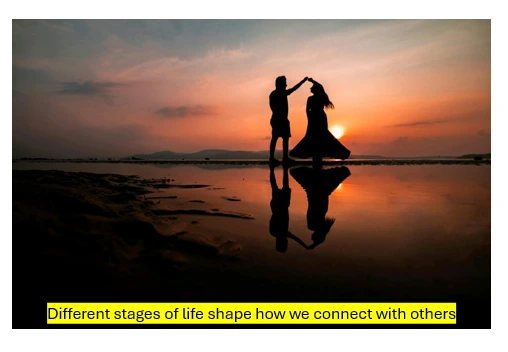
According to a new study that has gone viral, people will likely only find their “true love” two times in their whole life and it has sparked much debate between experts and romantics about the validity of the study.
What the Study Found?
The study looked at long-term relationships and while many people might date many people in their lives, the majority of people experience “transformative love” only once or twice in their lives.According to the study, “being in love” does not mean you are attracted to someone or infatuated with them. “Being in love” means there is a profound connection with someone (emotionally) that includes the following:
- Emotional connection/intensity
- Desire for long-term commitment
- Personal growth
- Psychological impact that last years into the future.
Most of the study’s participants stated that they experienced the previously mentioned characteristics of “being in love” with another person one or two times in their lifetime.
The First Time You Loved: How it Happened?
People usually fall in love for the first time in adolescence or early adulthood, according to psychologists are:
- Intense emotional connection to the other person.
- Idealizing the other person.
- Feelings of extreme passion and possibilities for the future together.
Many people’s first true love will generally be the most emotionally intense loving experience they ever felt. Even if that love were to end, the fact that they experienced such an intense bond to another person is likely to have left a significant emotional impression that affects their later relationships.
Professionals in the field agree that early romantic relationships help people identify:
- What they desire from their partner
- How they bond with another person
- Their reaction to emotional hurt
Tips to strengthen your bond – being in a long-distance relationship
The Second Love: Maturity and Rationality
Typically, the second significant love happens at a later point in life and is influenced by development and experience.
In contrast to the initial love, this love often feels:
- More stable
- More rational
- More purposeful
Individuals in this phase of their lives are generally more assertive and have better insight into who they are as an individual. Rather than pursuing emotional intensity alone, they look for compatibility, security, and trust in their partner.
According to researchers, the second significant love is frequently viewed as “healthier” and more long-lasting.
Financial freedom has become a new sign of love and commitment
Why Only Two?
Relationship specialists suggest there are multiple reasons for the limitation of transformative love possibilities:
- Emotional Capacity: Deep attachment forms through a combination of intimacy, trust, and emotional investment. These attachments involve a great deal of emotional energy to create.
- Life Situations: Career, family obligations, and personal growth space affect the timing and nature of when and how we experience love.
- Psychological Templates: The early romantic experiences we experience create a very strong emotional template that governs how we perceive future romantic relationships, creating both very large and much smaller possibilities for experiencing transformative love.
- Not a Rule: Researchers are clear that this study represents statistical findings and should not be interpreted as fate.
- Some people may: You may only have an intense romantic experience once, or you could be in love several times. You may not consider these types of relationships to be labeled in this way. How you experience romantic relationships will vary based on your race/cultural background, personality characteristics, and life experiences.
What Experts Are Saying?
According to relationship therapists, you shouldn’t take the results of the research and put a time limit on a relationship. They say there is no limit to the love we give; and emotional development continues for our whole lives, and we can develop strong relationships at any stage of life. They suggest that we should look at our own emotional well-being and communicate with ourselves and others, while also focusing on our own values as we develop healthy relationships with ourselves and others.
The greater reality is that many people can identify with this definition; the overwhelming majority of us have told the story of how we fell in love with someone at the beginning of our lives and continued to grow emotionally into partners as we grew older. Nonetheless, the uniqueness of the human connection and the unpredictability of the relationship will not only depend on the number of ‘loves’ you have in your lifetime but also that the relationships that you create will have a positive impact, change you, and create lasting memories for you.
Tips to Enter a Casual Dating Relationship to Give it a Worth
