


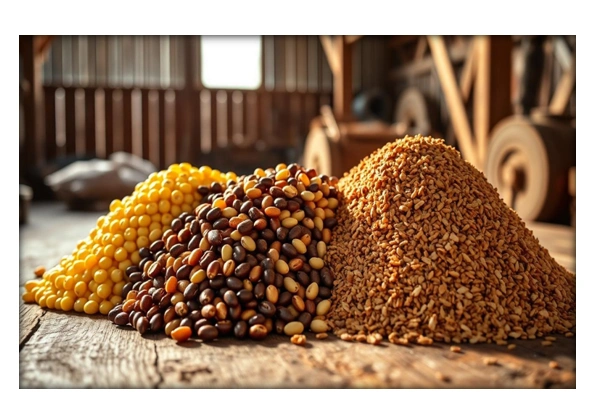
India has chosen to limit the amount of Dried Distillers’ Grains with Solubles (DDGS) it can buy from the US under a duty free deal. The limit is 5 lakh tonnes. The amount is estimated at about 1% of India’s annual consumption, which means the market will be opened carefully and slowly.
This choice is part of the two countries’ efforts to improve their trade relations. It lets some American producers in, but it also shows that India wants to protect its own crops and avoid sudden problems.
Why DDGS Is Important
Feed costs have a big effect on the prices of meat, milk and eggs, so farms can be affected by even small changes in supply.
The amount of horse feed India needs has been steadily increasing. As people eat more milk, chicken and fish, they need feed items that are cheaper and better for them. Of course, weather problems and competing demand from food markets can sometimes strain local sources.
A Gate with Controls, Not a Free One
Officials from the government say the limit is a fair way to handle the situation. The deal doesn’t let you ship as much as you want with cheaper taxes,it only works for a certain amount of goods. Normal duties would be put on any goods that were worth more than that amount.
It’s important to keep the farm economy strong while also easing market stress. The government thinks that setting the fee at about 1% of usage will keep the risk for local providers low.
Help for individuals who use Feed
It might give companies that make feed and farmers who raise animals some room to breathe. If more products are on the market, prices may drop, particularly if the cost of raw materials in the area rises.
People in the industry often say that having a variety of sources makes the system more resilient. Other crops, like DDGS, can be brought in to keep prices from going up too quickly if one crop doesn’t do well.
Message to Partners in Trade
When people talk about trade, farming is still a touchy subject. For many, farm pay is their only way to make a living, so making things more open too fast can be bad for business and politics. One way that people can work together and still put safety first is through quotas.
That could help build trust in the talks that are still going on without India having to make promises that could hurt farmers in the country.
What Comes Next
The DDGS deal is likely part of a larger plan that is still being discussed. Between the two sides, talks are still ongoing over a number of goods in various areas.
For now, the limited agreement fits with India’s general plan, which is to slowly open markets while keeping a close eye on them and being ready to step in if things go wrong.
If the limit is increased in the future, it will depend on how it affects prices, farming interests, and the overall supply situation. In the meantime, the 5 lac tonne cap will determine any changes that may be made to field trade.
