


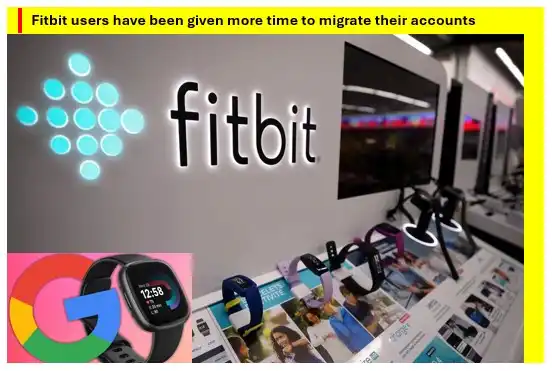
Few words in the world of wearable tech provoke anxiety quite like “migration.” For the millions of people who have logged a decade’s worth of heart rate, sleep and exercise data into Fitbit’s website or mobile app — so much fitness activity that they may now have hundreds of virtual running and cycling medals — the pending need to shift at least some of themselves to Google has become their personal digital stopping time.
But as of January 31, 2026, Google has offered a quiet respite. The final cutoff date for the mandatory transition, which was originally set for early February, has been delayed. Fitbit users can now continue to receive the same data syncing and keep their historical data until May 19, 2026, if they make the move.
Yet this isn’t just an extension to give it a little more administrative breathing room; it’s indicative of the messy reality that has been combining two gargantuan digital ecosystems — and the not-so-quiet pushback from users who don’t quite feel ready to say goodbye to a standalone Fitbit brand.
Why the Delay? Technical Hurdles and User Hesitation
Google has not made an official announcement for why it’s granting the three month extension, but there are a couple of reasons mentioned in a comment from industry analysts and support forums.
To begin with, there is the size of the enterprise. Transferring millions of accounts — some with more than a decade of sensitive health data — is no small feat. Technical bottlenecks, specifically around “legacy” setups or complex family accounts, have created a sustained stream of support tickets. Pushing the date out to May, it’s likely what Google is doing to avoid a big “mass lockout” scenario where their customer service is swamped.
Then there is the human factor. A loud faction of the community has had data privacy concerns since Google bought Fitbit in 2021. Even though data from Fitbit’s health and wellness devices won’t be used in Google Ads, a lot of users have “something else lingering if they drag their feet,” he said.
What Does Emigration Really Mean? What Actually Changes When You Move?
The good news is that for users, everything looks and feels almost exactly the same on a day-to-day basis. Primarily, this “migration” is a change in your account’s security and plumbing.
- Same App, New Keys: You continue to control the Fitbit app on your phone. The only variation is that when you go to log in, select the “Sign in with Google” button.
- Historical Data: You can move all of your steps, sleep logs and other history over with ease if you follow the prompts.
- Better Security: Instantly, upgrading to a Google Account opens up options for stronger security measures including advanced Two-Factor Authentication (2FA) and support for “Passkey,” neither of which were available in the old Fitbit system.
- Privacy Guardrails: By law, Google needs to keep Fitbit health data in a separate “silo” from its advertising business at least for the life of the contract with the European Commission and other regulators.
Move Your Account Today, Step by Step
If you wish to beat the May rush and get ahead of the game, the process is simple and typically not more than five minutes.
- Update Your App: Make sure you are using the most current version of the Fitbit app from either the Google Play Store or Apple App Store.
- Find the Prompt: Launch the app and tap on your Profile icon (or if you don’t have one set, it’ll be a Settings gear) in the upper right corner.
- Launch the Move: Find a big button that says “Move your account” or “Manage your account.”
- Agree and Verify: You will be prompted to select which Google Account you would like to connect. View the data permissions, tap “Agree,” and let the app do the rest.
The Future: Fitbit as a Google “Core Service”
This migration is the latest step in transforming Fitbit into a key building block for Google’s health ambitions, rather than its status as an independent company. The fruits of that integration are already appearing in the Pixel Watch series and a new AI-driven Fitbit Coach that’s now deploying Google’s Gemini models to analyze your fitness patterns.
The “Fitbit” brand will probably live on in hardware, but the “Fitbit Account” is officially an endangered species. With the countdown to May 19, users have one more season in which to make a choice: become Google centric or take their data and go elsewhere.
