


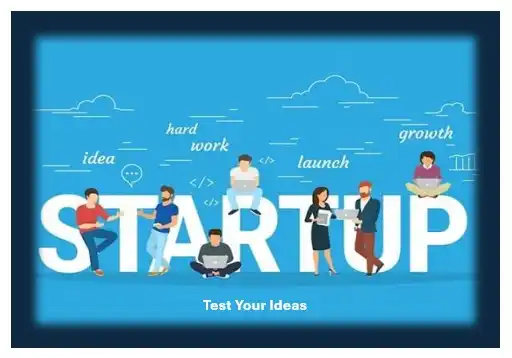
Startups are not typically started by nice ideas. A successful startup starts with a founder who sees something that is not working well, causes frustration, or has not yet been addressed. The best idea is a solution to a frequent, urgent, and cost-prohibitive problem that people will pay for. If there is no problem, no amount of execution will save it.
Test Your Ideas
Empires can’t be built on assumptions. Founders of early-stage companies quickly test their ideas using customer feedback via interviews and building prototypes or MVPs. The purpose of this testing is to learn and not be perfect. Often, the feedback received during testing will help determine the product that will ultimately drive the company’s success and will also lead the founder to pivot their direction.
Create a Product that People Will Enjoy
The ultimate goal in a successful startup is achieving product-market fit, which occurs when someone becomes a user and continues to use the product. A successful startup will achieve product-market fit by developing a great user experience, solving the core problem exceptionally well, and constantly iterating their product. When customers are loyal to your startup, it is much easier to continue to grow business through word of mouth.
Assemble the Right Team
Ideas can be very soft but teams make those ideas hardy. High-growth businesses start out by coming together in groups with complementary skill sets (product, engineering, marketing, and operations) and working towards the same goal or mission. Culture at the very beginning is most important; the differentiator between the successful team versus all others is usually a result of ownership, speed and adaptability.
Create a repeatable and scalable business model
An empire needs more than users; an empire requires a process for creating that eventual empire by repeatable ways of making money for that empire. High-growth companies are usually very innovative in the area of pricing, distribution channels, and revenue streams. The way to grow fast will be to develop a model that is scalable, allowing for growth without the commensurate increase in the costs to grow.
Strategically secure capital
Capital can help with the accelerated growth and is not a substitute for fundamentals. The majority of high-growth companies use capital to grow their business through hiring new employees to improve their products and/or enter new markets. When selecting an investor, the best entrepreneurs look for those that bring value in addition to money; e.g., experience, relationship capital, and long-term plan versus just money.
How to teach kids money lessons without making them money minded?
Execution at all costs & Adapt Quick
The market changes with increased competition and planned activities fail. The main difference between high-growth businesses and their competitors is execution; i.e., execute quickly to deliver product/service to market, monitor results, and adjust accordingly. If you use data to make decisions and can pivot to keep your company ahead of the competition, you will succeed.
Expand Without Losing Focus
Scaling up a startup means growing into new markets, products, and geographies. However, companies who scale need to do so in a disciplined way. Some of the best companies keep their core value protected while they grow and expand. They also ensure that they do not expand too quickly for their systems or culture to keep up with the pace of growth.
Branding and Building a Defensive Barrier
In order for empires to exist, they need to be expensive to counterfeit. Strong brands, network effects, exclusive ownership (of technology), or community loyalty create defenses that protect startups from competitors and position them as market leaders over time.
Have a Long-Term Strategy
The process of going from an idea to an empire takes years, not months. Founders that are most successful create a balance between ambition and patience, between short-term success and long-term vision. They design their companies to be built to sustain and thrive, rather than to simply have a launch.
