


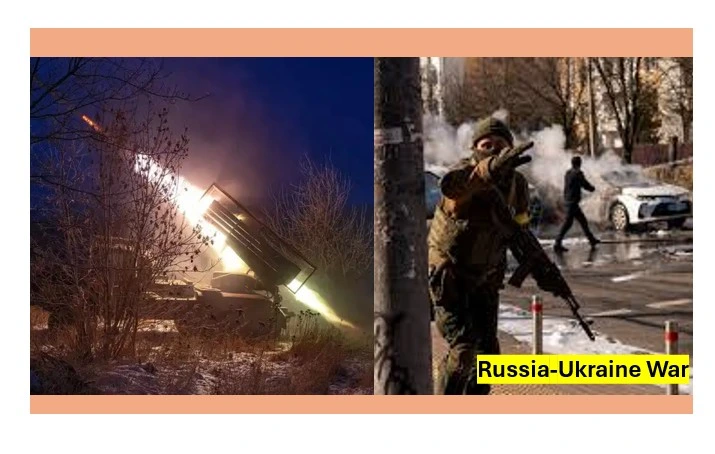
The paradox of the Russia-Ukraine conflict in early 2026 is stark: as high-powered trilateral discussions play out in Abu Dhabi that diplomats describe as “constructive,” life on the ground stagnates in a never-ending echo of harsh violence and doubt. By January 25, 2026, the world is witnessing a grand ballet of diplomacy in which nothing less than the sovereign future of Ukraine and the stability of European security hang in balance.
According to one of the most ardent supporters of Ukraine, Lithuania – lately a trumpeting alarm. In Vilnius, the Lithuanian capital, President Gitanas Nausėda said the Kremlin seemed to be shying away from any true commitment to a durable peace despite the flurry of diplomacy. This assessment comes amid a very delicate time, where there is talk of “peace plans” that are still in process before they come to fruition yet the “language of missiles” drowns out the language that is exchanged on the table.
The AbuDhabi Paradox: Development in the Dark
U.S., Ukraine, Russia reps just wrapped a big two-day session in UAE. This trilateral format—unique in years—it was an attempt to work out the “parameters for ending the war.” US envoy Steve Witkoff and Jared Kushner have been central to maneuvers in these efforts, pushing a framework that some insiders hint is almost 90% done.
But 90% ready, in the world of diplomacy, is often only beginning the orbit around the finish line. The final 10% addresses the two most controversial issues: territorial integrity and security guarantees.
Territorial Sticking Points: Russia still insists that Ukraine pull out of all Donbas territory, including territory it has not yet military recaptured.
Security Guarantees: President Volodymyr Zelenskyy has said a document on U.S. security guarantees to Ukraine is “100% ready” but Russia remains adamantly against a role for NATO or any Western military in Ukraine once the fighting stops.
Their negotiators have already agreed to resume the dialogue on 1 February, but the positive tone in the UAE stands in stark contrast with the “brutal” reality on Kyiv and Kharkiv.
Lithuania’s Skepticism: A Warning from Freedom’s Frontline
Lithuania’s attitude is not simply one of pessimism but of hard-earned experience. The recent statements of President Nausėda indicate a profound distrust for Moscow’s intentions. He contends that Russia is treating the ceasefire talks as tactical “breathing space” -keeping one foot in and– using it to regroup, re-arm and wait for Western unity to fracture.
That feeling is prevalent with Russians living in the Baltic region, many of whom see the Kremlin’s “maximalist demands” as evidence that it has not abandoned its territorial ambitions. Lithuania has even suggested it is ready to offer Ukrainian troops training and post ceasefire missions on its own soil, indicating that for neighbouring small countries there can be no such thing as a “bad peace” if it leaves Russia an existential threat.
The Weaponisation of Winter: Power as a Theatre
As diplomats debate clauses and annexes, the Ukrainian civilian population is suffering what many are calling the grimmest winter of the war. Russia has stepped up its “energy terror,” deploying hundreds of drones and missiles to hit heating and electricity facilities.
In Kyiv apartments, temperatures have dropped to near-freezing in January 2026 as the fragile grid “hangs by a thread.” This is not just an uptick in violence, that is pure on purpose to crush Ukrainian morale and force a capitulation prior to the ink even drying. There is an irony not lost on Wolgemuth and other observers: Russia says it’s making “maximum efforts” to bring peace in Abu Dhabi while simultaneously vowing to freeze Ukrainians into submission.
The Human Cost of Stalling
- Displacement: Millions of people are enduring historic blackouts.
- Casualties: Airstrikes continue to kill civilians on a daily basis, including medical workers and emergency responders.
- Psychological Morale: Nearly four years of extensive scale war have left their mark and “war fatigue” is a word that else… however, confidence in the Ukraine’s maintenance of territorial integrity stands at 72% among her people.
The Trump-Putin Factor: A Weight and a Distraction
Certainly, the momentum behind those discussions has been altered by the re-engagement of the US under the current administration. Vladimir Putin’s pile driver, let me say something about this peace proposal that is currently being bandied aboutThe Anchorage frame in the late 2025 summit between Vladimir Putin and Donald Trump set the stage for today’s “20-point peace plan.”
The “understanding” that was supposedly arrived at between the two leaders has still not resulted in a formal ceasefire. Russian Deputy Foreign Minister Sergey Ryabkov says Moscow is laboring “round-the-clock” to put the scheme in place, though European allies are suspicious. They are worried about a deal that is seen as “a gift to Moscow” or could lead to the legitimization of occupied territory. The Kremlin’s ploy of calling into question President Zelenskyy’s legitimacy and manufacturing “provocations” is widely viewed as an old-fashioned holding pattern to ascertain how much more can be squeezed from the U.S. mediators.
Could raise tariffs on India’: Trump’s fresh warning over Russian oil trade
The Road to Feb. 1: What Happens Now?
Now, as we head towards another round of negotiations, the world is at a crossroads. Will the “Abu Dhabi process” culminate in a landmark summit between Zelenskyy and Putin, or is it just window dressing for an ongoing war of attrition?
In order for a peace agreement to be “just and lasting,” it must go above the 90% line by recognizing Ukraine’s essential right to exist within its internationally recognized frontiers. And anything less, as Lithuania warns, may be merely a pause in a much longer, more perilous conflict.
The next few weeks will tell if the “constructive atmosphere” of the Gulf can live in a cold peace with the reality of the Ukrainian front. For now, the world waits, eager for the next update from the peace table to be a real commitment and not another delay.
