


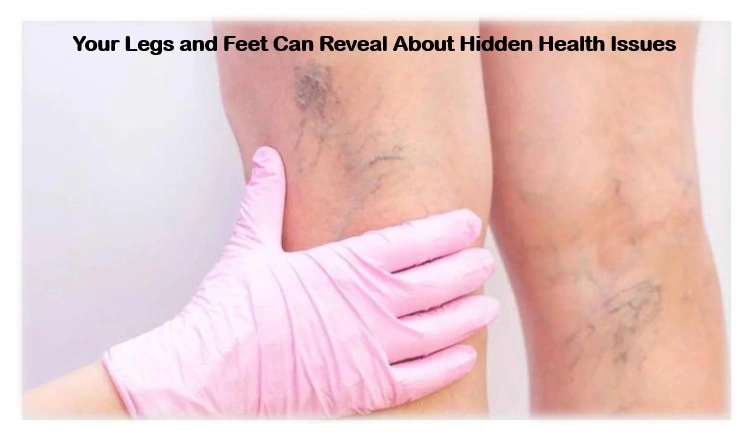
People should pay more attention to changes in their legs and feet, say doctors, because these parts of the body are often ignored but can show early signs of major health problems. Experts say that symptoms in the legs or feet could mean that there is a problem with the heart, blood flow, nerves, liver, or kidneys, sometimes long before more obvious signs show up.
Changes in colour and swelling may be signs of deeper problems
One of the most common warning signs that doctors point out is swelling that doesn’t go away in the feet, ankles, or lower legs. Long periods of standing or sitting can cause brief swelling. However, swelling that doesn’t go away or that happens often could be a sign of heart failure, kidney disease, or liver disease. Since gravity pulls fluid down, problems with the legs and feet are often the first places that people notice them.
You should also pay attention to changes in skin colour. Having pale, blue, or strangely red feet could mean that your blood flow isn’t working right. If you have cold feet and pain when you walk, it could mean that your arteries are narrowing and limiting blood flow. Doctors say that these symptoms could be signs of peripheral artery disease, which raises the risk of having a heart attack or stroke.
Veins, Pain, and the Chance of Getting a Clot
Changes that you can see in your leg veins can also be very helpful. Large, curved, or bulging veins could mean that the valves in those veins aren’t working as well, which keeps blood from returning to the heart. This condition is often thought of as a cosmetic issue, but it can be painful and may be a sign of bigger circulation issues.
Doctors also say not to ignore sudden leg pain that is followed by redness, warmth, and swelling, especially in one leg. If you have these signs, you might have deep vein thrombosis, a dangerous disease in which a blood clot forms in a deep vein. If you don’t fix the clot, it can move to your lungs and cause problems that could kill you.
Wounds that take a long time to heal and signs of diabetes
Another big problem is sores or wounds on the feet that won’t heal, especially for people with diabetes. Wounds may not heal properly if there is poor blood flow or nerve damage, which raises the risk of infection. Professionals in health say that people with foot sores should never ignore them because they can get worse if care is put off.
Thick skin, cracked feet, or infections that keep coming back can also be signs of problems with the immune system or metabolism. A lot of the time, these symptoms are thought to be normal skin problems, but they could be signs of greater health problems.
Why a 15-Minute Walk After Meals Boosts Sleep and Heart Health
Feeling numb or tingly is a sign of healthy nerves
If your feet and legs feel tingly, hot, or numb all the time, it could mean that your nerves are damaged. Most of the time, doctors think that these symptoms are caused by diabetes, vitamin deficits, or nerve problems. Nerve damage that isn’t addressed can cause balance issues, accidents, and less movement over time.
Experts say that losing feeling in your feet makes it more likely that you will hurt yourself without realising it. This is why regular self-checks are especially important for people who already have health problems.
What Early Attention Can Do for You
Medical experts stress that the body often sends minor signs before a serious illness happens. Health problems can be found early by keeping an eye on the legs and feet on a regular basis for changes in growth, temperature, colour, feeling, or how they heal.
Doctors say to see one if symptoms don’t go away, get worse, or show up out of the blue for no clear reason. An early evaluation can greatly improve the results of treatment and keep major problems from happening.
As people become more aware, health professionals keep telling them that the legs and feet are more than just supports. As a view into your general health, they give you important signs that you shouldn’t ignore.
