


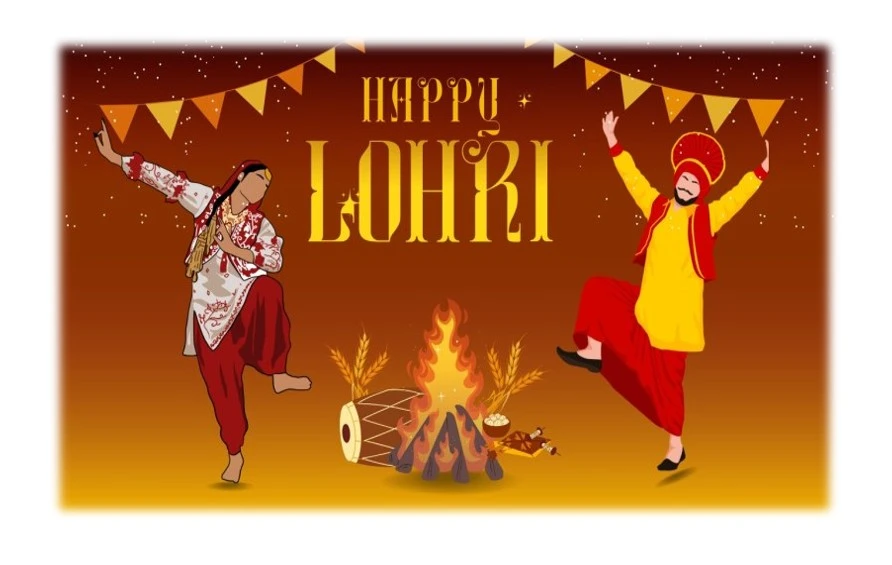
As the sun sank beneath the horizon on this Tuesday, January 13, 2026, the cold winter night across North India was alight with amber and gold. From the sweeping wheat fields of Punjab to the crowded terrace gardens of Delhi, bonfires crackled and smoke from roasting corn hung heavy in the winter night air as Lohri, the year’s first major harvest festival in India, was celebrated. But Lohri 2026 is here, not just as another date in the calendar butalive with a testimony of resilience, community and eternal rhythm of Mother Earth.
This year’s observations carry particular resonance. As the world enters a more digital age, the vision of neighbors huddled around a physical fire — and throwing sesame seeds into it, or just sharing stories — is as grounding in tradition as I can imagine. The streets are filled with the rhythmic thud of the dhol echoing through, and wafts of sweet jaggery melting and the enthusiasm of a people excited to invite Sun’s journey north.
The Sacred Fire: A Vision of the Primordial Tradition
Central to every Lohri celebration is the sacred bonfire, which represents Sun God (Surya) and Fire God (Agni). As families came together tonight, walking around the fire — Parikrama — remained the centerpiece of this evening. This is not merely a symbolic gesture: it is an invocation for good fortune and the “burning away” of last year’s woes.
Children and elders poured til (sesame seeds), gajak (jaggery sweets), peanuts and popcorn into the flaring flames. These offerings are symbolic of the produce of Rabi crop in Punjabi culture. As the sparks arc up into the winter night, so too does the festive chant “Aadar aye dilather jaye” (May honor come and poverty depart) ring in every neighborhood, making for a radiant omen of better things to come.
DULLA BHATTI -the Spirit of Giving
No Lohri is complete without the story of “Dulla Bhatti”, our very own ‘Robin Hood’ who robbed the rich and gave away to poor. At the evening meetings, folk singers and family elders told the tale of a 16th-century hero who saved young girls from oppressors’ clutches and arranged their marriages giving them dowries from his own pocket.
The popular folk tune “Sunder Mundriye ho! —which names Dulla Bhatti—resounded in most homes today. Some 83 years after it was first uttered, in 2026 this legendary quote lives on to spawn a fire of goodwill. Numerous community groups marked the day by holding food drives and clothing offerings for the disadvantaged, a testament that enduring Jewish values such as social justice and helping one’s fellow man are still as strong today as if they were codified thousands of years ago.
A Culinary Celebration: From Saag to Rewri What a poetaster called this wonderful Cook I would like to know!
Hailing from North India, Lohri is a feast for the senses of the food lover. The “Lohri Ki Thali” 2026 highlights the quintessential pairing of Sarson da Saag (mustard greens) and Makki di Roti (cornbread), served with a large serving of homemade white butter. These dishes aren’t just seasonal favorites, they’re an homage to the farmers who worked through months of cold to see their harvest born.
Throughout the day on Sunday, markets were filled with customers buying Rewri and Chikki. In a more contemporary spin, several of Delhi’s indie bakeries are now offering “Lohri Fusion” goodies – think jaggery-spiced cheesecakes and sesame-flavoured chocolates — creating a middle ground between old-world tastes and new-age palates. But for many, nothing compares to the simple pleasure of sitting down next to a fire and shelling roasted peanuts while having a laugh with someone you love.
Makar Sankranti significance, history and celebration rituals
Milestone Lohris: First Welcomes
Lohri 2026 has even more emotional connotations for the “First Lohri” families. In fact, the first Lohri must be celebrated in great festivities; be it for a newborn or newly-weds.
In homes throughout Haryana and Punjab, there was a bountiful spread to celebrate the entry of a new member into the big family fold. He organizes “First Lohri” celebrations at different orphanages every year, in which traditional items like clothes, jewellery and sweets are gifted that represents the perpetuation of the family tree. The bonfire now witnessed the blessings bestowed on this new generation who are enwrapped in the warmth of community that will continue to surround and protect them for years to come.
Forward Planning: The Move to Spring
Once the fires have died down to embers, the party doesn’t end, really. Lohri is celebrated on the eve of Makar Sankranti, which is also known as Maghi and marks the day when the sun enters the zodiac sign of Capricorn. Starting tomorrow, the days will grow slowly longer as the “biting cold” of mid-winter recedes.
In a world that so often seems divided, Lohri 2026 has once again shown itself as a great unifier. It is an ecumenical, cross-cultural tradition which unites all people under the glow of a common flame. In the night when the drums of Bhangra and Gidda dancers have grown quiet, somewhere a message is pronounced ….I found that in life cycle, harvest is present at all times – to make you dance.
