


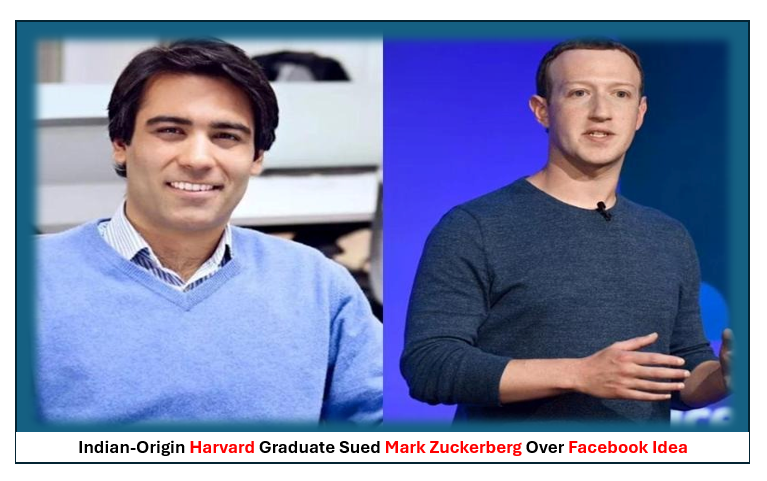
A guy from India named Divya Narendra, who went to Harvard University and studied there, sued Mark Zuckerberg, saying that Zuckerberg stole his idea for a social networking website that became Facebook. Narendra thought of a way for Harvard students to meet with each other for more than a year before Mark Zuckerberg started Facebook in 2004. He told his friends, Cameron and Tyler Winklevoss, about this idea, and the three of them began working on a project they first called Harvard Connection and later renamed ConnectU. They thought of a website where Harvard students could use their school email to sign up and talk to other students.
Making Harvard Connect and Zuckerberg’s Involvement
Late in 2003, Divya Narendra, the Winklevoss twins, and Mark Zuckerberg, who was still a Harvard student at the time, asked Zuckerberg to help them build the HarvardConnection platform. A big chunk of the project’s code had already been written, and Zuckerberg was given secret server addresses and unfinished source code to help.
According to Narendra and his friends, Zuckerberg seemed excited about the project at first and ready to help. After a few weeks, though, he started putting off contact and in the end, he stopped working on Harvard Connection.
Facebook and legal action
Mark Zuckerberg got the.com name in January 2004 and put up HarvardConnection in early February 2004, even though the site wasn’t ready yet. In the same way that HarvardConnection did, the site let people with Harvard email addresses sign up. The Winklevoss twins and Divya Narendra thought that someone had used their idea without giving them credit or money.
Following failed attempts to resolve the issue through Harvard University, Narendra and his partners filed and lawsuit against Zuckerberg and Facebook in 2004. They said he stole their business plan, idea and the source code intended for their project. The main question in the case was whether Zuckerberg had broken a formal deal by using their private information to make Facebook.
Settlement and What Came Next
The court case lasted many years. Zuckerberg said he didn’t use any of HarvardConnection’s code in Facebook, but the case went to court anyway. After years of court cases, Zuckerberg and Facebook finally reached an agreement in 2008. Narendra and the Winklevoss brothers received up to $65 million in cash and stock from Facebook. They also got a piece of Facebook’s ownership.
The main case ended with a settlement, but later claims that the shares’ value was misrepresented led to further conflicts. Later, the Hollywood movie The Social Network made a big deal out of Narendra’s part in the story of Facebook’s early fights over intellectual property.
What Divya Narendra Is Working On Now
Divya Narendra later became a businessman and co-founder of SumZero, a site for trading experts. His story is still an important part of Facebook’s past because it shows how early disagreements about ideas, working together, and intellectual property can happen in the startup world.
