


Just as a girl enters her puberty, it is quite natural for her to face menstruation, but many a time, it gets hard for one to discuss such bodily functions with the elders openly. However, I have drafted this article to get into such in-depth details surrounding menstruation. Hope I will be able to settle your curiosities appropriately.
What is Menstruation?
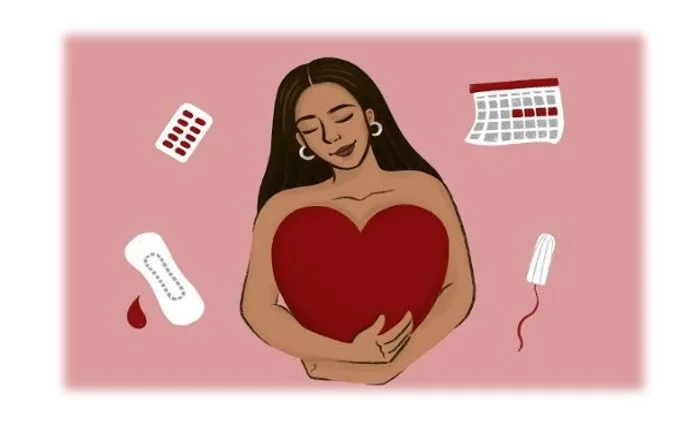
Menstruation, also known as periods or monthly, is basically the process of discharging blood and other materials from the uterus lining at an interval of one lunar month, except during pregnancy. During menstruation, blood and tissues tend to come out through the cervix and the vagina. The hormones involved in the regulation of menstruation are estrogen and progesterone.
What is a Menstrual cycle?
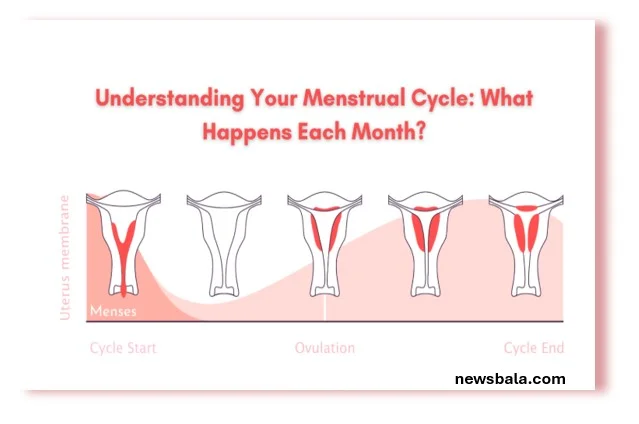
The regular change that occurs in the female reproductive system is called the menstrual cycle. It is a natural phenomenon that is required for the production of oocytes by preparing the uterus for pregnancy. The cycle varies somewhere between 21 to 35 days, and the bleeding continues for 4-5 days on every menstruation. A regular cycle depicts the systematic functioning of your body, particularly the reproductive organs, regulated by the rise and fall of hormones.
Phases of menstruation
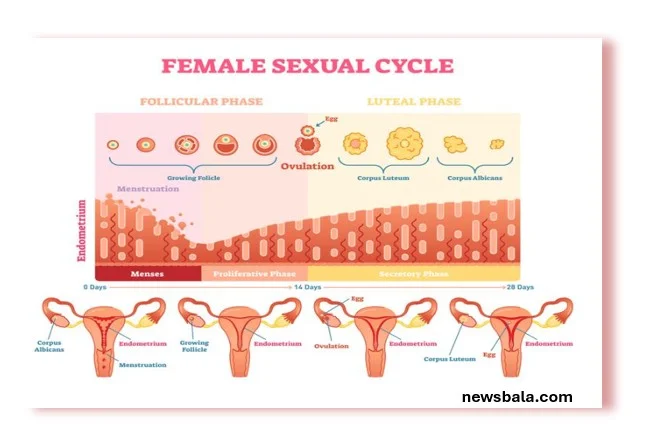
Considering the length of a menstrual cycle as 28 days, the entire duration can be divided into the following categories:

Menstrual phase (From day 1 to 5)
During this phase, the uterus sheds its inner lining of soft tissues and blood vessels. There is a loss of approximately 8 to 10 ml of blood, followed by abdominal cramps caused by the contraction and expansion of the abdominal and uterine muscles.
Follicular phase (From day 1 to 13)
While the egg cell matures to form a sac-like structure, it is known as a follicle. It takes 13 days for the egg cell to mature, and the hormones secreted by the pituitary gland stimulate the maturation of the egg cell. The uterus develops a lining called endometrium during this phase.
Ovulation phase (Day 14)
The pituitary gland secretes a hormone that drives the ovary to release the mature egg cell. It is swept further by the cilia (hair-like structures) of the fimbriae (finger-like projections).
Luteal phase (From day 15 to 28)
The released egg cell stays in the fallopian tube for around 24 hours. During that time, if a sperm cell impregnates the egg cell, fertilisation takes place, and the egg cell disintegrates.
The First Period
The first period of a girl usually occurs between the ages of 8 to 15. An average age could be 13 years as well. It totally depends on the activity of the hormones in the body. The start of menstruation is known as menarche. If a girl has still not had her period at 15 years of age, she must visit the doctor for consultation.
What should a girl do during her first period?
During her first period, she needs to talk openly to her parents and teachers who would help her to educate more about its management and the sanitary products required to handle the situation.
How long does a period last?
The intensity of blood that you are losing is solely dependent on your menstrual flow. It may last for 3-5 days. Usually, the teenagers tend to have longer periods, while the older women get periods lasting for a day or two.
The Last Period
Every fertile woman at the age of 45-55 confronts a span of time where ovulation no longer occurs as the individual loses the efficiency of a normal reproductive system. The offset of menstruation is known as menopause. Menopausal transition tends to occur during this time as the body experiences a lot of hormonal alterations. Also, the body changes both physically and psychologically. Thus, it is quite important to attend this phase of life sincerely, and in case of any complications, the physician must be reported at the earliest.
Different ways to manage menstrual flow
During her menses, a girl needs to ensure proper absorption and disposal of the sanitary products. You can manage your menstrual flow using any of the following products:
- Disposable sanitary pad: It is an absorbent pad, and you need to wear it between the vulva and the underwear.
- Reusable cloth pad: It is a sanitary pad that is made of cloth and can be washed. It is reusable.
- Tampon: It is a mass of absorbent material that is inserted into the vagina. It is meant to absorb the menstrual fluid.
- Menstrual cup: It is a bell-shaped cup that is usually made of silicone and is inserted in the vagina. It is meant to collect the menstrual fluid that could be disposed of later. Menstrual cups are washable and reusable, too.
Issues faced during periods
Menses come with heavy pain and irregular blood flow, but the list of complications does not end here. There are several other issues, too:
Amenorrhea (absence of periods)
Your body hormones aren’t in sync, and you may skip your periods for quite a long time. This disorder is called amenorrhea. Causes include:
- Pregnancy
- Physical and psychological stress
- Ill health or if under medication
- Improper diet
- Sudden gain or loss in weight
- Abnormal Uterine Bleeding
Blood oozing out through the vagina in any of the following cases may lead to severe consequences:
- After mating
- After menopause
- During Menses
- After your period
- Post Menstrual Stress (PMS)
This disorder is common in teens just after the onset of menstruation. The symptoms of PMS include:
- Mood swings
- Anxiety
- Breast tenderness
- Food cravings
- Insomnia
Dysmenorrhea (painful periods)
Intense pain and cramps during periods are classified as Dysmenorrhea. In teenagers, it may happen due to excess production of prostaglandin. In adult women, it may be due to fibroids and endometriosis. This pain could be healed by hot water pads or a warm water bath. Several women even choose pills.
How can you track your cycle?
It is good to keep a track of your menstrual cycle as that would keep a check on your overall health. Keep a note of the following to track your cycle:
- First day of the cycle
- Last day of the cycle
- Intensity of menstrual pain
- Blood flow
- Normal bleeding or not
- You can even use smartphone technologies that would help you keep track of your menses appropriately.
Is missing a period normal?
Regular menses ensure that you are in good health and your hormones are at proper levels. However, you can still miss a period at certain times; reasons may be:
- Ill health
- Underweight
- Physically or psychologically stressed
- On medication
However, you must always see a doctor instead of leaving the issue unsettled.
When do you need to see a doctor?
If you are suffering from menstrual irregularities, you must go to a doctor immediately. Here are some of the reasons for your complications:
- Polycystic ovary syndrome (PCOS)
- In the phase of pregnancy or lactation
- Uterine fibroids
- Issue with diet or weight
- Ovarian failure
- Irregular periods
- At the age of 15, but still not menstruating
- Not menstruating for a tenure of 90 days or more
- Excessive bleeding, which is quite different from the normal menstrual flow
- Fever or illness after using tampons
- Acute pain
- Blood loss between menses
- The menstrual cycle is not repeated at regular intervals
A gynecologist would be the best person to guide you in the correct way at the right time.
Preventing the irregularities
Irregularities can be caused due to:
- Change in diet
- Excessive exercises
- Infections of the reproductive organs, like pelvic inflammatory disease (PID)
- Ectopic pregnancy or miscarriage
- Intake of birth control pills
- Pregnancy or breastfeeding
- Premature ovarian failure
- Endometriosis
Menstrual irregularities won’t let you remain healthy. To prevent so, here is what you should do:
- Eat fresh and healthy. Maintain your diet properly.
- Work out on a regular schedule
- Drink a lot of water
How to regulate your periods?
- Get rid of hormonal birth control pills: You cannot increase the level of estrogen in your body if it is continuously pushed by synthetic hormones.
- Intake iron-rich foods: Food sources like red meat, beef and chicken liver, lamb, turkey, shellfish, tuna and eggs, as well as plant products like squash, cashews, almonds, lentils, pumpkin seeds, and other beans, spinach, oatmeal, barley, and other dark leafy greens.
- Increase vitamin C-rich foods: It enhances the level of progesterone and helps the body to absorb plant-based foods.
- Intake of phytoestrogens: They exert a weaker estrogenic effect on the body. It is mostly present in isoflavones (soy) and lignans (flax).
- Seed cycling: It balances the estrogen and progesterone levels naturally.
- Weekly acupuncture: Go for it since it acts as a catalyst for balancing the hormones and improving fertility in an individual.

Points to remember
While you are on your menses, make sure you take ample care of your health. Follow the points mentioned below to avoid Toxic Shock Syndrome (TSS):
- Use tampons or sanitary pads instead of napkins.
- Change your pad every 3 hours. In case you are using a tampon, you can change it after 5-6 hours. Do not let it get fully soaked in blood.
- On days with light flow, use tampons with minimum absorbing capacity, as the ones with high absorbing capacity may increase the body toxins.
What is TSS?
Toxic Shock Syndrome is mainly caused due to toxin-producing bacteria, thereby affecting the body’s immune system. Although this is a rare disorder, here are the syndromes that you may have:
- High fever
- Muscle cramps
- Diarrhoea
- Bloodshot eyes
- Sore throat
- Dizziness
- Rashes
- Frequent vomiting
On an ending note:
Maintain hygiene and be extra cautious while you have your period. In case of any disturbance, visit the gynecologist without any delay. Hope you have a regular, healthy menstrual cycle.
