


The unfinished metro development in Kolkata has stalled over 20 kilometres because of incessant land acquisition challenges, as confirmed this week by senior government officials of the city, and is now another blow to an otherwise long-stalled urban transport project in India. The hold-up affects key links in at least two corridors, which were scheduled to be operational in 2025, pushing timelines even later.
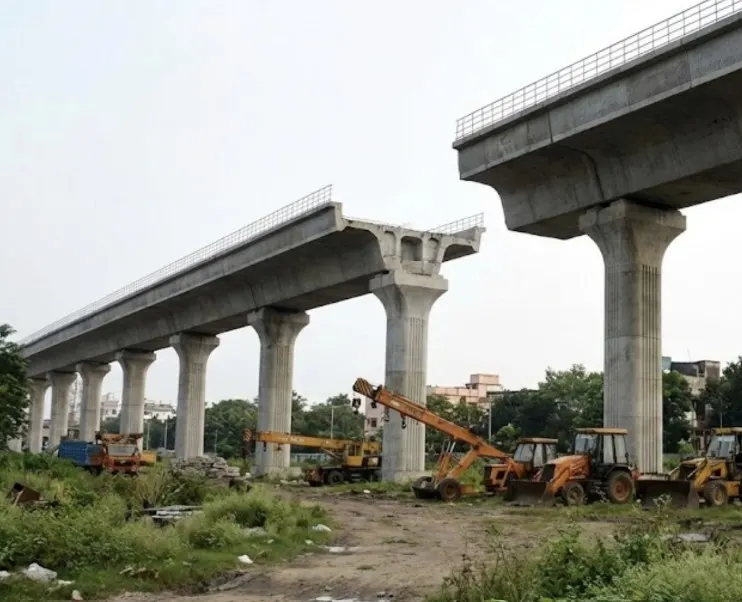
Authorities noted that the unsold pieces of land are concentrated in highly populated areas and thus, negotiations and rehabilitation efforts are complicated and time-consuming.
Major Corridors Facing Delays
The land problems are plaguing both the East-West Metro and the New Garia Airport line, a flagship project that is also supposed to link the southern suburbs to the Netaji Subhas Chandra Bose International Airport.
The stalled segments are:
- Parts of the airport alignment
Underground sections under residential zones - Approach points near interchange stations
An official at a transport department opined that, unless land is actually transferred to agencies, no expected pace can be made in the completion of tunnelling and elevated works.
Read also:
- Indigo flights cancelled
- Half a Million Digital Lives Suspended
- Elon Musk’s company is launching an IPO soon
- The top five electric vehicles
- Bharat Gaurav Trains 2026
Authorities Cite Negotiations With Landowners
Metro Rail authorities indicated that they have been negotiating with private landowners, commercial premises, and housing cooperatives whose premises are subject to the final alignment requirement. The process has been slowed down by compensation, entitlement, and valuation issues, which are the rehabilitation issues.
Authorities have also said that heritage buildings and religious sites along alignment areas have been a further problem. Proposals for relocations require the consent of more than one property owner in multiple pockets, an official said.
Although some areas have been close to completion, linking viaducts, station-entry points, and underground construction is not possible without acquisition clearance.
Cost Escalation and Timeline Uncertainty
The delays have already been translating into the rising project spending. As civil work decelerates, project authorities believe that the new cost overruns associated with the materials, contractor retention, and changed environmental compliance may add significant amounts to overall expenditure.
Initially planned to be completed within the present decade, the metro system will most likely extend much further than originally estimated. One of the senior engineers said even 2027-28 might prove to be optimistic on the complete commissioning of the corridor, should land issues continue for one more year.
Impact on Commuters and Urban Mobility
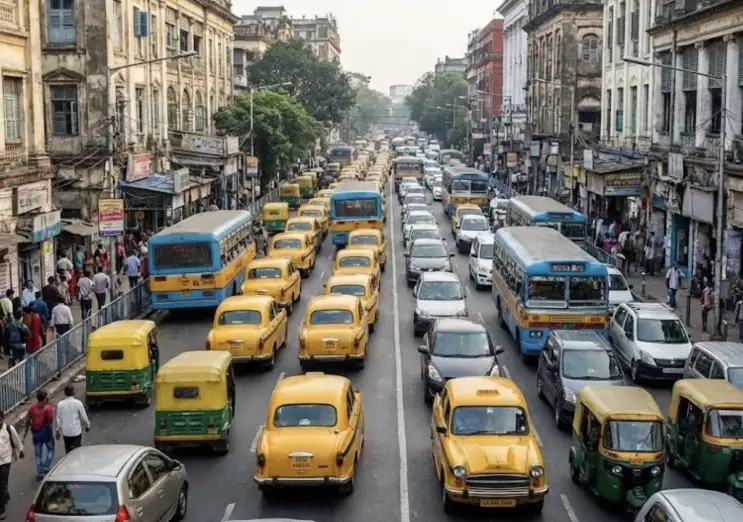
According to the transport experts, the long delays are frustrating the attempts by Kolkata to solve the traffic jam and enhance the connectivity between the suburban and metropolitan areas in the city. The metro development was expected to reduce a large part of road travel, especially between the airport areas, Salt Lake, Howrah, and the residential areas of the south.
The commuters still use overloaded road transport, and an increased vehicle traffic has maintained congestion in the rush hours, even with incremental metro openings at other stretches.
Political and Administrative Sensitivities
The issue of land acquisition is still a politically sensitive issue in West Bengal. The government has been wary after the past demonstrations by citizens in the industrial estates. Although the state government has reiterated its commitment to move forward with metro expansion, politics has stalled implementation in contentious localities.
The administrative coordination of the central agencies, state authorities, and units of Metro Rail Corporation is also essential to open the blocked links, officials added.
Urban Planners Stress Need for Faster Decision-Making
Planners of urban mobility say that Indian metro projects need better land policy frameworks that prevent recurring delays that have been experienced in Kolkata, Bengaluru, and other major cities. According to experts, community involvement and clear stipulations on compensation at an early phase of the project acquisition are critical to ensuring that the project plan is implemented in time.
Until now, over 20 km of the proposed Kolkata Metro network is in a limbo state as its land issues remain unsolved, even as many years go by with deferrals to a major urban transport lifeline that the city has been waiting half a century to see fully installed.
