


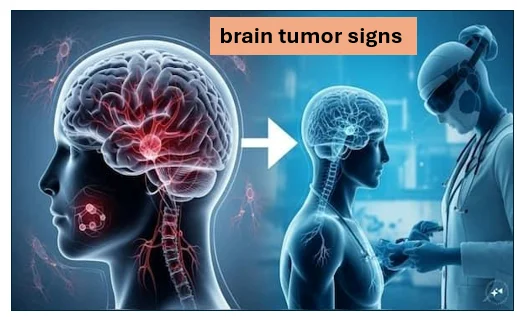
Severe head pain, seizures or sudden change in neurological activity are strong indicators that you could have a brain tumor, but medical experts (i.e., neurologists) caution that the first signs of a possible brain tumor can be subtle and easily misinterpreted as something else like normal daily living problems. The symptoms often develop slowly, and many people tend to ignore them or attribute them to other daily occurrences like stress, anxiety or just being tired.
Understanding the Importance of Early Detection
Medical professionals emphasize the importance of paying attention to the gradual and unexplained changes in your physical, thinking and emotional well-being as these can all serve as extremely valuable in the early identification and treatment of tumors. Although these changes may not specifically tell you that you have a tumor, keeping an eye on them and their progression is advised.
Latest published :
- Pelvic floor dysfunction A common issue that’s often ignored
- Preventive healthcare and early detection revolution
- Mental fitness and neuro-wellness Achieving a long term healthy lifestyle
Persistent Headaches Beyond the Ordinary
Signs of extended headaches beyond normal experience (or duration) are common signs associated with brain tumors. However, neurologists also recognize that the vast majority of patients with brain tumor-related headaches do not experience severe headaches at the onset of their tumors (i.e., their headaches are often misidentified or under-identified as migraines, tension headaches, or the result of stress).
Specific signs of a brain tumor can include increased frequency or alteration of the headache itself (e.g., different than past headaches). Headaches that are typically increased in severity upon waking, increasing in severity over time or associated with nausea and vomiting should prompt patients to seek immediate medical attention.
Occasional headaches are common, but persistent headaches that do not respond to conventional treatment should be investigated.
Changes in Vision Are Frequently Overlooked
Vision problems could be one of the first signs of a brain tumor, especially when the tumor is in an area of the brain that processes vision or exerts pressure on the optic nerve.
Symptoms can be blurred vision, double vision, a short loss of peripheral vision, or episodes of visual disturbances with no known cause. Because the changes in vision may occur gradually, the individual may think they simply need new glasses or are experiencing eye strain.
Neurologists recommend consulting with a doctor about any visual changes that continue after corrective lenses, or visual changes that are accompanied by other neurological symptoms.
Difficulties with Memory and Concentration
A decline in cognitive function is another common sign of a brain tumor that can go unnoticed. Brain tumors can affect areas of the brain responsible for memory, attention, reasoning, and problem-solving.
For example, someone may forget routine tasks, have difficulty focusing on conversations or have difficulty completing tasks that were previously manageable. Family members often see these changes before the person experiencing them.
Many people associate memory issues with stress, lack of sleep, or the aging process and may not consider it to be a potential neurological issue.

Personality and Mood Changes
Brain tumors can alter a person’s behaviour/emotions even before physical signs occur – neurologists suggest. Depending on the position of the tumour, a person may become irritable, anxious, depressed or emotionally repressed.
Some people can demonstrate impulsivity, poor decision making or demonstrate a change in personality which is out of character. People often attribute these behaviours to mental health or the pressure of life.
Experts stress the importance of consulting a medical professional if there is a sudden unexplained change in behaviour, especially if other neurological signs are also present.
Problems with Balance and Coordination
Difficulties maintaining balance or coordinating movement can be an early warning sign of a brain tumour. Tumours affecting the cerebellum and/or large aereas of the brain may disrupt the ability to control movement.
An individual may also stumble frequently, feel dizzy, clumsy, or be unable to perform certain tasks requiring fine motor skills. These symptoms are often attributed to being tired, having an inner ear condition, or having normal signs of ageing. If coordination problems persist, or are worsening, then neurological assessment is important.
Unexplained Nausea and Vomiting
While nausea and vomiting can often be related to problems with the digestive system, they can also occur due to increased pressure in the brain from a growing tumor.
If a neurologist observes morning nausea and there are no explanations for it from the gastrointestinal tract, they may want to perform additional testing. Other symptoms that neurologists look at together with nausea to determine if additional testing should be done are headaches, visual disturbances, and problems with balance.
Stomach illnesses are more common than tumors, so many people dismiss this symptom as part of their illness instead of getting tested for a brain tumor.
Seizures In Individuals Who Have Never Had A Seizure
The presence of a first seizure is one of the most concerning neurological symptoms because they typically only happen to those who have a history of epilepsy or other seizure-related disorder. Tumors can cause abnormal electrical activity in the brain, which could trigger a seizure in any individual.
Seizure activity may be generalized tonic-clonic (i.e. body shaking) or localized (i.e. confusion, unusual feelings, staring into space, or involuntary movements).
The occurrence of a seizure, regardless of whether or not it was witnessed by someone else, should result in a prompt medical evaluation.
When To Get Medical Care?
According to neurologists, most cases of headache, memory lapse, and dizziness are not associated with a brain tumor. What neuropathologists are worried about is persistence, progression, and the presence of multiple symptoms at the same time.
Identifying neurological issues early can affect what approaches are available for managing the issue as well as the outcome of management; individuals who are experiencing any progressive neurologic changes (eg symptoms getting worse over time or impacting daily activities) should seek an evaluation from a medical provider.
By being aware of warning signs that are frequently missed, a person will have the opportunity to receive prompt medical care and possibly diagnose a significant medical condition prior to the condition advancing in severity.
