


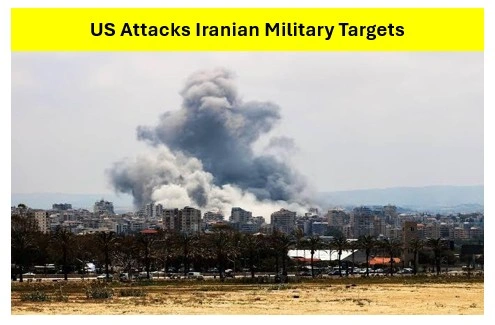
The U.S. has conducted additional airstrikes against Iranian sites that could be viewed as overtly non-peaceful acts by Iran. U.S. official sources reported these strikes were made against radar and drone command systems that had been established by Iran close to Qeshm Island and southern parts of Iran, as well as against an Iranian air force base approximately 200 kilometers inside Iran’s borders, and naval facilities on the opposite side of the Strait of Hormuz from Qeshm.
The recent spate of U.S. airstrikes come on the heels of expanded animosity that has developed between Iran, the U.S., and their respective allies in the Persian Gulf region due in large part to U.S. provocations against Iran and its proxies in other parts of the world, including U.S. and allied military operations conducted in South-West Asia (SWA), as well as attacks by U.S. proxy forces against Iran-backed proxy forces in Iraq and Syria through military and indirect (i.e., by means of U.S. airpower) means.
Fresh Strikes Deepen Regional Crisis
Iran’s leaders reacted quickly to the U.S.’s airstrike operations by directing their military to attack U.S. military facilities located in the Persian Gulf using missile and drone systems to target U.S. military bases established there. Although U.S.-backed regional air defense systems successfully interrupted some Iranian missiles and drones that were launched at U.S. military facilities, Iranian military officials warned that if additional U.S. airstrike operations are conducted against Iran, the Iranian military will respond with additional missiles and drones.
Iran claims that U.S. strikes were a breach of present diplomatic negotiations and an act of hostility. Iran also claims that military action taken by Iranian forces has occurred as a means of retaliation and defense against attacks upon its own sovereign land.
The exchange illustrates just how tenuous current ceasefire agreements have become. Though diplomatic ties still exist, repeated instances of military-interaction have resulted in increasing apprehension regarding negotiating may eventually suffer collapse.
read also: Japan stops importing mangoes after 20 years
Strait Of Hormuz Still At The Forefront Of The Crisis
The security of the Strait of Hormuz, which is a narrow shipping channel that serves as an avenue for moving a significant portion of the world’s oil supply is one of the most serious points of concern stemming from the latest military altercation between the U.S. and Iran.
Iran has issued several notices that continued military pressure on its part could lead to restrictions placed on maritime navigation through the Strait of Hormuz. Reports have surfaced on Monday detailing that Iran is currently considering further restrictions as they relate to shipping lanes, creating fears among governments around the world and within the energy industry.
Any impediment of shipping activity in and around the Strait of Hormuz would have serious ramifications for the energy supply chain globally; furthermore, any disruption of shipping would negatively impact world trade, in some cases, very significantly. Per security analysts, even isolated incidents of military conflicts occurring in the vicinity may result in far-reaching negative economic impacts on an international level.
read also: US conducts self defence strikes against Iran
Oil Markets React Sharply
The financial markets of the Gulf area were depressed by the latest military activities. The investors were hesitant in their reaction to rising concerns of a wider regional war.
Oil prices jumped up dramatically when there were reports of missile strikes and threats to maritime traffic. Traders were starting to factor in nerves about supplies, as both Brent Crude and WTI Crude recorded large increases in value. Some analysts are now saying that another period of prolonged instability could drive prices even higher if the situation continues to escalate.
The stock markets in Saudi Arabia, Qatar and Abu Dhabi were also down, as uncertainty spread through out the region as well. Financial analysts are predicting that investors will continue to lack confidence until more evidence of de-escalation occurs.
Diplomatic Efforts In Jeopardy
This new fighting will jeopardise the ongoing diplomatic efforts to ease tensions between Washington and Tehran. In total there have been numerous rounds of indirect negotiations focused on regional security issues and the management of the broader regional conflict.
However these new military actions are placing an enormous strain in these discussions. Iranian government officials have made strong statements say that continued attacks could result in the suspension of any further negotiations, whilst American government officials have made it clear that the military operations are essential to the protection of United States citizens and facilities in the region.
European governments and Gulf states are urging all parties involved to exercise restraint. Many fear that the uncontrolled escalation of violence could draw in additional countries, armed groups, and create a much larger regional crisis than currently exists.
The Threat of Larger Conflict is Growing
Military experts believe that the multiple military operations and strikes currently being carried out on both sides constitute more than just one single military operation. There are many theaters of war currently active within this conflict, including the maritime, drone aviation, and multiple regional proxy groups, and cross-border missile strikes.
Analysts from strategic research centers believe that Iran is likely to undertake retaliation through a mix of cyber attacks, maritime pressure, proxy militias, and additional drone operations. Any one or more of these acts of retaliation may broaden the current conflict beyond the Gulf region and impact neighboring countries that are either currently hosting U.S. military facilities or maintaining U.S. interests in other ways.
As military activity continues to escalate and diplomatic efforts continue to deteriorate, the Gulf region is now entering one of the most dangerous periods the region has seen in several years. How the latest bout of violence between Washington and Tehran is resolved, or does not get resolved, will ultimately determine if it remains a localized conflict or escalates into a large-scale regional conflict.
