


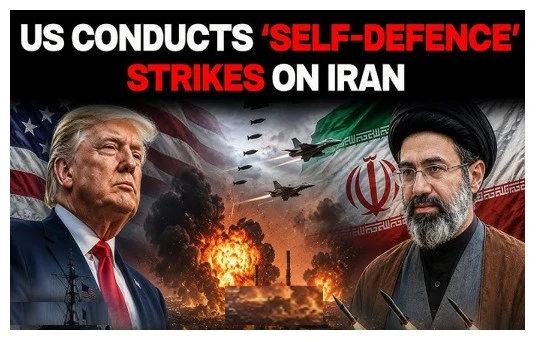
The United States has conducted new military operations in southern Iran’s regions and labelled the operation as “self-defensive” while protecting its troops and maritime security within the Gulf region. This is occurring at a very sensitive time, with reports of ongoing diplomatic talks between Washington (D.C.) and Tehran in Qatar.
Missile Sites and Mine-Laying Boats Were Targets
According to the United States (U.S.) Central Command (CENTCOM), the strikes involved attacking Iranian missile launch sites and vessels that were reportedly attempting to deploy waterborne mines in and around the Strait of Hormuz. CENTCOM stated that these Iranian actions posed direct threats to U.S. navy vessels and marine commerce moving through a strategically located maritime transportation route.
Media reports indicated that explosions were heard in the vicinity of Bandar Abbas and its surrounding coastal areas. Iranian media also reported that many members of the Iranian Revolutionary Guard sustained injuries but have not yet provided an exact casualty count.
read more: Donald Trump to Undergo Medical Examination
Strait of Hormuz Remains at the Focus of Tensions
The Strait of Hormuz through which the majority of global oil distributions occur is yet again at the centre of increasing tensions. The U.S. has accused Iran of attempting to interrupt local marine traffic by deploying mines and threatening commercial vessels. Iran has denied these allegations.
Experts in security and safety have stated that any disruption in the Strait may affect the worldwide oil markets and lead to further disruption in the Middle East. Reports suggest that oil prices increased due to the strikes due to concerns about further escalation in the situation.
read more: Why is Pakistan renaming places with Hindu names?
Negotiations Continue Despite One Side’s Experience of Attacks
It is worth noting that the strikes took place while discussions were continuing between Iranian and U.S. representatives in Qatar and that President Donald Trump stated these talks were “going well” and senior American officials indicated that military action would not affect diplomacy.
People who have knowledge of the negotiation discussions indicate that the primary topics of discussion include reopening maritime channels, reducing tensions in the gulf, and addressing worries regarding Iran’s nuclear program. Reports suggest that sanction removal and releasing Iranian assets currently frozen are being discussed.
Iran’s Reaction to the Strikes
Iran condemned the strikes and stated they were an act of aggression against international law. Iranian officials also stated the US is undermining the peace process and increasing military action during one of the most critical stages of diplomacy. Iranian state-run media stated that the targets of the attacks were not just military targets but also included many areas that have civilian infrastructure located near them.
Tehran has consistently warned that further military activities conducted by both the United States and its allies could lead to retaliatory action and destabilise the entire area. Tehran also stated they are enhancing defensive readiness at key military bases and facilities situated within Iran.
Global Powers Express Concern
The latest strikes continue to spark the growing level of worries amongst the global community due to the drastic expansion of military fighting across the Middle East. Analysts are concerned that the continued confrontations of a military nature could jeopardise ongoing ceasefire agreements and move countries to a point where they are at risk of engaging in a broader war.
Several countries have called upon both Washington and Tehran to exercise restraint and focus on negotiations and diplomacy. At the same time, international observers continue to closely monitor the events taking place within the Strait of Hormuz, which is one of the world’s most strategically positioned maritime transits.
What Will Happen Next?
Although United States officials maintain that the strikes were limited and defensive in purpose, the incident has illustrated the fragile status of the current ceasefire. It is expected that with military preparations occurring in parallel to the diplomatic process, the next few days will ultimately decide whether the Middle East is able to de-escalate or whether a renewed cycle of conflict will continue.
