


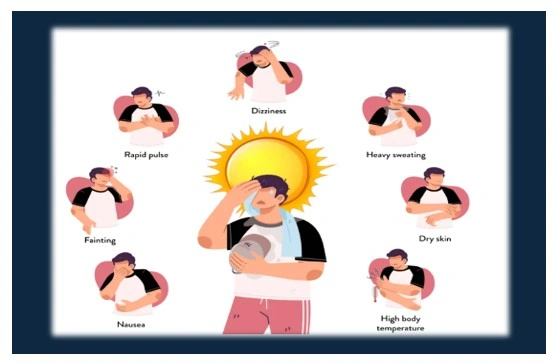
If your body becomes too hot for a prolonged period of time and can’t regulate its temperature properly, you have the potential to develop a number of different heat-related illnesses, including mild heat exhaustion and very serious heat stroke. Most instances of overheating occur when people are exposed to excessively hot temperatures, during periods of high intensity exercise, when dehydrated, or spending extended amounts of time in poorly-ventilated areas. By being familiar with the possible early warning signs of overheating you can potentially avoid any serious complications that may occur.
Increased Amount of Sweating
Heavy sweating is usually one of the first indications that the body is experiencing overheating. Sweating is the natural way your body cools itself down by releasing heat through your skin; Therefore, if you are sweating more than you typically would with very little physical activity then it is likely that your body is struggling to cool down.
In cases of severe overheating or heat stroke, heavy sweating may dissipate entirely and leave your skin feeling warm and dry. This is an indication that you should seek immediate medical assistance.
Dizziness or Feeling Light-headed
When an individual overheats, their blood pressure decreases significantly and their circulation is affected. Dizziness and/or feeling light-headed are common side effects because the decrease in blood pressure and heat stress decreases the amount of blood flowing to the brain. You may feel as though you are unable to maintain your balance while standing up, may have blurred vision and may feel as though you are going to faint.
In many instances, this occurs due to the severe levels of dehydration and heat stress reducing the amount of blood that reaches the brain. If you have mild dizziness, moving to a cooler environment and drinking fluids while resting may help alleviate your symptoms. However, if you experience ongoing dizziness, you should see your healthcare provider as soon as possible.
you may also like:
- Study reveals exercise reshapes the brain
- Why is summer heat so dangerous? Tips to protect yourself this season
- The five best accessories that you can carry for a vacation
- 5 ways to hydrate your skin this summer
Headache and Mental Confusion
When you suffer from overheating, you may experience a throbbing headache. Blood vessels can expand due to heat or dehydration and create head pain. Some people will have trouble concentrating, may be irritable or confused, and may also have unusual amounts of fatigue.
Confusion is particularly troubling when associated with heat-related illness because it can be indicative of heatstroke, which is an emergency where body temperature becomes dangerously elevated. If an individual shows signs of confusion in addition to disorientation or inability to respond to you appropriately, emergency medical assistance should be sought immediately.
Rapid Heartbeat and Breathing
The heart works harder to cool you off when the body has overheated, thus your heart rate may be rapid and you may feel your heart pounding. Your respiration rate will also increase when you overheat.
Weakness and fatigue may also be evident during an episode of heat-related illness where elevated heart rate does not diminish after rest and following exposure to cooler temperatures.
Muscle Cramps and Weakness
Heat cramps are painful muscle spasms that usually affect the legs, arms, or abdomen. Heat cramps may develop following excessive sweating, which causes the individual to lose a significant quantity of essential minerals including sodium and potassium.
You may also feel excessive weakness and fatigue and find it increasingly difficult to perform physical activity. The following steps should then be taken to treat an episode of heat-related illness: stop activity, cool down, and replace fluids/electrolytes.
Nausea or Vomiting
The heat where you hot or flushed feel can also indicate too much body heat. You may have red and sweaty skin when you only have mild overheating. If you are suffering from severe conditions (i.e., heatstroke), you will likely have dry, flushed, and very hot skin.
Hot, flush skin
If your body temperature is above normal and there is hot skin, this means that your body cooling system has failed.
Extreme Fatigue or Fainting
You will typically experience extreme fatigue and lack of energy during periods of extreme heat. You may feel fatigued or exhausted after doing very little physical activity. If you are in an extreme heat situation, fainting may occur if your brain is not receiving enough blood that is oxygen-rich.
If you experience fainting while in the heat, you should take this seriously, especially if this is accompanied by confusion, chest pain, or difficulty breathing.
How to Prevent Overheating?
To prevent heat injuries, drink lots of fluids, wear light clothing and stay out of the sun during the hottest parts of the day. Also make sure to take plenty of breaks in shade or an air conditioned building while not doing physical activities during high temperatures.
Due to their age, health or an ongoing illness, children, seniors and those with chronic illnesses may be more susceptible to being injured from heat exposure. Monitoring yourself for early warning signs of heat related illness can keep you safe during extreme heat.
