


On Wednesday, the largest airline in India, IndiGo, reported that it is cancelling additional flights in the next two to three days as it still attempts to deal with a disastrous shortage of pilots and operational interruptions. The airline has also petitioned aviation authorities to grant the carrier a temporary waiver on flight-duty timing regulations (FDTL) until February 10 by stating that it needed flexibility to smooth out scheduling.
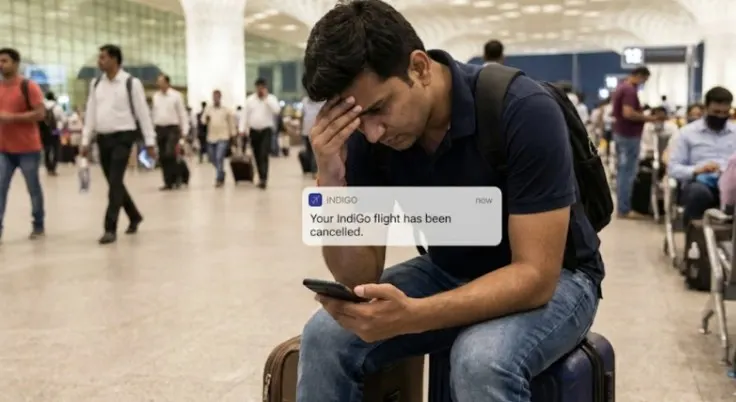
The cancellations follow a week of turbulence in the Indian aviation industry, with passengers complaining of long queues, changes of plans, and congested airport terminals.
Airline Cites Pilot Shortage and Recurrent Fatigue Issues
Company officials attribute the recent increase in capacity problems involving pilots (some of which can be attributed to the changes in rostering, fatigue-related restrictions, and slower-than-anticipated training processes) to the need to temporarily reduce its network.
IndiGo sources claimed that the carrier has been flying full during the winter rush, extending pilot work hours and leading to the rise in fatigue complaints. The further restriction of FDTL standards, which was supposed to be a measure to enhance the safety and well-being of crews, weakened the capability of IndiGo to allocate pilots on a short-notice basis.
The airline insists that the interim scale-back will allow for avoiding more hectic disturbances and the introduction of a safer schedule that is predictable.
Read also:
- Hidden Economy
- Which Indian city has the fastest luxury home price rise?
- Rs 90 to a Dollar
- Zoho CEO Sridhar Vembu wants India to hire people
Request for Exemption Till February 10
IndiGo has formally requested the Directorate General of Civil Aviation (DGCA) to relax the FDTL rules temporarily to help cope with the existing crunch. Provided, the exemption would continue until February 10 to allow the airline space to restructure rosters, reintroduce pilots who were on training cycles, and revise operational plans.
According to industry sources, such exemptions are not new. DGCA will consider the request in light of safety standards, passenger impacts, and the airline’s overall performance.
Aviation analysts warn that any relaxation should be tempered by the risk of crew fatigue, since the industry’s history has shown that long hours can lead to accidents.
Passengers Face Disruptions Across Major Airports
The cancellations have caused a lot of inconvenience to travellers, particularly in the large airports in Delhi, Mumbai, Bengaluru, and Hyderabad. There are videos and pictures of congested departure halls, long queues at check-in, and a lack of communication by the ground staff posted by passengers.
IndiGo has recommended to its passengers to ensure flight status is checked beforehand, with an assurance that the affected clients will be refunded, have the option of rebooking, or an alternative way to travel.
Nevertheless, grievances on social media are on the increase, and numerous demands are being made for tighter regulation and identity-based compensation policies in case of mass cancellations.
Aviation Ministry Seeks Clarifications
The Ministry of Civil Aviation has been demanding an explanation of the extent of disruptions and what IndiGo has done to warn passengers, as well as how they intend to avoid additional problems with their operations. The officials have also asked the contingency plan to be available in case the pilot shortages are prolonged beyond the anticipated time.
The DGCA is keeping a close check and is likely to make more advisories. According to some aviation analysts, the regulator might demand that IndiGo downgrades to some scheduled capacity level to be able to make sure that the rest of the flights run in a reliable manner.
IndiGo Says Situation Will Stabilize Soon
Despite widespread disruptions, IndiGo has reassured people that flight operations will normalise within a matter of days. The airline underlined that the cancellations were proactive steps aimed at avoiding the last-minute confusion and providing safety compliance.
With a fleet of over 2,000 flights per day, the carrier is optimistic that full network operations will be realized after the roster is adjusted and pilot availability is enhanced.
