


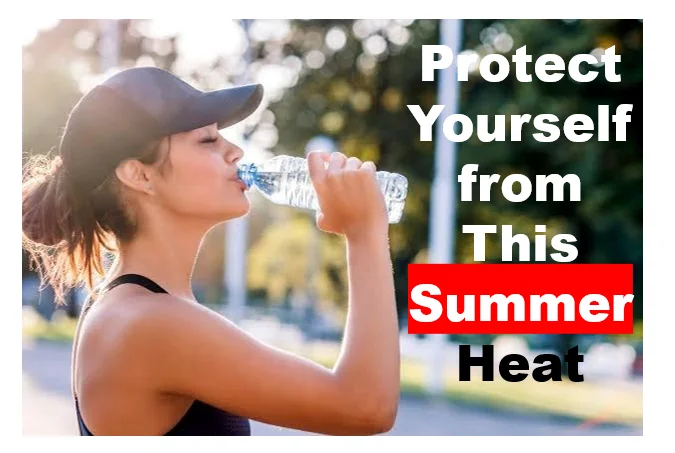
As we move into the summer months, rising temperatures will make heat-related illness a significant health issue in many parts of the world. Extreme heat is very uncomfortable, but it can also pose a risk to health; and in some cases, extreme heat can be life-threatening. Each year, people suffer from dehydration, exhaustion, or severe medical complications due to heat waves, particularly children, older adults, and individuals that work outdoors.
If you understand the effect that heat has on the body and know some basic ways to protect yourself from heat-related illnesses, you can help keep yourself safe during the hottest part of the year.
What Makes Extreme Heat So Dangerous?
The human body is designed to keep its internal temperature at a constant level (about 37° C (98.6° F). When it becomes hot out, the human body will naturally keep itself cool through perspiration. When the outside temperature is very high, or if the humidity is high, our bodies cannot adequately cool themselves through perspiration.
Heat can lead to excessive fluid loss, a salt imbalance, or to an increased workload on the heart and kidneys. In addition, an extended period of exposure to high heat can lead to serious illnesses such as heat exhaustion or heat stroke.
With climate change, heat waves are occurring with greater frequency and intensity, which makes this summer’s safety an even bigger issue.
Heat Exhaustion
Excessive fluid and salt loss can cause overheating and lead to heat exhaustion. Symptoms can include:
- Profuse sweating
- Abnormal low energy levels and physical fatigue
- Feeling faint
- Head, body, or stomach pain
- Feeling nauseous.
- Increased heart rate.
Heat exhaustion can advance into heatstroke if it is not treated.
Heatstroke
Heatstroke is a critical medical emergency that occurs when our body temperature reaches dangerously high levels.
Symptoms may include:
- Fever or elevated temperature
- Confusion/disorientation
- Dry/chilled skin; scant to non-existent sweating
- Convulsions or seizures
- Unconsciousness
When evaluating whether or not to seek medical assistance immediately for heatstroke, remember that damage to the brain, kidneys, and other key areas of the body can occur very quickly after suffering from this condition.
Who is most at risk?
Although everyone is vulnerable to heat-related illnesses, some populations are more susceptible than others due to health complications or physiological properties that leave them vulnerable to losing too much fluid/water quickly/losing too much salt, etc.
- Old adults
The aging process also impacts the body’s ability to regulate temperature; many older adults also have chronic medical conditions (such as diabetes or heart disease) that further increase the sensitivity of their bodies to extreme temperatures.
- Children
Children are at a greater risk than adults to become dehydrated quickly because their bodies heat up faster than adults’ do.
- Outdoor workers and athletes
Individuals who are outside (working, exercising) are exposed to direct sunlight and physical exertion, which significantly increases the chance of becoming overheated.
- People with medical conditions
People diagnosed with diseases and/or disorders (heart disease, diabetes, COPD, obesity, etc.) may find it more challenging to cope with extreme temperatures.
Warning Signs You Should Never Ignore
To prevent severe consequences from heat stress, it is essential to identify its early symptoms. If you notice someone suffering from the following signs, seek medical attention as soon as possible:
- Fainting
- Trouble breathing
- Confused state
- Vomiting that won’t stop
- Chest pain
- High fever
If you’re very ill from heat exposure, don’t delay in getting help.
Read also: The Best Beauty Home Tips for Summer 2026
Things You Can Do To Help Yourself in the Summer Heat
1. Hydrate
The best way to avoid a heat-related injury is to drink adequate amounts of water every day. Do not wait to be thirsty before you drink.
Try to:
- Drink fluids frequently throughout the day.
- Drink lots of water if you’re doing an activity outdoors.
- Limit alcohol and caffeine drinks as both can lead to dehydration
2. Avoid the Hottest Times Of the Day
The sun is the hottest between 11:00 a.m. and 4:00 p.m. Whenever possible, try to schedule your outdoor activities, such as work, exercise, and traveling, during the early morning or late evening hours.
When you must be outside during the hottest times of day, take frequent breaks in shaded or cool areas.
3. Wear Lightweight Clothing
Wearing lightweight and loose-fitting clothing enables the body to maintain a lower temperature through efficient evaporation of perspiration.
Choose clothing made with cotton or moisture-wicking fabrics, also wear sunglasses and a wide-brimmed hat to help protect yourself.
4. Keep Your Home Cool
Heat damage can also occur from above normal indoor temperatures. some tips for reducing indoor heat are as follows:
- Keep curtains and/or blinds shut during the day.
- Open windows during the coolest hours of the evening.
- Use fans (if available), or air conditioning, to help cool down the air.
- if your house becomes too hot, find a public cooling centre, such as a shopping centre or library, and spend some time there.
5. Eat Lightweight Foods
Heavy food can create heat in your body and be harder to digest on hot days. Have light foods like fruit, salads, yogurt, and vegetables that have a high water content.
Fruits such as watermelon, cucumber, and orange are especially refreshing during the summer months, as is coconut water.
6. Protecting Your Skin
In the heat of the sun, you are at risk of a severe sunburn, as well as being at risk for skin injury long-term. Before you go outside, apply sunscreen with a minimum of sunscreen factor 30. If you get extremely sweaty, reapply every couple of hours.
7. Remember to Check On Others
In a heatwave, checking on family, friends, and anybody else who might need assistance, could save a life. Make sure they have access to water, shade, and/or cooling facilities.
Animals also need protection from heat! Always give your pet fresh water, and never leave a pet or child inside a parked vehicle. Even a minute or two can result in serious injury and/or death.
Read also: 5 ways to hydrate your skin this summer
Final Thoughts
While summer may be a wonderful time of year, you should never underestimate the dangerous effects of severe heat. Heat-related illnesses may occur and may take a significant amount of time to develop. If left untreated, they may also be serious in nature. In order to keep yourself safe, it is important to stay hydrated, avoid excessive sun exposure, and be aware of the signs and symptoms of heat-related illness.
By using basic precautions and taking precautions to be aware of the environment and potential dangers associated with heat, you will be able to keep both you and your family members safe this summer.
