


Most of the time, people think that memory loss or cognitive decline just happens out of the blue. They forget names, lose things, or have trouble remembering recent conversations. The first clues might come from a surprising place, though, according to new studies: how you drive.
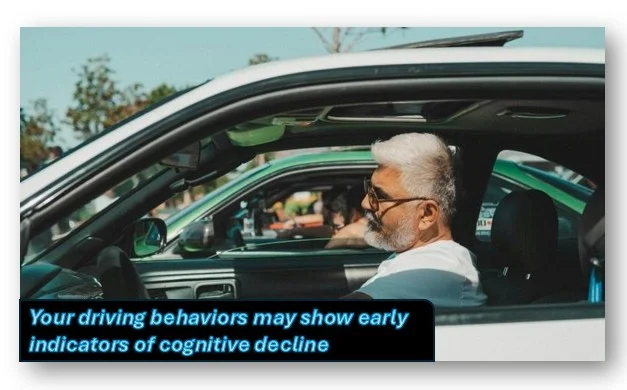
It takes a lot of brain power to drive. You have to pay attention, remember things, understand space and what you see, make quick decisions, and move your body in the right way. People may change how they drive without realizing it if these skills start to get worse. These changes in how we drive can show us early signs of brain problems, sometimes years before doctors can see them.
A new study in Neurology looked at how about 300 older people drove in real life for three years while GPS devices were in their cars. The researchers found strong links between early signs of mental decline and changes in the way these people drove. A study from Washington University School of Medicine found that people who later developed mild cognitive impairment (MCI) tended to drive less often, not at night, and only take roads they knew well. A lot of people also didn’t want to go to new places, chose faster routes even when they weren’t necessary, or felt less comfortable in busy streets.
Also read : Deadly Test Run in Kunming Leaves 11 Rail Workers Dead
How these changes show up in real life
According to experts, the first signs are generally not very obvious. Families may notice that a loved one doesn’t want to drive after dark, says the roads are “too confusing,” or doesn’t want to take the highway. Some people may need more time to get around in neighborhoods they know, miss turns, or have trouble merging, stopping, or changing lanes.
These changes usually happen because people are getting older, losing confidence, or having trouble seeing. But a new study shows that a pattern of these changes could be a sign of bigger changes in the way people think. It’s important to note that these symptoms do not necessarily mean that someone has dementia or Alzheimer’s disease. However, they may suggest that they should see a doctor.
Why driving habits are a good early indicator
People usually get traditional memory tests when they start to notice signs. But driving habits show how people act in real life, which makes them a useful “digital biomarker” of brain health. Doctors can help more quickly when they see problems. They can help you talk things out, make changes to your lifestyle, deal with long-term health problems, and plan for the future.
Get a brain exam if you or someone you know is showing long-lasting signs.
Move your body, eat well, get enough rest, keep your mind busy, and stay in touch with other people to keep your brain in great shape.
FAQs
How can the way someone drives show early signs of Alzheimer’s?
Changing your driving habits, like not driving at night, sticking to known routes, or driving less often overall, can be a sign of early cognitive loss, sometimes before other symptoms show up.
What exact changes should I look out for when I drive?
If someone doesn’t want to drive at night, gets lost on known roads, stays away from highways, takes unnecessary short routes, or feels uncomfortable in heavy traffic, these are all signs.
Should I worry if I see these changes in the way I or someone I care about drives?
Age-related changes, eye problems or low confidence can cause these kinds of changes, but a trend of these behaviors may mean that you need to see a doctor to rule out more serious brain problems.
What should I do if I see these signs?
Watch out for driving problems that don’t go away, get a cognitive evaluation if needed, and keep your brain healthy generally by staying active, eating well, getting enough rest, keeping your mind active and making social connections.
