


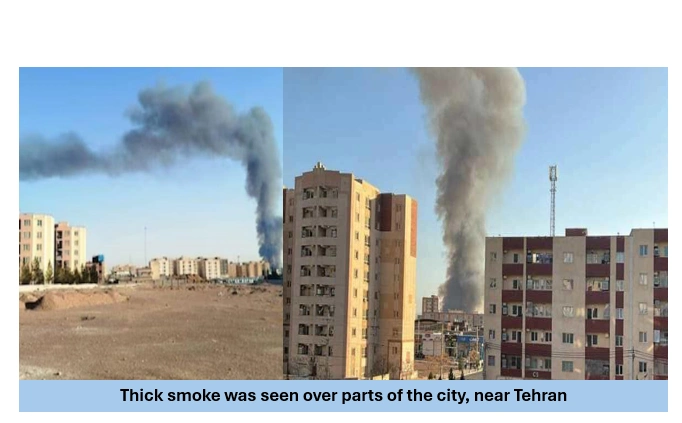
On February 18–19, a major explosion and fire occurred in Parand, a city in Iran located approximately 30 kilometres southwest of the capital. Eyewitnesses were alarmed by the thick black smoke spreading from the fire, especially considering how both Iran and the United States are engaged in ongoing negotiations over nuclear weapons. Reports describe the blaze as being adjacent to military and other strategic sites; however, Iranian authorities claim the smoke was caused by burning reeds nearby, and they are still trying to put out the fire. There are no official reports of injuries or significant damages resulting from this incident as of yet.
The Fire Incident Occurs Amid US–Iran Tensions and Indirect Nuclear Negotiations in Geneva
The fire incident occurred while US and Iranian representatives were continuing indirect negotiations concerning Iran’s nuclear programme in Geneva. While some progress has been achieved (such as agreement on “guiding principles”), further substantive progress with respect to issues such as uranium enrichment and ballistic missile development has proven elusive. Both sides are facing increasingly difficult political boundaries to engage in any future negotiations (i.e., “red lines”). Furthermore, the lack of meaningful progress in diplomatic negotiations has also coincided with a marked increase in the presence of US military forces in the region and throughout the globe (e.g., increased naval deployments) as Washington continues to signal a willingness to utilize force against Iran if it does not cease its prohibited activities.
Global Reactions and Diplomatic Warnings
With the ongoing military conflict, Russia has recently warned the U.S. of serious consequences if they were to strike Iran again, as well as to demonstrate restraint. These warnings from Russia demonstrate widespread concerns among many nations that a military conflict in one country could lead to regional instability throughout the Middle East.
Defensive Actions Taken by Iran and Strategic Moves
Images taken from satellites show that Iran is enhancing and repairing critical military and nuclear facilities such as the Parchin Military Complex, the Nuclear Site in Isfahan, and the Natanz facility. Construction of fortified underground complexes and buried access points indicates that Iran is taking precautions against potential airstrikes or special operations while tensions continue to exist between Iran, the U.S., and Israel.
The defensive preparations undertaken by Iran demonstrate that Iran intends to preserve and protect its vital infrastructure, which has previously been the subject of attack or destruction in past conflicts. Information about the explosion reported near Tehran has raised speculation as to whether or not it is connected to Iran’s preparation for possible hostilities with others; it is now under investigation.
Economic Impact: Oil Markets React
The rise of geopolitical risks has had an immediate effect on global oil prices as they have gone up due to market speculation on the supply disruption possibility. Concerns are raised around potential disruptions of Iranian oil exports or shipments being impacted by conflict-related events, including transiting through the Strait of Hormuz, which is one of the main transit points for approximately 20% of the world’s crude oil.
Any further deterioration between the US and Iran relationship, particularly if military actions escalate, could consequently affect energy capabilities and economic stability beyond the region.
Why Did Tensions Increase?
While the continuing investigation of an explosion in Tehran province does not presently relate to military acts, the broader picture is defined by several months of continuous nuclear tensions:
Iran is currently enriching uranium at a much higher level than it was permitted to under previous treaty agreements and is now much closer to weapons-grade enrichment levels than it has ever been before. This has caused considerable angst in the international community.
The United States has been very publicly adamant that Tehran must make significant concessions to the US including cessation of uranium enrichment and allowing much more extensive inspections than is currently allowed.
Additionally, prior confrontations, including air strikes by both the United States and Israel against Iranian nuclear and missile facilities, have already increased suspicion and uncertainty about future security risks.
U.S. President warns of 25% tariff on countries doing business with Iran
What Comes Next?
At present, both diplomatic and military efforts are ongoing between both sides, though there are no indications from either side of moving to fight; neither side’s activities suggest an immediate transition to combat. The explosion in Iran along with Iranian military readiness demonstrates the continuing volatility, and uncertainty in this area of the world. The international community is still calling for restraint, however, both Tehran and Washington appear willing to further test each other strategically if the current negotiations falter.
