


From December 26, Indian Railways will raise fares, making train travel more expensive in the country. This is the second time in six months that ticket prices have gone up. The new prices will only apply to tickets bought on or after the effective date. Tickets purchased before the date of the change will still be good at the old prices, even if the journey date is later.
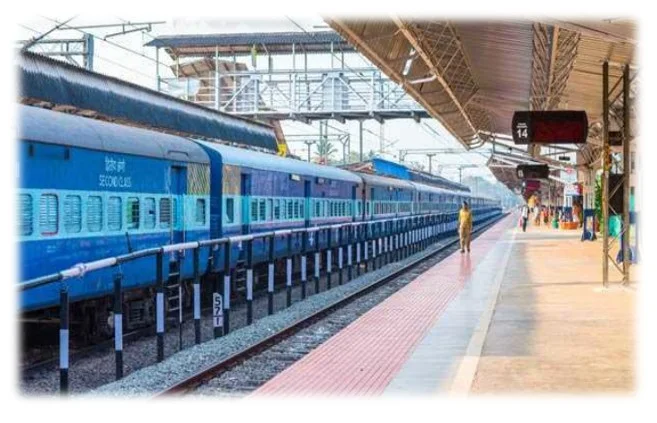
Officials from the railway said that the price increase is needed to keep up with rising costs while keeping services safe and efficient. The price hike isn’t very big, and it mostly affects people travelling long distances.
How Much Extra Will Passengers Pay?
The fare rise is different for each type of journey and each route. The extra cost will be small for most people, but it could add up on longer trips.
Ordinary Second Class (Non-Suburban): Prices will go up by one paisa per kilometre for trips longer than 215 kilometres. This means that a trip of 500 km will cost 5 naira more.
The price of sleeper, second-seat, and AC classes on mail and express trains will go up by two paise per kilometre. This adds about 10 rupees to the cost of a 500-kilometre trip.
Services like Rajdhani, Shatabdi, Vande Bharat, Tejas, and other unique trains will also have to pay the same new per-kilometre rates depending on class and distance.
Even though the price rise per kilometre is small, people who are taking long trips may notice that their tickets cost a little more when they book them.
Who won’t be affected by the higher fares?
Indian Railways has saved some groups from having to pay more because it wants to protect daily and short-distance travellers.
- Ticket prices for a single trip on the suburban train will not change.
- People who have monthly or season tickets will still pay the same amounts as before.
- The price of regular second class for short trips up to 215 kilometres has not changed.
People who rely on trains for regular travel, like commuters, students, and workers, won’t have to pay more because of these allowances.
Why Indian Railways Raised Prices
The railway said that the fare change was needed because the costs of fuel, maintenance, staff pay, infrastructure upgrades, and safety improvements are all going up. In the past few years, Indian Railways has increased services and made buildings better, which has caused operating costs to rise.
The extra money from the higher fares will likely be used to keep the level of service high and pay for future building projects. Officials also said that changes to fares are carefully made to find a mix between making the system affordable for users and making sure it can continue to run.
It is thought by the railroad that the new prices could bring in hundreds of crores of rupees more during this financial year.
Read also
- US Officials Request Travelers to Dress Respectfully and Avoid Pajamas
- Hidden Economy-Class Perks Most Travellers
- Save hundreds on airline tickets with these easy methods
Effects on Planning a Trip
It won’t make much of a difference for people who travel short distances or every day. Long-distance travellers, especially those in business or first class, may need to add a little more to their budget, though.
People who want to book tickets after December 26 should check the new prices. You can save money on future trips by buying tickets before the new prices go into effect.
Overall, the small rise shows that Indian Railways is trying to keep costs down while still making train travel cheap and available all across the country.
