


Well, one of the most common and important questions that most new parents ask is “How often to feed a newborn?” So, the answer to this is that a newborn is supposed to be fed as many times as it shows signs of hunger. The whole phenomenon is known as responsive feeding, or you may also know it as feeding on demand.
How should you set your baby’s feeding schedule?
A newborn’s feeding schedule can never be defined exactly. No paediatrician can actually determine the feeding frequency, and thus, parents should rather check on their babies and feed them every time they seem hungry instead of keeping an eye on the clock.
What are the hunger cues in a newborn?
The most common hunger cues that you may see in a newborn include the following:
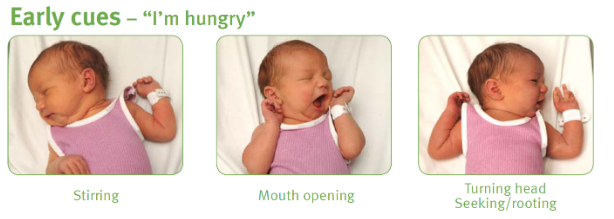
- Putting the fingers or hand into the mouth
- Licking lips
- Sucking everything around
- Fussiness
- Moving their mouth all around in search of the breast
How to determine your breastfeeding frequency?
Remember that the stomach size of an infant is almost equal to that of an egg. Your toddler will thus prefer smaller and higher breastfeeding frequency than that of feeding more one at a time. Most newborns will nurse at an interval of every 1.5 to 2 hours. As a result, you can consider feeding your toddler at least 10 to 12 times a day. Now, there is no fixed norm, and thus, it may increase or decrease based on the nature and body type of the kid.
What is the frequency of offering in case of a bottle-feeding newborn?
Most newborns generally feed up to half an ounce per feeding in the initial one or two days post birth, and you should offer the formula in an interval of 3-4 hours. The general recommendation is to feed at least 8 times a day. In general, the frequency of bottle feeding may increase as the baby grows. To give you an idea, the consumption will go up to 1 or 2 ounces per feed.

How often to feed a newborn at night?
There is nothing specific for this count. While some moms choose to feed their newborns every 2-3 hours, there are others who prefer breastfeeding their toddlers at an interval of every 60 to 90 minutes. Simply remember that you should in no way leave your baby without feeding for more than 4 hours at a stretch. This is applicable even if you are feeding your baby overnight.
Define a newborn feeding chart by age.
A newborn feeding chart offers a basic guideline for the feeding frequency of a toddler based on their age and developmental stage.
0-1 month: Feeding frequency should be at an interval of 2-3 hours, and consumption may vary between 1-3 ounces per feed.
2-4 months: Usually, a baby will feed up to 4-6 times in a day, and the consumption will be around 4-6 ounces per feed.
4-6 months: By this time, most babies usually start intaking solids, but breastfeeding or formula remains their favourite!
6+ months: You may still choose to give formula or opt for breastfeeding your baby for 3-4 times in a day, even if you have started the solids.
How many ounces should a newborn eat?
A newborn usually consumes 1 oz of milk in the first few weeks of birth, and it will increase up to 4.5 oz approximately during a year of age. However, this is not fixed, and a baby may even feed more if the mother has an oversupply of milk in the case of breastfeeding. In case of bottle feeding, a baby will consume 3 to 4 ounces of milk at a frequency of 3-4 hours per day by the end of the first month.
