


Hyundai Motor India told an interesting story about how the tall-boy shape of one of its most famous hatchbacks in India came to be. At the India Economic Conclave 2025, a top company executive talked about how understanding Indian culture was a big part of making a car design that was a big hit with Indian customers.
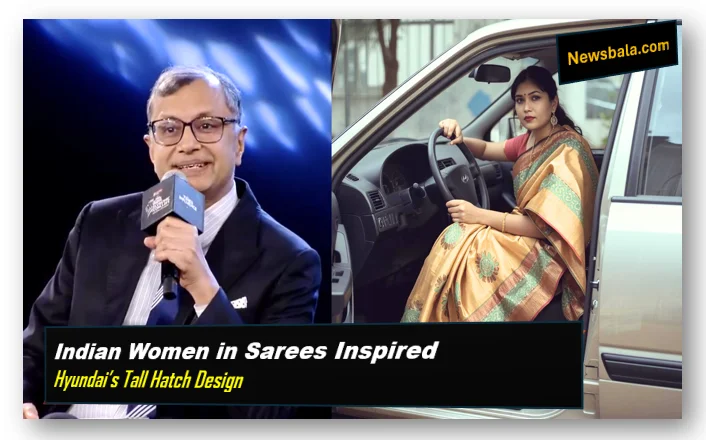
In his speech, Tarun Garg, Chief Operating Officer of Hyundai Motor India, talked about the history of the brand in the Indian market and how the design mindset changed over time to meet local needs. He said that Hyundai really cared about Indian customers and wanted to take their lifestyle and daily habits into account when they made cars for the country.
Respecting Local Culture and Practical Needs
The executive said that seeing Indian women wear skirts was a big part of what inspired the design of the tall bedroom. Sarees are a traditional and widely worn dress in India. Because of this, getting in and out of low-slung hatchback cars can be hard at times.
To fix this, Hyundai makers made the body higher so it would be easier to get in and out, especially for people wearing traditional clothes like skirts. This made the car easier to use and more comfortable, especially in Indian cities and semi-cities where a lot of people wear traditional clothes. In later years, this tall form became a signature of the model and helped it become very famous.
The executive from the company made it clear that this design choice wasn’t just about bringing global models to India. Instead, it was about making goods fit Indian buyers’ needs and giving them careful solutions that worked for them. Hyundai tried to make cars that fit in with the daily lives of Indian families and people by paying attention to traditional practices and day-to-day life.
read more:
Impact on Indian Automotive Design
The introduction of a tall-boy style to a hatchback changed what people expected from cars in India. More space, easier entry, and a more upright sitting position made cars feel roomier and easier to use, and these features have been used in later models on the market.
One reason these models are becoming more popular in India is because of this design. This is especially true for families and first-time buyers who value comfort and usefulness.
Hyundai improved its relationship with Indian customers and reaffirmed its dedication to understanding and meeting local needs by focusing on design choices that are centred on the user and based on real culture insights. This approach fits with the company’s bigger goal of making cars that are specifically designed for each market instead of just using global solutions that work for everyone.
Thoughts on Thirty Years in India
At the gathering, Tarun Garg also talked about Hyundai’s 30-year history in India. He said that the company’s approach to design and product planning that takes culture into account has been a big part of earning Indian customers’ trust and loyalty to the brand. By using local knowledge to make engineering choices, Hyundai shows that it wants to grow in a way that respects and understands the people it works with.
