


In the airbrushed universe of social media, where life is played out through softly lit photographs and carefully chosen smiles, there is a growing army of creators who are electing to draw back the curtain on something altogether less varnished. This week, a celebrated mental health advocate and digital creator ignited an international discussion when they shared an intimate story of their most recent crisis—(one of) the key insight(s): It was not just one person’s tale but rather a family odyssey.
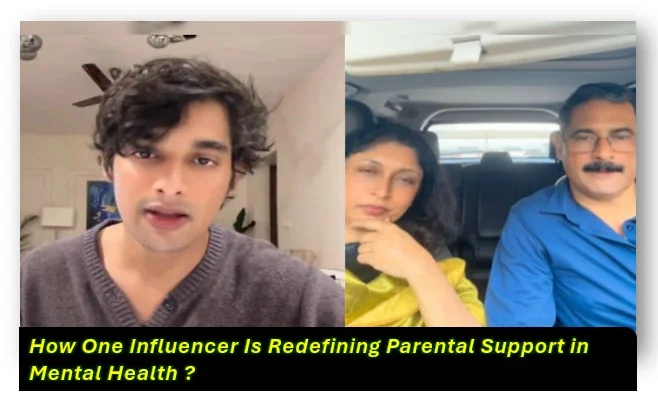
The post, since shared widely and seen over two million times on TikTok alone, goes beyond the tired “self-care” cliché. Instead, this is a masterclass in what real parental backing looks like when the “brave face” finally falls apart. In an age when youth mental health data has reached a point of crisis, the experience of this influencer provides an essential template for families attempting to traverse the terrifying landscape of a mental health catastrophe.
The Quiet Cocina ansible of “Holding Space”
At the center of the viral thread wasn’t some grand gesture or expensive retreat; it was simply the power — and agony — of showing up. In it, the creator reflected on how their parents hadn’t swooped in with solutions or toxic positivity during that low moment. There wasn’t going to be any of that “it could be worse” or “just look at the bright side” talk.
Instead, what support was, was holding space. This idea is all about showing up — both physically and emotionally — for someone, without any judgments or a rush to “fix” their circumstance. The influencer told how their father would come into the room and sit in silence, reading a book just because they didn’t want to be alone in their darkness. Their mother, meanwhile, picked up the “invisible labor” — managing emails, cooking healthy food and doing their laundry — tasks that can feel like a mountain while one is deep in depression or a spike of anxiety.
The parents also made a “safety net of normalcy” by emphasizing these small, concrete acts. This freed the creator to focus solely on their physiologic recuperation without carrying the heavy burden of guilt for nonfulfillment.
Moving From “Why?” to “How Can I Help?”
Importantly, the communication change was one of the biggest lessons learned from the influencer’s story. In moments of mental health crisis, even well-intentioned parents may overwhelm their child with repeated “why” questions.Why are you feeling this way? Can’t you just roll out of bed?
This shift from questioning to cooperation is fundamental. It affirms the individual’s experience instead of forcing them into a place where they feel like they have to explain their pain. The influencer stressed that the gift of what their parents were willing to learn — reading books on particular diagnosis, attending support groups — was the greatest thing they could have asked for. It relieved the creator from having to be the teacher while they were attempting to be the patient.
Boundarying and Professional Bridging
If anything about the story was “human,” it’s that parent support has a shelf life. The parents, the influencer was quick to say, were not acting as therapists; they were serving as a connecting link to professional help.
Real support in a crisis is acknowledging when something is over the family’s head. The creator’s parents became entangled in the search for specialized clinics, they sat right there in the waiting room of those grueling sessions and were advocates through insurance obstacles that threatened to become insurmountable. They viewed professional intervention not as a failure of their parenting, but as another implement in their child’s survival kit.
They also practiced radical honesty about their own mental health. By expressing their own fear or tiredness, the parents conveyed healthy vulnerability. This broke the cycle of “perfectionism” that so often fuels anxiety in younger generations, revealing it’s O.K
A New Legacy of Care
With the comments section of the post filling with more stories from others who said they were seeing a family like theirs depicted publicly for the first time, it is clear that what we mean by a “strong family” is changing. It’s no longer about who can bear the most silence, but about who can cultivate the most openness.
This influencer has taught us that demanding parental support doesn’t mean having all the right answers. It’s about the courage to be in the question mark with your child. It’s about the grilled cheese made without comment, the silent rides in the car to see a doctor and the stubborn insistence that while there may be a crisis, it is not going to be die Geschichte — or “the story” — for Mr. Hubert Estes.
