


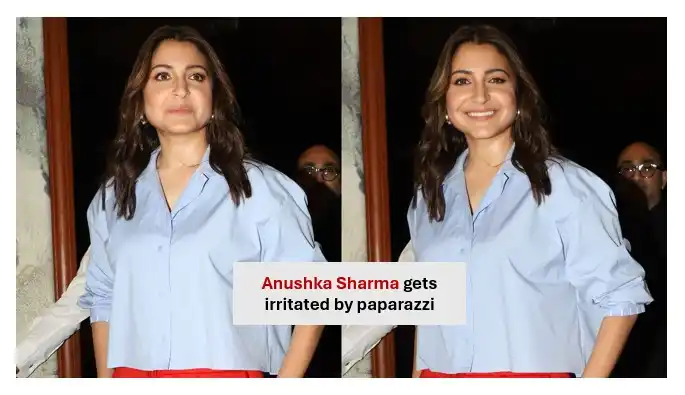
Actress Anushka Sharma has made noise recently not because of a new film or public event, but due to her agitation with paparazzi photographers. Ms. Sharma has been known to live mostly out of the limelight, but has recently publicly shown she is uncomfortable being harassed while out in public. This incident has spurred new discussion on the issue of celebrity’s right to privacy and media coverage of them.
A Closer Look at Celebrity Privacy: Growing Frustration in the Spotlight
While at an event in a casual setting, Ms. Sharma had an encounter with several paparazzi. She attempted to ignore their presence at first, but became visibly uncomfortable fairly quickly. Her response, while not so dramatic, has been mirrored by several celebrities who have now become frustrated due to their personal space always being violated.
Paparazzi Culture in Bollywood
India’s paparazzi culture has grown substantially over the last 10 years, primarily as a result of public demand on social networks and a desire by the public to know real-time updates about celebrities. Celebrities can be photographed virtually everywhere they go-overseas, airports, gyms, private events, and even at family functions.
Constantly being in the public eye, celebrities such as Anushka Sharma can feel like they’re being watched 24/7. Even though being photographed and followed by the media is part of being a celebrity, it’s still up for debate as to how far is too far. In light of recent events, many people agree it is acceptable to take photos of celebrities during their public appearances, but to follow them into private areas crosses the line of ethics.
This isn’t the first time other Bollywood actors have expressed their displeasure with intrusive photography against them or their families, especially when it comes to being photographed during their personal time.
read also:
The Balancing Act: Fame versus Personal Life
Since she got married to cricketer Virat Kohli, Anushka Sharma has always maintained a balance between her public and personal lives. As a couple, they have both spoken out publicly about wanting boundaries set, particularly concerning their newborn daughter. They asked the media not to photograph her and that it is imperative that consent and privacy be honored.
This current incident exemplifies just how challenging that can be. With everyone knowing the request to leave the couple and their daughter alone, it still happens where their desire for privacy is overlooked for the sake of getting a viral picture.
Anushka’s frustration is probably a normal reaction to what celebrities put up with on a daily basis. Nobody can be expected to be okay with having someone take your picture every second of every day – no matter how famous you are!
Public Reaction and Social Media Debate
The event has received much attention from users on social media who’ve voiced mixed feelings about the coverage Sharma has received. Some have commented that celebrities should be given the same level of privacy everyone else is entitled to however some feel that if you’re famous, being in the spotlight is what comes with being famous.
This splits opinions and can lead to larger questions about if when someone decides to become a public figure they lose their right to privacy. As time has gone on it appears public opinion is making a progressive shift towards understanding fame’s effect on someone as a person.
A Call For Responsible Media Coverage
The incident should remind everyone that while celebrities are in front of us regularly they are individuals who have personal boundaries. Responsible coverage does not only mean to document an event but also to honour boundaries.
As for the paparazzi community, here is an opportunity to consider how they can modify their practices for the betterment of the celebrity / media relationship. There are opportunities to have better space between themselves and public figures and to respect any boundaries given or requested by the public figure.
Conclusion
Anushka Sharma’s experience with the paparazzi is indicative of a broader problem in the entertainment industry. As interest in immediate celebrity material continues to grow, so does the requirement for ethical concerns. The discomfort displayed by Anushka sends a strong message regarding the need for personal space and the potential consequences of living in the public eye; in particular that fame should not come at a cost to an individual’s basic right to maintain their own private life.
This event exemplifies not only Anushka’s brief annoyance but also the significant difficulties currently being faced concerning how to establish limits on public figures in circles that promote continuous exposure.
