


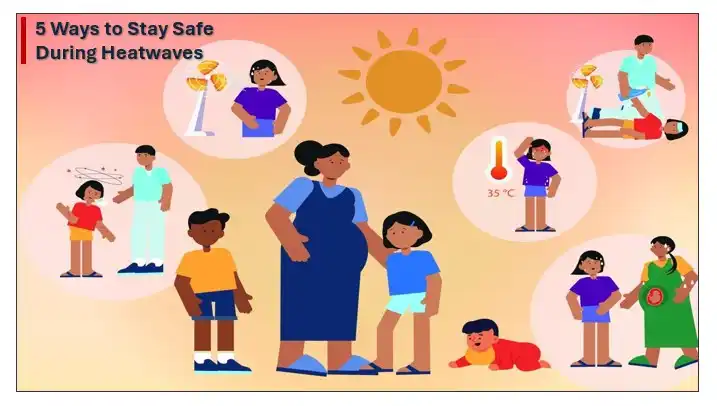
As global warming continues to increase, so do cases of extreme heat. Extreme heat can be much more dangerous than regular heat because it lasts for longer and is hotter. Excessive heat poses a high health risk for everyone, with children, the elderly, and anyone who has pre-existing conditions at the greatest risk. Government bodies and public health officials are advising people to take action against the heat and stay informed on current situations, especially in areas where extreme heat is possible. To help stay safe from extreme heat, here are five helpful rules you should follow.
1. Stay Hydrated
Staying hydrated is the most vital thing to do during periods of excessive heat. When there are high temperatures, the body loses fluids through perspiration, which increases the risk of dehydration. It is recommended that individuals drink four to eight glasses of water daily, regardless of your thirst level. Water is the best beverage to keep hydrated.
Alcohol, caffeine, and sugar-containing drinks can also dehydrate you and should be avoided. Carrying a water bottle while outdoors and eating fruit (especially water-based fruits) will also help keep you hydrated throughout the day. If you are exposed to extreme heat for long periods, it may take only minutes to become dehydrated from the effects of heat and excessive perspiration can lead to heat exhaustion or heat stroke. Therefore, it is very important to stay hydrated consistently.
2. Avoid Direct Sun Exposure
By minimizing your exposure to the sun during the hottest times of the day– between 11 a.m. and 4 p.m.– you can decrease your chances of developing a heat-related illness. Schedule outside activities soon after sunrise or shortly before sunset to take advantage of cooler temperatures and avoid being out during the hottest times of the day.
You can also limit your exposure to the sun through clothing. Wear wide-brimmed hats, UV-blocking sunglasses, and long, lightweight, loose-fitting clothing made from breathable materials such as cotton. Additionally, sunscreen protects against sunburn, which affects the body’s ability to regulate body temperature.
3. Cool Your Home
To help protect against heat-related illness, it is important to keep your indoor environment cool during a heat wave. Use air conditioning, fans, or other cooling methods to cool your inside spaces. Keep curtains and/or blinds closed until the evening to block out sunlight and keep rooms cooler.
If you do not have air conditioning or fans in your home, consider going to public places that provide air conditioning such as shopping malls, libraries, or community centers. Spending time in a cooler location for just a few hours can help reduce body temperature and alleviate some of the discomfort you experience from the heat.
4. Recognize Signs of Heat-Related Illness
Being aware of the signs and symptoms of heat related illness can promote preventive action against serious health consequences. Heavy perspiration, fatigue, and dizziness together with feelings of vomiting and headache (also known as heat exhaustion) can all lead toward heat stroke which is a medical emergency.
Signs and symptoms of heat stroke include extremely high body temperature, confusion, rapid heart beat (or pulse), and a person becoming unconscious due to overheating. If someone demonstrates these signs of heat-related illness, immediate medical attention must be sought.
While waiting for medical assistance, cooling the person down by moving him/herself from the heat to a shaded location, applying cool wet cloths or towels (not ice), and giving the person something to drink will usually be very beneficial.
5. Provide an Extra Level of Care for those who are most susceptible
Certain groups of people are more vulnerable than others to heat-related illnesses. The elderly, infants and toddlers, pregnant women and people with chronic medical conditions are most vulnerable groups. It is very important to check in on and offer assistance to these groups of people in your family or your neighbors and friends who may be more at risk than others.
It’s also important that you never leave children or animals in a vehicle that parked during hot weather. The inside temperature of a vehicle can become extremely dangerous within just minutes. Providing small meals, encouraging rest, and providing access to cool locations are some ways to play a part in protecting the most vulnerable groups.
read more:
- Pros and cons of morning and evening workout revealed
- What happens when a person sleeps putting the AC on all night?
Rising Concern Over Heatwaves
Increasingly, heatwaves are not merely events, but part of a pattern that has been intensifying due to climate change. In response, weather services have also started providing alerts based on regional trends. This includes water points being set up in those areas, issuing heat watches and advising on altering schedules or working hours to produce less heat.
Public awareness is key to mitigating the effects of heat waves, as making simple changes in daily routines and advancing plans can help prevent serious health issues caused by heat waves.
Conclusion
Although heat waves can be a risk, they can also be prevented through proper preparation. Staying hydrated, minimizing sun exposure during peak hours, keeping cool indoors, knowing the signs of overheating and assisting at-risk persons will all help people stay safe from excessive heat. As these extreme weather events increase, being prepared and aware will be the best defense against increasing temperatures.
