


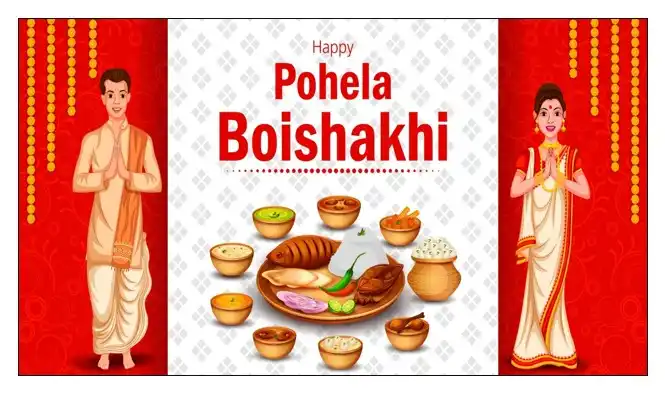
A Baisakh is also referred to as Pohela Boishakh in Bengali and is celebrated as the first day of the Bengali calendar, usually around April 14th or 15th, depending on the solar calendar of the year. Baisakh 2026 will be observed on April 14; this year begins a new year for all the Bengali people both in India, especially in West Bengal, and in Bangladesh.
Historical Background
Paila Baisakh traces; its origins to the Mughal period, specifically, when emperor Akbar appointed officials to administer the government with calendars based on both the Islamic lunar calendar and Hindu solar calendars, in order to facilitate the collection of taxes from farmers throughout the Mughal Empire. This eventually led to the formation of the Bengali calendar and the first day of Baisakh becoming a public celebration at large.
Over time, this public festival developed from a method of collecting revenue into a celebration that celebrates the cultural identity of the Bengali people.
read also: 30 April 2026 Narshimha Jayanti
Significance of Paila Baisakh
For all Bengalis, Paila Baisakh is an important cultural holiday with important meanings:
1. New Beginnings: The first day of Baisakh represents a new year for all the Bengali people and serves to remind them that each new year is another opportunity to put their past behind them and start anew, and with that hope, peace and happiness.
2. Cultural Identity: Baisakh provides all Bengali men, women and children the opportunity to express their culture through language, music, and art.
The financial significance of this holiday is for business and trade as the start of a new business year. Many businesses will open new account books for this financial year after this date. Account books are known as haal khata.
Social value is felt in the community with families, friends, and neighbours coming together; building strong social connections.
read also: 27 April 2026 Mohini Ekadashi, Siddhilakshmi Jayanti
Ways Poila Baisakh is Traditionally Celebrated
1. The haal khata ceremony: One of the most significant traditions of this day is the haal khata ceremony. The shopkeeper will invite customers into their shops, give them sweets, and open new ledgers for the new finance year. By having this ceremony, shopkeepers will be celebrating the start of a new business year on a symbolic and practical level.
2. Wearing of Traditional Dress: People wear traditional Bengali dresses during the celebration. Example: women wear red /white sarees; men wear a kurta-pajama or dhoti. These dresses of a traditional style help strengthen the festive atmosphere and create an identity of pride for the culture.
3. Cultural Programs: A wide range of celebrations will include music, dance, and reciting of poetry. A popular form of music during these festivities is the singing of Rabindranath Tagore’s song lyrics, as he is culturally synonymous with Bengal.
4. Parades and Fairs: In many locations around the world (i.e., Bangladesh and parts of West Bengal), there will be parades, fairs (mela) and street entertainment (i.e. folk art, crafts, food) totalling many colours.
Food and Festive Delicacies
Paila Baisakh is a time to celebrate with great food! You can expect a huge variety of Bengali dishes that family and friends will share on this special day. Some popular food items include:
- Rice and fish (the classic combination!),
- Sweets such as Rosogolla, Sandesh, and Mishti Doi, and
- Many different types of rice and lentils, plus all other kinds of vegetables and also large amounts of fried food.
Paila Baisakh is also a time to eat together to promote good fortune and bonding amongst family, and to foster prosperity for the upcoming year.
How Paila Baisakh is Celebrated?
- In West Bengal: People wake up early to pray and visit the temple, then throughout the day you’ll find fairs, cultural events, and community gatherings all over West Bengal. People are busy performing the “Haal Khaata” rituals as well.
- In Bangladesh: Paila Baisakh is an important national holiday celebrated with great enthusiasm. A big part of the celebrations is the Mangal Shobhajatra procession, which is famous for its artistic masked figures and floats, celebrating “the triumph of good over evil.”
Celebrating Paila Baisakh Today!
While the traditional ways of celebrating still exist today, people have adapted new styles and methods of celebration, as well as expanded themselves to include social media greetings, digital celebrations, as well as large numbers of events held in shopping malls, restaurants, and night clubs.
Even with all the changes, the core concepts of Paila Baisakh, such as renewal, happiness, and pride in our culture, are still here!
Conclusion
Paila Baisakh represents not only the beginning of a new year but also celebrates Bengali culture, tradition, and hope for the future. The festival has historical significance from the time of the Mughal empire to present-day celebrations that connect individuals from around the world through a common bond.
Paila Baisakh blends the old and new traditions using many different elements. There are rituals such as Haal Khata, traditional clothing, cultural entertainment, and ample food available during this festival, all helping to create one of the most beloved festivals among the people of Bengal.
