


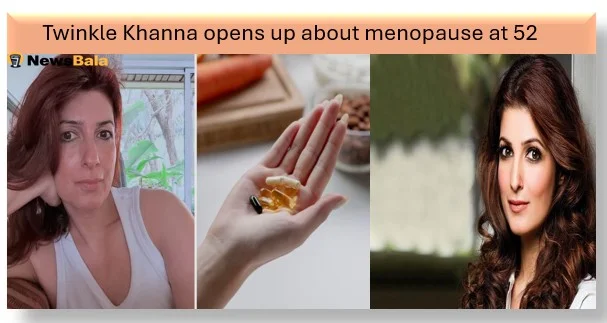
Former Bollywood star, author, and columnist Twinkle Khanna recently opened up about her struggles with menopause when she reached 52 years old. On a recent Instagram post that went viral, Khanna shared both her emotional and physical struggles with this stage of womanhood, which many women are hesitant to discuss. She used this outlet as an opportunity to normalize the conversation surrounding overall health and ageing in women.
Straight Talk and Realities
When writing about her experience, Khanna was brutally honest with her followers. She explained that she felt as if “my phone had a bad charger” during menopause; meaning that for many years, she lacked energy, felt sluggish, and was unable to perform at peak efficiency.
Khanna’s humourous but brutally honest analogy perfectly captures the unpredictability and exhaustion associated with menopause. By using such direct language and avoiding veiled statements, she has created a strong connection with her audience.
Breaking the Taboo Around Menopause
In many areas of the world, including India, the issue of Menopause remains a taboo topic and is rarely discussed openly. Hormonal fluctuations, hot flashes, mood swings and fatigue are very rarely discussed publicly outside of close friends and family. However, Twinkle’s willingness to document her own personal journey and discuss both the ups and downs experienced throughout her own transition represents an important step toward creating normalcy regarding conversations about women’s health.
Through posting her makeup-free photos, as well as capturing moments and feelings surrounding her experience, Twinkle is helping to debunk stereotypes surrounding what it means for women to “age gracefully” in society. More importantly, Twinkle isn’t just explaining the challenge of Menopause; she also provides insight into how she successfully overcame Menopause and continues to manage her health and wellbeing by sharing her tools and practices with the world.
The primary components of Twinkle’s overall approach to overcoming her experience with Menopause have been to focus on developing her physical strength and to promote her body and health overall through various lifestyle changes.
Sara Khan ties the knot with Krish Pathak in Hindu and Muslim rituals, first photos out.
1. Regular Weight Training & Exercise
In her opinion, gradual weightlifting, coupled with an ongoing commitment to participate in physical fitness activities, has been the most significant factors in Twinkle’s newfound overall sense of wellbeing. She mentions strength training as the most experience-based way that she could support bone density, provide energy, and improve overall mood; all of which can significantly reduce the severity of menopausal symptoms. Support of these areas through the practice of lifting weights is how Twinkle includes weight training in her daily fitness routine.
2. The Use of Supplements and Self-Care Medication
In contrast to expressing support for the common use of self-medication through social media, Twinkle spoke about her daily regimen and the multiple supplements she has chosen to consume to help support her overall health. A few of the supplements she takes include Coenzyme Q10; NAD; Omega-3; Lion’s Mane; Iron for menopause support; Vitamin D3 with K2; Collagen; and Magnesium Glycinate, among others. Twinkle has made the choice to use these supplements in order to provide relief from the symptoms of fatigue and hormonal problems associated with menopause.
In closing, Twinkle wanted to point out that her choices are her own and that everyone else who follows her needs to do their own testing to determine if what worked for Twinkle will also work for them.
3. Emotional Wellbeing and Purpose
Twinkle was not only limited to discussing physical health. She also pointed out several activities she participates in that positively affect her mental health. She pointed out how much joy she receives from both reading and writing, which she sees as providing her with purpose and direction, as well as humorous moments. For example, she has started playing mahjong with her girlfriends weekly after turning 50.
Twinkle believes that these activities have contributed to her ability to build resilience and to experience happiness, and she promoted the belief that menopause meant more than just physical changes; it is about emotional adaptability as well.
HRT: The Good The Bad
Twinkle discussed Hormone Replacement Therapy (HRT), which is a medical method for easing menopausal symptoms by providing supplemental hormones when hormone levels fall. She stated, however, that while HRT has been beneficial to many women, she is still considering the benefits and disadvantages of it and, again, advising women to discuss it with their doctors before making any decisions.
Twinkle did a good job of remaining neutral on this topic as she did not strongly disapprove or approve of HRT. She reaffirmed her belief that everyone is different and must find what’s right for them individually.
The Wider Impact of Her Message
Twinkle’s post received a range of responses. However, the overall majority of those responses were positive. Many women thanked Twinkle for being open about menopause, as it often remains an unspoken subject, and hearing about Twinkle’s experience inspired them to reach out to others with similar experiences or to find support. A few women had different opinions about areas discussed, such as supplement use and HRT, and posted their opinions, but for the most part, Twinkle’s voice has helped push forward what many advocates see as needed for the public health dialogue.
Saif Ali Khan and the Pataudi Family Win Big in Decades-Old Bhopal Land Dispute
A Cultural Conversation Starter
When Twinkle Khanna spoke openly on social media at 52 about menopause, she created a platform for women to discuss menopause openly, as most women still see menopause as a private concern. Twinkle’s reflections should provide hope to numerous women who have felt isolated and alone regarding their menopause.
As Twinkle has stated, “Menopause and aging are not generous”, but honesty, support and self-care may make the experience a little easier on thousands of women who are experiencing it.
