


People usually picture passports in a few common colours. Most IDs around the world are one of four colours- black, red, green, or blue. Not only is each colour a personal choice, but it also often has a connection to history, society, religion, or political decisions made by countries. The colour of a person’s passport can tell you a lot about their country, its people, or its political or economic groups.
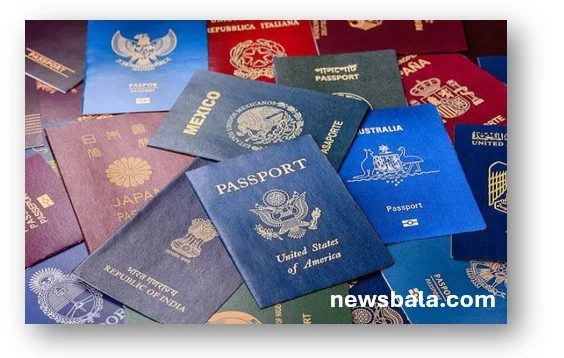
Many countries focus on these four colours, but the shades and patterns can be very different from one country to the next. Still, most IDs are one of these big colour groups.
Blue Passports- The Americas and Freedom
Blue passports are used in a number of places, mostly in the Americas. The United States and a lot of countries in Central and South America like deep blue covers. Blue is often linked to freedom, openness, the sky, and the sea, which show how far a country wants to go or what its goals are.
For these countries, the colour blue might stand for ideas related to freedom or ties to area groups. It is also sometimes just picked to make the passport stand out and be easy to find. A lot of people in the Western region have blue visas.
Red and Burgundy- Europe, History and Unity
A lot of European countries have IDs that are red or burgundy. This includes people from big European groups who picked a bright red colour to show unity or meaning. Red has a long background. In the past, it was often linked to change, power, and strength.
People in many European countries are used to seeing a darker shade of red called burgundy. Countries that work together a lot on politics and travel deals feel more united when they do this. For these countries, the colour may show both old customs and new ties.
Green Covers- Islamic World and Growth
In places that have close ties to the Islamic world, green passport covers are very popular. Some countries choose the colour green because it has religious or cultural meanings for them. In a lot of cultures, the colour green means growth, peace, and nature.
Some business or regional groups also choose green as the main colour for their passports. For these nations, the colour stands for greater cultural ideals and past ties. In real life, green visas are still not as common as blue or red ones, which makes them stand out.
Black Passports- Security, Prestige and Practicality
Only a few countries give out black IDs. This colour stands out and is usually linked to travel papers from elite groups or states. Black makes people think of power, strength, and calm. Some countries only give black IDs to certain groups, like government workers or foreign staff. Others just pick black because it looks professional and understated.
Even though black IDs aren’t very popular, they are very easy to spot because of their unique colour.
Read also
Why These Four Colours Dominate
The colours on passports didn’t just appear by chance. They were usually picked by governments based on a mix of religion, custom, society, and ties to the area. Economic groups or area unions will sometimes use the same colour codes to show that they are working together. One way for a group of countries to show they are working together is to agree on a shared or similar visa colour.
Visibility is another good reason. When going through border checks, colours like blue and red are easy to spot and help officials quickly tell one identity from another.
No matter what colour they are, IDs do the same thing- they prove who you are and where you are from, and they let you move between countries.Its main goal is still to help people move between countries and get to places all over the world, even if the color changes. This clever method turns papers into stories about the person who owns them and the place where they come from.
