


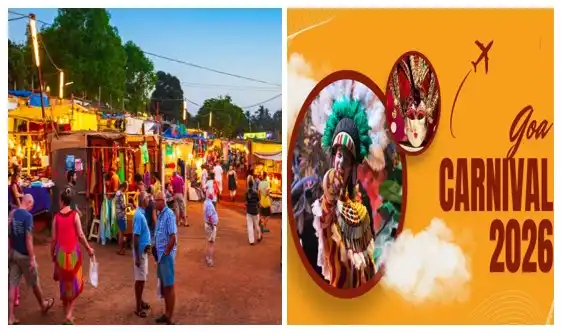
And as the dust of daily life begins to settle on the Konkan coast, a colourful transformation is under way. Between February 13 and 17, 2026 Goa will shake off its lazy “susegad” garb to unfurl a riot of feathers, masks and lilting drums. The Goa Carnival 2026 is more than just a date on the tourist calendar – it’s five days of intense passion and packed activity, when this small Indian state breathes life to revelries (the feared ‘all that was banned during all of Lent’ finale) that are scheduled to be put into cold storage the day after.
‘The Goa Carnival 2015’: With the DoT (department of tourism) making it official, the state is preparing for a celebration that will have more genuine Goan culture in it than any time before as we take ‘Carnaval’ out of the beach and into its heart — the villages.
The Royal Decree: The Arrival of King Momo
The carnival’s pulse is a mythical figure named King Momo. The King Momo, who is a local from Goa with a great personality and charming disposition bears a traditional significance with his presence to the onset of these celebrations through his royal statement. His dictum is short and simple: “Kha, Piye ani Majjakar”—Eat, Drink, and Dont Worry.
The “royal” procession will this year include bands of brass and fire-eaters whirlings, acrobats cartwheeling – signalling the start of a week when the world turns upside down and Stash is paramount. For Goans, King Momo is not just a mascot; he is the spirit of liberation and shared revelry that cuts across class and caste.
Behind the Floats: The Spirit of Intruz
Although the huge, neon-colored floats receive most attention on social media, Carnival’s more down-to-earth side has kept it in touch with its traditional roots (these are what people call Intruz).
The Red and Black Dance
The capital then explodes with the traditional Red and Black Dance. This isn’t just any party; it’s a high-fashion cultural event thousands attend in red and black outfits from head to toe. Taking place at the Samba Square (Garcia de Orta), night is brought to life with Latin influenced music, brass bands and a communal euphoria that lasts into the small hours of Ash Wednesday.
Street Theatre and ‘Assoltes’
If you’re strolling through a village during Carnival and a bunch of masked actors pull one over on you, don’t be surprised. Hala, Villasobroso: In recent years the trend has been to add irony to “entroido.” This tradition of Assoltes consists of locals donning great costumes and going out to play innocent tricks on neighbors or visitors. And for the entertainment, the “victims” are supposed to fete the performers with food and local morning-after-inducing feni. This is the street theatre that makes the Carnival personal and local.
A Culinary Pilgrimage
By definition, carnival is a feast before the fast. The streets turn into an open-air buffet of Goan specialties.
- Sorpotel & Xacuti: Spicy, rich meat curries that form an essential part of every Goan Catholic home.
- Bibinca: The 7-layered “Queen of Goan Desserts.”
- Fresh Seafood: Till last year butter-garlic prawns to rawa-fried kingfish, at the Vasco and Margao stalls, they sold whatever was the freshest catch of that season.
Conclusion
The Goa Carnival 2026 is a wake-up call to the fact that in this world of screens and digital noise, there’s still room for simple, unmediated in-the-street joy. It is the time when the mask does not obscure who you are; rather it allows you to be whomsoever, whatever. Whether you’ve come for the thump of the brass bands or the village tiatr, there is a slice of Goa that feels real in your heart long after all the shine has been washed away.
