


For generations, boiling milk has been something close to a safety ritual in one’s family kitchen in India. Be it a morning cup of tea or glass of warm milk at night and the process invariably starts with placing the pot on the stove. But doctors and nutritionists are now cautioning people to stop boiling packet milk — and the reason will help you understand why modern processing has changed the way we should deal with milk.
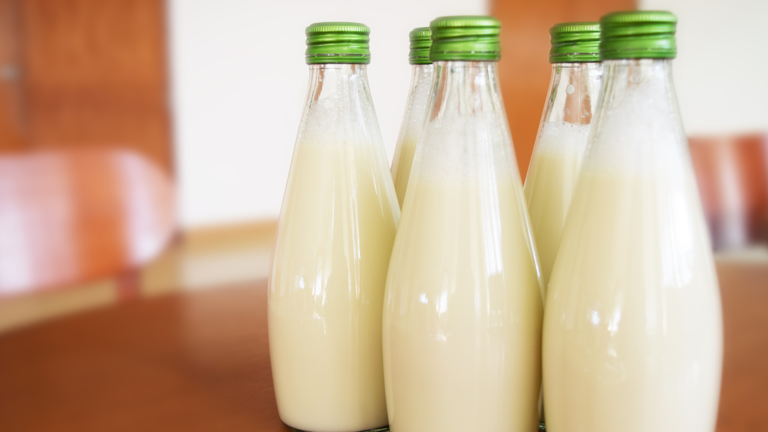
Nearly all packaged milk in India, including the ubiquitous tetra packs and pasteurised pouches, is already subjected to high-temperature treatment before it arrives at people’s homes. Pasteurisation heats milk to temperatures that kill harmful bacteria, while protecting the nutrients. Put simply, the safety step has been taken at the plant. When the consumer brings the packet home and boils again, it exposes the milk to an unnecessary higher temperature which also does more harm than good.”
Repeating the process of boiling packet milk also reduces its nutritional value. Volatile nutrients such as some proteins, vitamin B complex, and minerals break down when cooked for long periods. The dreamy, creamy texture transforms, and the milk can take on a pleasantly cooked note. Overboiled, doctors like to say, eliminates essential amino acids important for muscle and bone strength. The milk does not become safer, it becomes less nutritious.
You may also like this:
- What happens to your body if you eat an egg and bread
- Health benefits of Dandelion you must know
- 6 reasons amla beet carrot juice on an empty stomach works
Another thing that experts do point out is that packaged milk is sealed and handled under controlled conditions. Packet milk does not need the extra “safety boil” only because it’s not directly drawn from local dairies or farms where chances of impurities and bacteria are higher. The treatment aim is to obviate the requirement for post heating. Many countries in the world drink pasteurised milk directly from yogurt to cold and even ice.
But despite these reasons offered there, a significant percentage of Indian population still boils milk by default without any reason. This reflex is centuries of culture and tradition. Boiling milk is more than a step for many families, it’s reassurance. Older generations came of age when adulteration was widespread and raw milk had to be boiled lest germs kill you. These traditions and memories sure are handed down from generation to generation. Really shaking these strictures, however, is tough.
It’s also a popular belief that milk tastes better after boiling. The warm aroma of slow-cooked milk and the skin of malai resting on its surface, they say, is an emotional experience. Shifting this behaviour takes more than scientific argument – it requires a change of mindset and trust in modern food-processing techniques.
Fear is yet another reason why people do not would stop boiling milk. Even with the technological improvements, the specter of contamination remains. Headlines about adulteration makes consumers suspicious, leaving many thinking boiling is the only route to safety. Doctors recognize this trust problem, nothing that the task is not only in educating people about nutrition but also restoring faith in packaged goods.
“If someone insists on that they want it to be warm, experts would advise us to just give them a little bit of a warm pasteurised milk rather than going all the way and boiling it. Tender, soothing heat preserves all the nutrients and flavour but warms you up too! Mild warming is good for food preparation as the food is subsequently subject to further temperature changes.
Ultimately, the boiling packet milk conversation is a beacon to an age old battle between tradition and modern science of food. Doctors persist in their message that the milk is already safe to drink — and not only safe, it has all necessary fats and nutrients a baby needs for six months — but cultural habits are stronger than the instructions printed on the packet. Until trust migrates entirely to the methods in widespread use today, many homes will keep putting milk on the stove out of tradition, not desperation.
The science is in: packet milk does not require to be boiled. But change, particularly in Indian kitchens, tends to have a rhythm of its own.
