


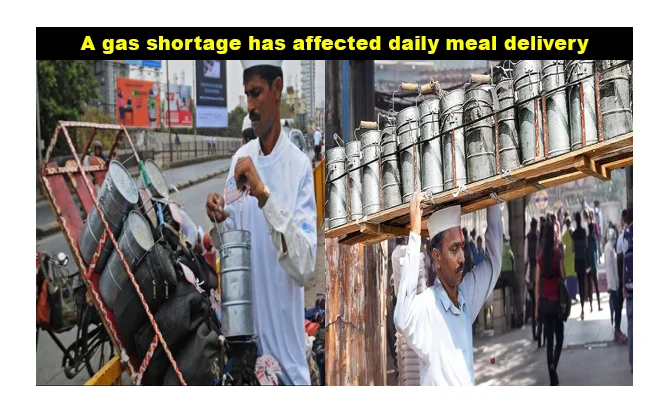
The ongoing war in West Asia is now affecting everyday life in India. The famous dabbawala network in Mumbai is one of the most obvious examples. People whose jobs depend on cooking gas are having a very hard time because of the gas supply problems.
The problem in the area as a whole has messed up fuel supply lines, which is linked to the lack. As conflicts rise, the movement of important energy sources has been slowed down, which has caused delays and less access. People in Indian towns, not just those in the war zone, are now feeling the effects of this situation.
Dabbawalas Have Problems With Cooking
The dabbawalas in Mumbai are known for bringing thousands of home-cooked meals every day, but they are now having a hard time keeping up with demand. People have trouble cooking food on time because there aren’t enough LPG tanks.
The dabbawala system depends on newly made meals from people’s own homes, so any problems with cooking have a direct effect on how they run. There has been a noticeable drop in the number of supplies because many families can’t make lunch boxes on a daily basis. Families are sometimes cutting back on daily food or moving to other choices, which makes the system even worse.
Read also: LPG Price Hike Sparks Concern
The supply chain is affected by a lack of cylinders
The biggest problem is that cooking gas tanks are getting harder to find. People are having a harder time getting refills on time due to supply problems, which have led to long wait times. This has spread through the city, affecting both homes and the services that depend on them.
It’s not just homes that are in short supply. There are also problems for commercial users, which have raised the general demand and put more pressure on the available sources. It’s harder for important services like the dabbawalas to run properly because of this mismatch. The supply line usually works without any big problems, but right now it’s under a lot of stress.
Read also: India tells LPG users to switch to piped gas wherever possible
Effects on daily income and daily life
For the dabbawalas, it’s not just about getting things done; it’s also about making money. When the number of lunch supplies declines, many people in the network earn less.
Their daily routine, known for its precision and dependability, is being thrown off now. When there are fewer meals to bring, there are fewer trips and less work to do, which affects the whole line, from picking up the food to delivering it. A lot of workers are afraid about how long this will go on for and how it will affect their ability to pay their bills.
Not Sure What Will Happen Next
As long as there isn’t enough gas, the situation is still unclear. Services like the dabbawalas may continue to have problems until the supply chain is stable. Some people are also worried that if the lack lasts longer, it could make daily life even more difficult.
This issue shows how events happening around the world can have surprising effects on local processes. On many levels, from foreign war to home meals, the effects can be seen and felt. Families and service providers are both trying to get used to the new situation for now and are hoping that the gas supply will get better soon.
