


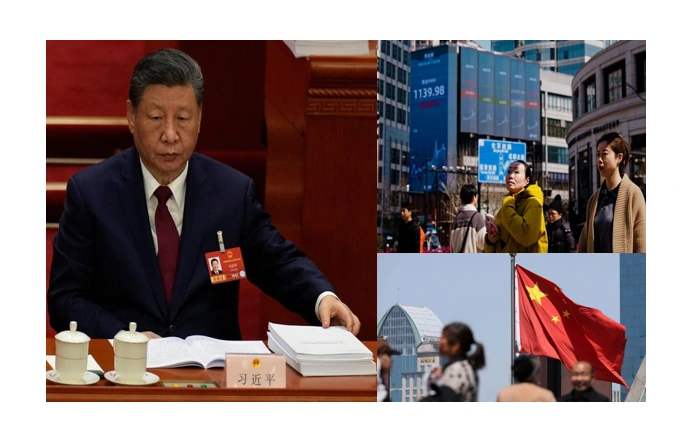
The neon lights of the Shanghai Bund are winking slightly harder this March, and the high-speed tracks running out of Beijing are filled with the purpose that seems different than the preliminary atmosphere of the previous year. At the turn of the first quarter of 2026, the Chinese economic machine is starting to vibrate with a premature, but still a rather tentative, pace.
The figures on paper indicate a tale of a spring thaw. The manufacturing indices are moving upwards, and the green energy exports- the shiny jewels of the new three industries (drone vehicles, lithium batteries, and solar products) are seeking new markets, in spite of the increased barriers of global protectionism. However, enter a local noodle shop in Chengdu or a tech start-up in Shenzhen, and the topic of conversation is about resilience, living costs, the existence of gray rhinos of risk always just over the horizon.
The Pulse of the New Three: Motivating the Wireless Breakthrough
This trend of accelerating in early 2026 is propelled in large part by a frenzied shift to high tech self reliance. As the old growth formula of the last twenty years, which included bricks and mortar expansion, has flat lined, China has enhanced its efforts to become the global factory of the future.
The Pearl River Delta is an electric atmosphere in the industrial hubs. SMEs that used to produce plastic toys have disappeared, but they are now included in the supply chains of autonomous driving sensors. People such as Zhang Wei who was 42 years old and worked as a factory floor manager humanize this change by spending his Lunar New Year break learning how to oversee assembly line robots.
It is not the speed this time, Zhang says, scanning a range of mechanized weapons. Previously we were competing based on the number of hands we had. We are now in the competition of the number of patents we can be applied to the belt. It is this localized grit that is now in the 5% range of the national growth rate by the government. The initial buzz is actual, with a rush in high-end production and unexpected strength in domestic travel and services with the Chinese consumer gradually recounting the delight in the outing.
Read also: Rupee at historic low: How 9% real depreciation could reshape India’s economy
The Shadow of the Skyline: The Interminable Real Estate Scam
But you cannot talk about the Chinese economy without mentioning the cranes that are not moving. With the initial success in technology and renewable energy, the real estate sector is still a drag. By 2026, the Property Crisis will have long ago ceased to be a sudden cardiac arrest and turned into a chronic, uninteresting pang.
The WhiteList system by the government, which is meant to direct credit into stalled housing projects, has been partially successful to complete apartment blocks, although the mental trauma on the Chinese middle class is still deep-seated. Their house was their main savings account to many families. As the value of properties is no longer rising, the wealth effect has gone away, and people have been particularly careful about their spending, even the most glitzy new EV automobiles cannot fully overcome it.
The human price is reflected in the machine of wait-and-see-generation the young couples who are postponing marriage and big purchases. The carry in the manories is being offset by a sobriety in the drawing room. The policymakers are walking the fine line: they must pop the property bubble and leave the cushion of household wealth intact.
Read also: India’s Digital Economy to Reach $1.2 Trillion by 2030
