


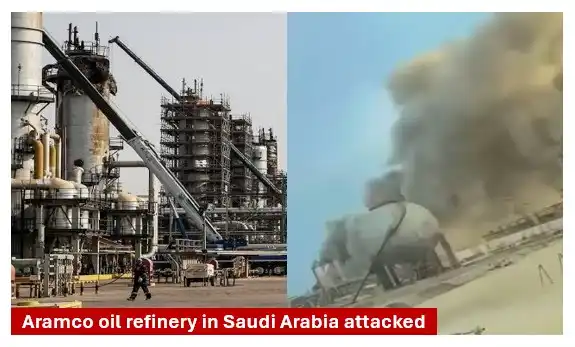
There were rumors of a suspected drone strike against the Saudi state-run energy company Aramco’s huge refinery in Ras Tanura on March 2, 2026, which resulted in a temporary suspension of production at the world’s largest oil refinery. The Ras Tanura refinery is located on the Persian Gulf and has a processing capacity of approximately 550,000 barrels of crude oil each day. The refinery also serves as an important staging location to support the global supply chain of crude oil.
Saudi Navy Air Defense Thwarted Drone Attacks on Ras Tanura Oil Refinery
According to reports that came from the Saudi Arabian Defense Forces Intelligence Agency (DFA), the Saudi Air Defense Forces successfully intercepted multiple attacks on the Ras Tanura refinery that were carried out by drones; however, these missiles struck the ground at the refinery site and caused a small fire. Fortunately, according to officials, there were no reported injuries or damage caused by the drone debris from the interception of the drones, but the debris that resulted from the intercepts and the need to make the refinery go down for safety reasons, show the vulnerabilities that exist in protecting vital global energy infrastructure.
Iran-Backed Attacks a Part of Broader Regional Conflict
A suspected drone strike came amid increased tension and violence in the Middle East after the US and Israel conducted raids against Iran, which included the assassination of Iran’s Supreme Leader, and an increase in violent retaliatory attacks by Iran against US military personnel and/or interests throughout the region for these acts. Iran has backed entities, who have attacked numerous strategic assets (either by either drone or missile) located in the Persian Gulf region including oil and gas production in Kuwait and Qatar, raising concerns that this violent escalation could lead to a larger ongoing conflict between the west and Iran.
also read:
- Haryana CM Nayab Singh Saini presented Budget for 2026–27
- Leptospirosis Outbreak Worsens in Hazara Singh Wala
Market & Global Energy impacts
The announcement of the plant being closed caused an immediate spike in the global crude oil market as traders reacted to potential supply issues.
With increased military activity in the Strait of Hormuz, which is the main thoroughfare for transporting world commodities by water, the associated risk to this region has also increased with the escalation of military activities in the region.
Ras Tanura, which is one of the largest oil export facilities in the world, has significant ramifications to not only Saudi Arabian oil exports, but also for shipments of oil to both Asia and Europe.
Although Saudi Arabia has not provided specifics about the volume of oil that has been lost, the precautionary closure represents the most severe ramifications of this most recent cycle of regional conflict.
No Immediate Group Has Claimed Responsibility
Although it is widely accepted that the drones were launched by Iranian military forces or Iranian-backed militia groups as part of the back and forth cyclical attacks, there is no specific organisation claiming to have directly attacked the refinery.
Saudi officials and regional experts are evaluating the situation due to fears that this could lead to additional Gulf State nations and associated countries becoming involved in the conflict.
Broader Regional Fallout
Similar to Saudi Arabia, there have also been attacks on oil refineries all over the world, such as:
- Refineries in Kuwait were attacked, resulting in injuries to workers.
- There were outages to LNG production in Qatar, resulting in less natural gas worldwide.
- Israeli offshore gas field operations were also suspended.
These coordinated attacks on oil and gas installations have increased oil and gas prices to levels not seen in many years and have led to many countries around the region implementing emergency measures.
Security and diplomatic responses
Saudi Arabia condemned the attack and reiterated their commitment to defend all vital national infrastructure.
Many global powers (i.e. United States and European nations) have keeping a close watch on the situation and through this will determine sanctions if the cycle of retaliation continues.
Outlook
The closure of Ras Tanura shows that energy sector infrastructure is being used as a frontline in the larger geopolitical battle that is currently going on throughout the Middle East. If disruptions in the energy markets continue, analysts predict this will have a significant impact on energy markets and international political alliances for an extended period of time.
