


On the morning of January 23, 2026, a gentle sun surrounded Purkhouti Muktangan in Nava Raipur with an air that was different. Now it is again a silent sentinel to Chhattisgarh’s tribal heritage, but for 10 days the open-air museum became a vast sanctuary for thinkers, dreamers and storytellers. The occasion? The grand opening of the Raipur Literature Festival (RLF)2026, which has rapidly grown and outpaced itself from a region festival to national-intellectual discourse point.
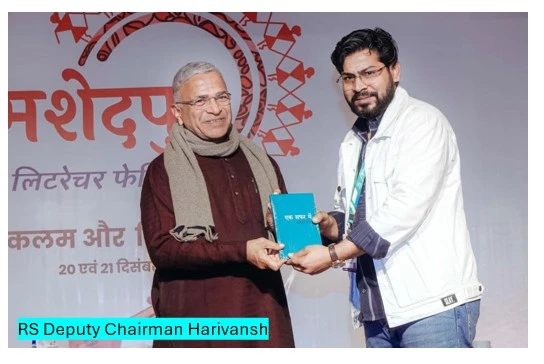
The festival was inaugurated by the Deputy Chairman of the Rajya Sabha, Shri Harivansh Narayan Singh. A closet writer, who is widely known as a doyen of Indian journalism, Harivansh lent gravitas to the three-day spectacle through his calm and collected demeanour. The chief guest of the event was Chhattisgarh Chief Minister Vishnu Deo Sai, whose government has been promoting this festival as the core of its silver jubilee celebrations.
A bridge from the primordial to the eternal
The theme of this year’s festival, “Aadi se Anaadi Tak” (From the Primordial to the Eternal), is more than a catchy slogan. It represents the essence of Chhattisgarh – a land of ancient tribal traditions living in harmony with the phenomenal pace of modern progress.
In his speech, Harivansh waxed eloquent about the literary role in a digital age. He said technology gives us “information” and literature provides “insight.” He added that Raipur is well equipped to host this dialogue due to its oral heritage and ’character of a melting pot in the form of a floatsam & jetsam (confluence) of various philosophical schools’.
“Literature is a society’s conscience,” Harivansh said. “This festival is carrying out the crucial task of stitching our national fabric by bringing together the rustic wisdom of Bastar and the urban complexities of modern-day India.
Makaravilakku Festival celebrations begin at Sabarimala in Kerala
The Festival Landscape: Four Pavilions Of Thought
The organisers have done a wise job taking advantage of the picturesque Purkhouti Muktangan, installing four separate halls, each named after a Titan in Chhattisgarhi as well Indian literature:
- Vinod Kumar Shukla Pavilion (The Main Stage): Named after state’s only Jnanpith Award winner, this is the nerve centre of the festival where plenary sessions and high-profile keynote addresses will be held.
- Shyamlal Chaturvedi Pavilion: Named after Padma Shri and the leading figure of Chhattisgarhi literature, showcases regional dialects and folk wisdom.
- Lala Jagdalpuri Pavilion: Consecrated in the memory of the historian of Bastar’s history, this pavilion showcases tribal tales and ecology of storytelling.
- Aniruddh Neerav Pavilion: For intimate Baithaks that are cozy gatherings centered on contemporary poetry and problems of the digital age.
High-Octane Sessions and Star-Studded Panels
Featuring more than 42 sessions and 120 speakers from around the nation, the program makes a bibliophile’s dream come true. The first day had charged up an atmosphere, which got a big cacophony during the session called “Cinema and Society” that included prominent film director Anurag Basu and iconic Nitish Bharadwaj (of Lord Krishna fame). The two spoke about how in modern storytelling, “mythological roots” of a character or story are often lost on the Indian audience.
Another highlight of the day was the special performance of play ‘Chanakya’ by celebrity actor Manoj Joshi. A festive crowd beneath the starlit Raipur sky made the performance an astounding success, marrying historical political philosophy with contemporary relevance.
Key points to watch over the next few days are:
- The Atal Bihari Vajpayee Memorial Poetry Session: An evening that proved to be a mesmerising tribute to the poet Prime Minister.
- The Digital Narrative: A panel that explores the impact of AI and social media on how we consume and create books.
- Youth Talent Zone: An “Open Mic” opportunity for school aged children and local youth to present original poems or short story.
More Than Books: A Cultural Trip
The Raipur Literature Festival is not just about hearing; it’s about experiencing. The National Book Fair, which has commenced at the venue, comprises stalls put up by well-known publishers like Rajkamal Prakashan, Prabhat Prakashan and Rajpal & Sons. Covering rare Sanskrit texts to the newest thrillers, the fair has become a magnet for students and researchers in the city.
For those seeking relief from high-minded conversations, the food zone provides a sample of the state’s culinary legacy. With a swirls of mist we see the Chila, Fare and Bhakshya getting relished by tourists who taste Chtissgarhi cuisines thus their journey culminating with authentic local flavours.
Logistics and Accessibility
Acknowledging the increasing popularity of the festival, Raipur’s city administration has made every effort to make it accessible. A total of 20 free shuttle buses are plying on six major routes (like Railway Station, Telibandha and Tatibandh) to enable even those without a personal vehicle to be part of the revelry.
More than 500 staff have been deployed to ensure security and visitor services run smoothly for the tens of thousands of people anticipated over the weekend.
A Vision for the Future
This festival is a symbol of Chhattisgarh’s “intellectual reawakening”, as mentioned by the Chief Minister Vishnu Deo Sai at the unveiling ceremony of its logo. Within less than a decade, Raipur is no more an industrial town, it’s emerging as a cultural city.
The Raipur Literature Festival is demonstrating that the written and spoken word can still move mountains in the very heart of India. The red earth of the Sangam speaks to us and reminds us to pass this harikatha (divine story) on for generations.” A Yatra that links our past with our future, an indefatigable Red Earth upon which rest the stories of its makers decorates 781.2 million square kilometres.
